


NEED HELP?
GET ANSWERS
FROM AI
THE WORD THIS WEEK "AI "Catholic Assistant" Chat Bot has been specifically trained for this website
🔵 STEP ONE

CLICK ON THE BLUE ICON at the bottom right corner of screen
🔵 STEP TWO
TYPE YOUR QUESTION that is related to the content on the page
— OR —
COPY AND PASTE any text on the page to generate a more in-depth look of the topic
🔵 STEP THREE
ASK FOLLOW-UP QUESTIONS if necessary
FOR BEST RESULTS:
Refresh chatbot when switching to a different Sunday of year.
Questions asked to and answered by the AI Chat from this Sunday's HOMILIES Page....
What is the significance of purple during Advent?
Purple, or violet, is the liturgical color used during Advent, symbolizing penitence, fasting, humility, and preparation. It reflects the season's dual focus: preparing for the celebration of Christ's birth and anticipating His Second Coming. The color is associated with the themes of repentance and spiritual readiness, inviting the faithful to reflect on their lives and make room for Christ. On Gaudete Sunday, the third Sunday of Advent, rose may be used instead, symbolizing a joyful anticipation of Christmas.
Here is how AI answered one of the questions posed in DISCUSSION GUIDE generated for Deacon Peter McCulloch's homily.
In what ways do your daily routines prevent you from recognizing important spiritual moments?
Daily routines can often become so ingrained that they distract us from recognizing important spiritual moments. We might become preoccupied with tasks, schedules, and responsibilities, leaving little room for reflection or prayer. This busyness can dull our awareness of God's presence and the subtle ways He communicates with us. To counter this, it's essential to intentionally carve out time for prayer, meditation, and reflection, allowing us to be more attuned to spiritual insights and the presence of God in our everyday lives.
Here is how AI answered one of the questions posed in DISCUSSION GUIDE generated for the Dominican Blackfriars homily posted to TORCH website.
Reflect on the image of a branch growing from a fallen tree. How does this symbolize hope and restoration in your life?
The image of a branch growing from a fallen tree beautifully symbolizes hope and restoration. It reminds us that even in the face of loss or failure, new life and opportunities can emerge. Spiritually, it reflects the Christian belief in resurrection and renewal through Christ. In our lives, this image encourages us to trust in God's grace, which can transform our struggles into growth. It reassures us that, with faith, we can overcome adversity and find new beginnings, rooted in God's love and strength.
Here is a follow up question:
What other modern day metaphors could a preacher use to make the point made in Jer 33:14-16?
In Jeremiah 33:14-16, the promise of a righteous branch from David symbolizes hope and renewal. Modern metaphors could include:
- Phoenix Rising: Like the mythical bird reborn from ashes, it signifies renewal after destruction.
- Spring After Winter: Just as spring brings life after the barren winter, it represents hope and new beginnings.
- Renovated Building: Transforming an old structure into something new and vibrant, symbolizing restoration.
- Healing Wounds: The process of healing, showing that recovery and strength can follow pain.
These metaphors can help convey the message of hope and divine promise.

ASK YOUR OWN QUESTIONS BY CLICKING ON THE AI CHAT ICON AT THE BOTTOM RIGHT CORNER OF THIS PAGE
NEW!
Youth Versions
Discussion Guides
Social Media Ideas
Deacon Peter
Dominican BlackFriars
Fr. Charles E. Irvin
Fr. Joe Jagodensky, SDS
Fr. George Smiga
Msgr. Charles Pope
Fr. Vincent Hawkswell
Fr. John Kavanaugh, SJ
Fr. Bob Warren, SA
FEATURED HOMILY
Check out this week’s homily written by THE WORD THIS WEEK’S artificial intelligent Catholic Assistant

SOURCE: The Jesuit Post

2021 HOMILY – Advent is here! The readings for the beginning of Advent focus on the end times, which can be concerning, but Doug Jones, SJ, reflects on the joy of waiting for the Lord.
Advent Themes
The Gospel emphasizes that the Son of Man’s return in glory will bring justice to the world, but should be viewed as a cause for rejoicing rather than fear for those who have prepared themselves.
Biblical Connections
The first reading highlights how the Lord’s coming will fulfill God’s promise, restoring broken relationships and healing divisions caused by sin.
Practical Application
Doug Jones, SJ encourages using Advent to prepare ourselves by drawing closer to God and others, focusing on the joy of waiting rather than concerns about end times.

SOURCE: Archdiocese of Brisbane Homilies
2021 HOMILY – Two-Minute Homily by Fr Francis Fernandes for the First Sunday of Advent 2021. “My brothers and sisters, as we begin to share gifts, let us not miss the gift which Advent gives.”
Spiritual Preparation
Advent cultivates a spirituality of waiting, emphasizing watchfulness, wakefulness, prayer, and resilience to prepare for Christ’s return.
Jesus advises to “watch yourselves”, “stay awake”, and “pray at all times” to develop resilience and confidence for standing before Christ.
Remedies for Modern Life
Advent’s focus on waiting and watchfulness counteracts hearts coarsened by debauchery, drunkenness, and life’s distractions.
The gift of waiting in Advent is crucial for spiritual life, fostering a sense of larger priority and readiness for something already approaching.

SOURCE: Fr. Peter Hahn Archive of Homilies
2018 HOMILY – The Advent season invites us to reflect on the anticipation of Christ’s birth and His second coming, encouraging us to embrace hope, love, and patience while preparing for the joy of eternal life.
- 00:00 Waiting encompasses a range of emotions and experiences, from joyful anticipation to anxiety, as we enter the Advent season, reflecting on humanity’s long wait for the promised Messiah.
- 01:39 Advent invites us to reflect on both the anticipation of Christ’s birth and the hope of His second coming, emphasizing God’s mercy through the Gospel of Saint Luke.
- 02:36 Luke’s Gospel highlights God’s compassion for the marginalized, contrasting with the stark warnings of Christ’s return in this Sunday’s message.
- 03:35 Nations will face fear and turmoil, but we are called to stand firm in hope and prepare for the coming of the Son of Man, who brings redemption.
- 04:36 God promises an eternal life filled with indescribable joy, love, and peace for those who love Him.
- 04:54 Waiting for heaven brings greater joy than any earthly treasure, as it reflects God’s infinite love beyond our imagination.
- 05:55 Embrace the Advent season by enhancing your daily spiritual routine through prayer and mindfulness.
- 06:36 Embrace patient waiting during Advent by nurturing hope, love, and vigilance in daily life as we anticipate eternal joy.

SOURCE: Fr. Jude Thaddeus Langeh Basenbang
2018 Homily – First Sunday of Advent Year C
I. Significance of Advent
- Time of waiting, longing, and conversion
- Reflection on God’s love and humanity through the incarnation
- Focus on biblical figures who paved the way for the incarnation
II. Clarifying Misunderstandings about the End-Time Messages
- Gospel of Luke’s inspiration from Mark’s apocalyptic writings
- Fall of Jerusalem and its impact on beliefs about the second coming
- Warning against earthly indulgence and laxity
III. Staying Watchful in Anticipation of the Second Coming
- Jesus’ intention to promote watchfulness, not fear
- Avoiding sinful indulgence and remaining in a state of grace
- Emphasizing the importance of prayer and spiritual strength
IV. Advent as a Time of Grace and Preparation
- Utilizing Advent to deepen relationship with God
- Preparing for the meeting with God at the end of life
- Making progress in living the life God wants for us

SOURCE: Fr. Kevin’s Homilies
2021 HOMILY – The art of waiting, exemplified by the patience of ants, enriches our lives by fostering deeper connections and meaningful experiences in a fast-paced world.
- 00:00 Observing ants building their colony reveals their remarkable patience and intricate civilization.
- 00:53 Infinite patience is exemplified by ants as they meticulously build their labyrinth and restore order after disruption.
- 02:06 Waiting has become a lost art in our fast-paced world, where instant communication overshadows the meaningful connections formed during moments of patience.
- 02:59 Waiting, much like the resilience of ants, is a magical and essential part of life that teaches us patience and hope.
- 04:07 Waiting transforms our experiences, making the anticipation of travel more fulfilling than the journey itself.
- 05:27 Embracing the journey of gradually building a home creates lasting memories and deeper connections to each cherished item.
- 06:22 Waiting creates a magical anticipation that enriches life’s significant moments, from the nine months before a child’s arrival to the engagement period before marriage.
- 07:14 Embracing the magic of waiting enhances our lives, as the anticipation of events like Christmas brings purpose and joy.
Bishop Robert Barron


SOURCE: Word on Fire
2024 SERMON – Friends, we come to the First Sunday of Advent, which is the commencement of the new liturgical year. “Adventus” in Latin means arrival or coming, and one way to look at Advent is to see three comings of Christ. There is the coming of Christ in history in Bethlehem, the coming of Christ now as he approaches our hearts, and the coming of Christ someday in the future. All three of these dimensions belong to our Advent preparation.

SOURCE: Word on Fire
2021 SERMON – Advent serves as a time to reflect on the three comings of Christ—His historical birth, His current presence in the Church, and His future return—while emphasizing the importance of love, community, and service to others in preparation for His second coming.
- 00:00 Advent marks the three comings of Christ: His historical birth, His current presence, and His future return, emphasizing God's promise of a just leader from David's lineage.
- 01:06 Jesus is the predicted Messiah and fulcrum of history, marking the transition from B.C. to A.D., with Christians viewing history as centered on Him rather than merely modern advancements.
- Jesus is the only religious founder whose coming was clearly predicted in the Old Testament, which is filled with anticipations of the Messiah.
- Jesus is the fulfillment of Israel's institutions, the definitive temple, the incarnate law, and the complete expression of the covenant.
- Jesus, who came 2000 years ago, is the fulcrum of history and the basis by which we measure time.
- The discussion revolves around the transition from B.C. (Before Christ) to A.D. (Anno Domini) in the context of historical dating.
- History does not culminate in the 18th century as a turning point towards modernity, but rather, Christians recognize that while the century brought advancements, it is not the definitive moment of historical significance.
- 03:19 Reflecting on Christ's first coming during Advent highlights its pivotal role in history and invites us to consider His ongoing presence in the Church.
- The fulcrum of history is not defined by negative aspects but by significant moments we reflect upon.
- Reflecting on the first coming of Christ during Advent emphasizes its central significance in history.
- Advent invites reflection on the unexpected coming of Christ, both historically and in the present life of the Church.
- 04:43 Paul calls for increased love and openness to Christ's presence in our hearts and the Church, especially during Advent, highlighting the importance of community, sacraments, and caring for others.
- Paul emphasizes the importance of increasing love for one another and living to please God in anticipation of Christ's coming into the hearts and lives of believers.
- Christ's spirit is actively seeking to dwell in our hearts, especially during Advent, inviting us to open the door to Him.
- The message emphasizes the importance of growing in love for one another as a reflection of Christ's presence in our hearts and the Church.
- One cannot truly know a person without understanding their physical presence and the way they communicate.
- Christ is intimately connected to his mystical body, the Church, which serves as the essential vehicle for his presence and the sacraments, particularly the Eucharist.
- The sermon emphasizes the significance of saints, church architecture, effective preaching, and caring for the poor in the Christian life.
- 07:18 Serving the poor is serving Christ, and during Advent, we reflect on our relationship with God, Christ's past and present, and the meaningful progression of history towards His return.
- Serving the poor is serving Christ, as the Church embodies His mystical body and responds to the cries of the suffering.
- During Advent, we reflect on the significance of our choices, emphasizing that the most crucial decision is our relationship with God.
- During Advent, we reflect on Christ's past coming, recognize His presence in our lives now, and anticipate His definitive return at the end of time, understanding that history has a meaningful trajectory for Christians.
- Life is not merely a repetitive cycle but involves meaningful progression and change.
- 09:15 History is progressing towards Christ's second coming, urging awareness of signs and the ongoing struggle between sin and redemption.
- History has a trajectory and is moving towards a specific destination.
- History is moving toward its culmination in Christ's second coming, where all things will be drawn to Him.
- Jesus tells his disciples to be aware of the signs in the sun.
- Signs in the sun, moon, and stars will cause fear among nations as they anticipate the coming of the Son of Man in glory.
- The discussion centers on the disintegration of both political and cosmic structures that govern human life.
- The church exists in an in-between time, reflecting on the transformative dying and rising of Jesus while anticipating His definitive second coming, acknowledging that sin and death have been conquered but the struggle continues.
- 11:36 Look back at history, recognize ongoing struggles, and prepare spiritually for Christ's return.
- The speaker uses the metaphor of a "mop up operation" to describe the aftermath of significant historical events, like the Normandy invasion.
- Despite the Allies' progress and the belief that Hitler was finished, significant fighting remained before the war's conclusion.
- The church exists in the space between Christ's first coming and his future return, encouraging believers to welcome him into their hearts and actively participate in the spiritual battle.
- 12:50 We reflect on the past, welcome Christ now, and anticipate His second coming during Advent amidst life's challenges.
- Our lives are filled with danger, anxiety, and failure because we are still waiting for a definitive coming.
- The liturgy continually emphasizes the anticipation of Christ's second coming, reminding us to wait in joyful hope.
- In the first Sunday of Advent, we reflect on the past, make a present decision to welcome Christ into our hearts, and look forward to the ultimate fulfillment of God's plan at the end of time.
Spiritual Preparation
Meditate on the three comings of Christ - historical, present, and future - to prepare for the Advent season.
Focus on Christ's historical coming during the first Sunday of Advent, reflecting on his dying and rising as the pivotal moment in history.
Open your heart to Christ's present coming through the Holy Spirit, as described in Paul's first letter to the Thessalonians.
Personal Growth
Make allowing Christ to become lord of your life your most important decision, surpassing choices about job, education, family, or country.
Join Christ's "army" by welcoming him into your heart now, to fight the good fight during this in-between time.
Recognize that the most decisive battle has been won through Christ's death and resurrection, but participate in the ongoing "mop-up operation".
Biblical Understanding
Study the Old Testament to understand the anticipations of the Messiah, seeing Jesus as the fulfillment of Israel's institutions.
View Jesus as the fulcrum of all history, using his life as the point by which we understand time.
Explore how the first reading from Jeremiah 33 on the first Sunday of Advent speaks clearly of Christ's historical coming.
Eschatological Awareness
Anticipate Christ's definitive coming at the end of time, which will bring history, earth, and our bodies to fulfillment.
Understand God's ultimate purpose to save, transfigure, and transform time, space, history, and the earth.
Participate in the church's liturgy, which constantly reminds us of Christ's second coming as we "wait in joyful hope".
Controversial Religious Claims
The decisive battle of history has already been won through Jesus' death and resurrection, with the church now engaged in a mere "mop-up operation" against sin and death.
The 18th century is not the fulcrum of history; instead, the first coming of Christ 2000 years ago is the pivotal moment that makes all the difference.
The church is not just a human organization but the "mystical body of Christ," through which Christ becomes present to his people.
Challenging Traditional Views
Advent focuses on three comings of Christ: historical (2000 years ago), present (in church life), and future (end of time), challenging traditional single-coming beliefs.
The suffering poor have special access to Christ, who is knocking at the door of their hearts, potentially implying a privileged spiritual position.
The second coming of Christ is happening now in the life of the church, with Christ's spirit seeking to dwell in believers, rather than being a future event.
Controversial Interpretations
Paul's 1 Thessalonians describes Christ's spirit wanting to dwell in believers, knocking on the door of their hearts, potentially contradicting literal interpretations.
The church lives in an in-between time between Jesus' death and resurrection and the end of time, constantly reminded of the second coming through liturgy.
The third coming of Christ at the end of time will bring transformation of time, space, history, and the earth, challenging scientific understanding of the universe.
Provocative Spiritual Concepts
Welcoming Christ into our hearts now allows us to join his "army" and fight the good fight, potentially promoting a militaristic view of spirituality.
The liturgy constantly reminds us of the second coming of Christ, even though it hasn't occurred, potentially creating a state of perpetual anticipation.
We await the second coming in "joyful hope," despite being beset by anxieties, potentially downplaying real-world concerns.
Click banners to access AI generated content.
Deacon Peter McCulloch
The ABC of Advent
Homily Excerpt
Jer. 33:14-16; 1 Thes 3:12—4.2; Lk. 21:25-28, 34-36
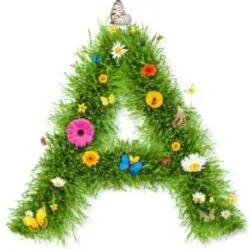
Today we begin a brand-new liturgical Year C, the Year of the Gospel of Luke, and once again it starts with Advent. Let’s now explore what the season of Advent is all about, using the letters A to L of the alphabet. (Next week we’ll cover M to Z).
A is for Advent
B is for the Blessed Virgin Mary
C is for the Candles…
L is for Love.
The following adaptation of Deacon McCulloch's homily, generated by our Catholic Assistant AI bot, is provided to help preachers share key insights from the homily with children and teens.

Adult to Youth Sermon
Today we’re kicking off something exciting – the start of a new church year. This year, we’ll be diving into the Gospel of Luke, and it all starts with a special season called Advent. We're going to break down the alphabet to understand Advent better, starting with letters A to L.
A is for Advent - This season marks the beginning of each church year, and it means ‘coming.’ For about four weeks before Christmas, we get ready and think about Jesus showing up in three big ways: He came as a baby in Bethlehem, he’ll come again at the end of time, and he’s here with us in our everyday lives.
B is for Blessed Virgin Mary - Mary is super important during Advent. She was just a regular girl who bravely said "yes" to become Jesus’ mom. During this time, we’re invited to bring Jesus into our own world, just like Mary did.
C is for Candles - On the Advent wreath, we have five candles that remind us of Jesus’ light. Each week, we light one: the first purple candle is for hope, the second purple is for peace, the third pink candle is for joy, and the fourth purple one stands for love. The white candle, lit on Christmas Day, represents Jesus.
D is for Decision and Determination - We all have to decide to find and follow Jesus, and it takes determination to keep at it faithfully.
E is for Expectation - Advent is a time when we’re excitedly waiting for Jesus. We should prepare our hearts like people did long ago, waiting for the Messiah.
F is for Faith - Advent is a great time to build our faith. St. Therese of Lisieux tells us faith can be simple yet deep. She suggests we show love even in small ways and always trust God’s kindness.
G is for St. Gregory the Great - He was a big deal in the early Church. He helped us realize how important seasons like Advent are, reminding us to pray and prepare in a meaningful way.
H is for Hope - Advent is filled with hope, as we wait for Jesus. St. Augustine taught that hope helps us trust God, especially when times are tough.
I is for Incarnation - This big word means God became one of us in Jesus, and that’s what Christmas celebrates. St. Athanasius talked a lot about how this is key to our faith.
J is for Jesus - He’s the main reason we have Advent. Jesus is everything to us, even if we don’t always realize it. J is also for Joy, which Jesus brings. On the third Sunday of Advent, called Gaudete Sunday, we celebrate this happiness. St. Francis of Assisi felt this joy and loved spreading God’s love.
K is for Kindness - Kindness shows Jesus’ love. St. Vincent de Paul spent his life being kind to those in need. As we get ready for Christmas, let’s try to be kind too.
L is for Love - Love is what Advent is all about. God loves us so much that He sent Jesus to be with us. That’s why Jesus is coming back. During Advent, let’s think about whether we’re kind and loving. Are we ready for Jesus’ arrival? It's through love that we truly welcome Him.
So, how will we live out this Advent season, being more loving and ready for Jesus?
DISCLAIMER: Adaptations (like translations), may not fully capture the nuances or precise meanings of the original text. It's essential to read the original homily which can be accessed by clicking on the title above.
This discussion guide has been generated by the WORD THIS WEEK'S Catholic AI Assistant based on Deacon McCulloch's homily. NEED HELP? Copy and paste a question into the chat bot in the lower right corner of the screen and have our Catholic Assistant help you.
Key Sections:
1. Advent’s Meaning and Duration:
- What does the word “Advent” mean, and what does its duration signify for Christians?
- How do the threefold comings of Christ impact our preparation and reflection?
2. Role of the Blessed Virgin Mary (B):
- Why is Mary central to Advent, and what can we learn from her example?
- How can we help 'bring Jesus into the world' in our daily lives?
3. Significance of Advent Candles (C):
- What do each of the Advent candles represent?
- How can lighting these candles enhance our spiritual preparation?
4. Decision and Determination (D):
- What decision must we make during Advent regarding our faith journey?
- How can determination influence our spiritual practices?
5. Expectation and Eternity (E):
- How does the concept of expectation shape Advent?
- What does thinking about eternity add to our Advent experience?
6. Strengthening Faith (F):
- How can Advent strengthen our faith through prayer and community?
- Reflect on St. Therese of Lisieux’s ‘Little Way’ in your own life.
7. Teachings of St. Gregory the Great (G):
- How do St. Gregory’s teachings on liturgical seasons apply to Advent today?
- Discuss ways to engage deeply with Advent practices.
8. Central Theme of Hope (H):
- Why is hope essential to Advent?
- How can we cultivate hope in times of uncertainty?
9. Mystery of the Incarnation (I):
- What is the significance of the Incarnation for Advent and Christmas?
- Discuss St. Athanasius’ teachings on the Incarnation.
10. Focus on Jesus and Joy (J):
- Why is Jesus considered the heart of Advent?
- How can we experience and share the joy discussed by St. Francis of Assisi?
11. Emphasis on Kindness (K):
- Reflect on the importance of kindness as modeled by St. Vincent de Paul.
- How can acts of kindness prepare us for the Christmas season?
12. Centrality of Love (L):
- How does love encapsulate the essence of Advent?
- Are you living a life of love that prepares you for the coming of Jesus?
Reflection and Application:
- Reflect individually on areas where you may need growth during Advent.
- Share personal insights or actions you are inspired to take in preparation for Christmas.
- Discuss how love, hope, and joy can be more present in your community during this season.
The following social media post ideas have been generated by the WORD THIS WEEK'S Catholic AI Assistant based on Deacon McCulloch's homily.

Social Media Post #1
"Advent is a time of preparing, anticipating and reflecting on the threefold coming of Christ."
As we begin the liturgical Year C, the Year of the Gospel of Luke, let's remember that Advent is not just about Christmas, but also the Second Coming of Christ and His presence in our daily lives.
How can you invite Jesus into your daily life during this Advent season?
Social Media Post #2
"In Advent, we too are invited to help bring Jesus into the world."
Just as the Blessed Virgin Mary courageously accepted her role in the birth of Jesus, we too are called to play our part in bringing the light of Christ into the world.
What are some ways you can help bring Jesus into the lives of others this Advent?
Social Media Post #3
"The candles in our Advent wreath symbolise the light of Christ."
Each candle in the Advent wreath holds a unique significance, reflecting hope, peace, joy, love, and the coming of Jesus.
Which of these qualities resonate with you the most this Advent season?
Social Media Post #4
"Advent is a time of joyful expectation." - St. Bernard of Clairvaux
In the midst of our preparations, we can find joy in the anticipation of Christ's coming and the celebration of His birth at Christmas.
How can you cultivate a spirit of joy and anticipation during this Advent season?
Social Media Post #5
"Advent is a good time to strengthen our faith through prayer, reflection, and community."
Inspired by St. Therese of Lisieux, let's focus on building our faith through small acts of love and trust in God's mercy.
What small acts of faith can you commit to this Advent season to deepen your relationship with God?
Click banners to access AI generated content.
An Often-Neglected Gift
Homily Excerpt
1st Sunday of Advent C

Jer 33:14-16; 1 Thes 3:12-4:2; Lk 21:25-28, 34-36
Every year, in the weeks before Christmas, most of us spend time thinking about gifts – gifts for the people we love and care for.
Every year, however, there’s one gift that too many of us neglect in the run-up to Christmas. It’s the Season of Advent. It only lasts for four Sundays, it starts today, and it really is a gift to each of us from Jesus and his Church.
Advent is a remarkable gift. It marks the beginning of a brand-new liturgical year, and the start of a fresh new journey as we set out once again to follow in the footsteps of Jesus Christ.
The following adaptation of Deacon McCulloch's homily, generated by our Catholic Assistant AI bot, is provided to help preachers share key insights from the homily with children and teens.
We’re in that time of year when we start thinking a lot about gifts, right? Like, what are we gonna get for our family and friends for Christmas?
But you know what? There's one super important gift that many of us like totally forget about during this time. It's Advent. Advent is like this special countdown to Christmas that starts today and lasts for four Sundays. It’s a pretty awesome gift from Jesus and the Church to all of us.
Advent is kind of like hitting the reset button. It's the start of a fresh new year in the Church, and it's a chance to kick off a whole new adventure with Jesus. Over the next year, we’ll walk through all the highlights of Jesus' life—his birth, all the cool things he did, his big moments like dying and coming back to life, and even when he went up to heaven. We'll hear what he had to say and get some real-deal advice just for us.
Starting something new can be amazing, but to really get the best out of it, we gotta be open, ready to hear new stories, and maybe change up how we do things.
There was this cool philosopher, Martin Buber, who said every journey has secret spots you'll find along the way but aren’t expecting. It’s like those “oh wow” moments, but we gotta be ready to change our view and try new stuff to find them.
Have you ever heard about the woman named Bilfina? There’s this old story where the Three Wise Men stop by her place and invite her to come with them to see Jesus. But she’s super busy with cleaning and decorating and misses the opportunity to join.
And let’s be real, we’re all pretty busy, right? We get so caught up in our daily to-do lists that we sometimes overlook the important stuff that’s happening around us. And sometimes, when we finally see it, it’s kind of too late.
So, Advent is this awesome gift that’s just for you. Take it. Just pause for a second. Slow down. Take some time to listen, think about things, pray, and trust Jesus because he’s reaching out to you right now.
We should get ready for Christmas, sure. Stuff like decorating and planning parties! But don’t forget, we also want to be ready in our hearts and minds for when Jesus comes again—in our lives and at the end of time. Don’t be like Bilfina; let's take that journey to Jesus while we can.
So, put down your stress, and let some love in.
Forget your worries for a bit, and let in some joy and wisdom.
Accept the amazing gift of Advent.
DISCLAIMER: Adaptations (like translations), may not fully capture the nuances or precise meanings of the original text. It's essential to read the original homily which can be accessed by clicking on the title above.
This discussion guide has been generated by the WORD THIS WEEK'S Catholic AI Assistant based on Deacon McCulloch's homily. NEED HELP? Copy and paste a question into the chat bot in the lower right corner of the screen and have our Catholic Assistant help you.
Discussion Questions:
1. Reflect on the notion of Advent as a 'gift.' How do you perceive this gift in contrast to the material gifts we usually focus on before Christmas?
- Consider how Advent can be a personal gift to you this year.
- What are some ways you can consciously appreciate this period?
2. The sermon describes Advent as the start of a new liturgical year and a fresh journey to follow in Jesus’ footsteps. How can individuals prepare to embark on this spiritual journey?
- Discuss practical steps for setting intentions for this journey.
- What routines or habits might you consider changing to better engage with this journey?
3. The story of Martin Buber’s perspective on journeys having 'secret destinations' is shared. How can this idea influence your spiritual practices during Advent?
- What old ways might you need to let go of to discover new paths?
- Can you recall a time when letting go resulted in encountering something unexpected and enriching?
4. The story of Bilfina serves as a cautionary tale about routine distractions. In what ways do your daily routines prevent you from recognizing important spiritual moments?
- Are there specific activities that distract you from spiritual reflection?
- How might you rearrange your priorities to make room for these moments?
5. The sermon calls for preparation of hearts, homes, and souls for Christ’s coming. What does this preparation look like for you personally?
- How do you balance preparation for Christmas with preparation for Jesus’ second coming?
- Share experiences where spiritual preparation has impacted your life positively.
6. Explore the themes of slowing down, listening, and trusting in Jesus as presented in the sermon. How do these themes resonate with your current life situation?
- Discuss the importance of slowing down in today’s fast-paced world.
- How can you incorporate listening and trusting into your Advent practice?
Application:
1. Set aside specific times in your week to slow down, reflect, and engage in spiritual practices like prayer or meditation.
2. Identify one distraction in your life that you will intentionally minimize or eliminate during Advent to allow more focus on this spiritual season.
3. Craft a personal prayer or meditation that reflects your desire to embrace the full gift of Advent. Share it with the group if comfortable.
4. As a group, create a plan for community service or outreach as a way to express the themes of love and joy discussed in the sermon.
Closing Reflection:
In light of the sermon, consider writing a personal commitment or intention for this Advent season. Reflect on how you can carry this commitment into the coming year, as you engage in the journey of following Jesus’ story. Share your reflections with the group for encouragement and support.
The following social media post ideas have been generated by the WORD THIS WEEK'S Catholic AI Assistant based on Deacon McCulloch's homily.
Social Media Post #1
""Every year... there’s one gift that too many of us neglect... It’s the Season of Advent."
Advent is a precious gift from Jesus and the Church, a time to deepen our connection with Christ. How can you embrace this season of preparation?
#AdventGift #PreparingForJesus #EmbraceTheSeason
Social Media Post #2
"Starting a new journey can be a wonderful thing, but to gain the most benefit we must fully engage our hearts and minds..."
Advent marks a new beginning as we journey with Jesus. Let's open our hearts and minds to his story, teachings, and messages. What new perspectives will you gain on this journey?
#AdventJourney #NewBeginnings #FollowingChrist
Social Media Post #3
"All journeys have secret destinations of which the traveller is unaware." - Martin Buber
As we embark on the Advent journey, let's embrace the unknown and trust in Jesus' guidance. What surprises might await you on your spiritual path?
#AdventMysteries #TrustInJesus #SpiritualJourney
Social Media Post #4
"Some of us are so busy... we often miss the important things when they come our way."
Don't let the hustle and bustle of daily life make you miss the gift of Advent. Slow down, reflect, and connect with Jesus. How can you prioritize your spiritual growth this season?
#AdventReflections #SlowDown #SpiritualGrowth
Social Media Post #5
"Put off your toiling, and accept the wonderful gift of Advent."
This Advent, let's welcome love, joy, and wisdom into our hearts. How will you create space for these blessings as you prepare for Christmas?
#AdventBlessings #LoveJoyWisdom #PreparingForChristmas
Click banners to access AI generated content.
Fr. Andrew Ricci

1st Sunday of Advent C
The exhortation in the First Letter of St. Paul to the Thessalonians inspires us to cultivate hearts that are full of God’s love. What a great way to enter into the season of Advent!
A.I. Homily

A homily written by our Catholic Assistant based on this Sunday’s readings.
Content of this A.I. generated homily has been throughly reviewed and edited for
accuracy and faithfulness to the Sunday readings and Catholic teaching. _

There is no reason to be afraid, for all the signs that Jesus shares ultimately point to Him. We must prepare ourselves for these events by deepening our faith and relationship with Christ, standing firm in our convictions as the world around us falters.
Homily Summary
1st Sunday of Advent C
This homily draws a parallel between the preparedness of doomsday preppers for catastrophic events and the importance of spiritual readiness for Christians in anticipation of the end times. Jesus’ teachings emphasize the need to remain steadfast and composed in the face of chaos while cultivating a deep relationship with Christ. By prioritizing personal transformation and living out our faith daily, we can find security in the promise of an eternal dwelling in God’s kingdom. Prayer serves as a vital tool in maintaining spiritual well-being and offers assurance of God’s unwavering love and support throughout life’s unpredictable circumstances.
Fr. Austin Fleming

Christmas Wish List for God
Homily Excerpt
1st Sunday of Advent C
I love the season of Advent – just beginning today!
And I try to “keep it” as a time of preparation, doing everything I can not to celebrate Christmas before it gets here. But with the whole world “going Christmas” all around me – it’s not easy – and sometimes, I just give in!
• Haul out the holly! Put up the tree before my – spirits fall again!
Fill up the stockings, I may be rushing things but – deck the halls again now: For we need a little Christmas, right this very minute, candles in the window, carols at the spinet. Yes, we need a little Christmas, right this very minute, we need a little Christmas, now!
Dominican Blackfriars


Awake to Grace
Homily Excerpt
1st Sunday of Advent C
Fr John O’Connor shows how the virtues enable us to be alert to God and to one another.

Terence Malick’s celebrated film The Tree of Life tells the story of the O’Brien family in Waco, Texas. The father, played by Brad Pitt, is a disappointed man who also symbolises the perspective of nature: he assesses his life within the terms of ‘the world’, finds it wanting, and lives in a perpetual state of resentment and disappointment. The mother symbolises the order of grace: she sees beauty in things (soap bubbles, a sunset, the wind shaking the leaves) and allows love to touch even her pain.
Then there is the voiceover in the film that helps explain the meaning the film wishes to express:
‘Grace doesn’t try to please itself. Accepts being slighted, forgotten, disliked. Accepts insults and injuries. Nature only wants to please itself. Gets others to please it too. Likes to lord it over them. To have its own way. It finds reasons to be unhappy when all the world is shining around it, and love is smiling through all things.’
The following adaptation of the Dominican Blackfiars' homily for this week, generated by our Catholic Assistant AI bot, is provided to help preachers share key insights from the homily with children and teens.
Hey everyone! Today, I want to talk about something pretty cool and relatable. We're going to dive into some ideas from a film called “The Tree of Life.” It tells the story of the O’Brien family living in Waco, Texas. It's got Brad Pitt playing a dad who's always a bit grumpy because he sees life from a ‘nature’ perspective. He tries to measure everything by the world's success and ends up feeling let down. Meanwhile, the mom sees life a bit differently. She notices the beauty in everyday things like soap bubbles or the wind shaking the leaves. She represents ‘grace,’ seeing the good even in tough times.
In “The Tree of Life,” there's a voiceover to help us get the message:
“Grace doesn’t try to please itself. It accepts being ignored and insulted. Nature is all about pleasing itself. It tends to focus on its own wants, sometimes missing the beauty around it.”
So, what does this mean for us? Sometimes life can make you feel like you have to choose between focusing on worldly things and finding beauty in everyday life. But instead of seeing them as opposites, think of them as something that can work together.
Let's bring in some wisdom from the Bible. There's a part where Jesus says, "Be careful, don't let yourselves become too weighed down by life's worries or forget what's important." Basically, stay alert and grounded so you can be ready for life's surprises. When we stay ‘awake,’ we can spot the good stuff without being bogged down by worries.
But, being ‘awake’ isn’t just about being alert all the time like a guard on night duty. It's more about living in a way that keeps us focused on what really matters. You know, sometimes people think that having good qualities or ‘virtues’ is just for super-moral people, but that's not true. They are for everyone and help us enjoy life fully.
Let’s talk about some qualities like being balanced, fair, and generous. A balanced person knows how to enjoy fun times but also when to say ‘no’ when necessary. Being fair helps you treat everyone, including yourself, with respect. And generosity? It's about knowing when to share and when it's okay not to. True generosity is about giving wisely.
There are also qualities like faith, hope, and love that connect us to something bigger than ourselves, like friendship with God.
Jesus’s teachings remind us that if we get caught up only in temporary things (like stressing over small stuff), we might miss out on bigger, more meaningful experiences. When we keep our hearts open, the good things inside us can grow stronger and help us through tough times.
The point isn’t to live in constant worry about the future, but to live right now in a way that prepares us for whatever comes our way. Stay open, be real, and focus on the things that build you up as a person. So when life happens, in good times or challenging ones, you'll be ready and you'll make the most of it.
DISCLAIMER: Adaptations (like translations), may not fully capture the nuances or precise meanings of the original text. It's essential to read the original homily which can be accessed by clicking on the title above.
This discussion guide has been generated by the WORD THIS WEEK'S Catholic AI Assistant based on the Dominican Blackfiars' homily for this week. NEED HELP? Copy and paste a question into the chat bot in the lower right corner of the screen and have our Catholic Assistant help you.
Introduction to The Tree of Life
- Discuss the characters: The father represents nature, focusing on worldly aspects, while the mother embodies grace, seeing beauty in all things.
- Explore how these perspectives highlight the story's central themes of dissatisfaction versus appreciation.
Understanding Grace and Nature
- What do the terms "grace" and "nature" mean in the film's context?
- Grace accepts, loves, and finds beauty in small things.
- Nature seeks self-gratification and control, leading to resentment.
- How do these concepts relate to your own life? Can you identify times when you've behaved more like the father or the mother?
Balance Between Grace and Nature
- Consider the notion that grace perfects rather than destroys nature.
- What tensions exist between the two, and how can they sometimes pull in different directions?
- Discuss examples where you have experienced these tensions personally.
Reflection on Jesus’s Words
- Analyze Jesus’s warning against dissipation, drunkenness, and worldly cares.
- Discuss what being "awake" means in the sermon context, beyond the literal sense of alertness.
- How can we be spiritually awake in our daily lives?
Embodying Virtues
- Identify the virtues mentioned: temperateness, justice, generosity, faith, hope, and charity.
- What does it mean to be a person characterized by these virtues?
- How do virtues allow us to lead fulfilling and meaningful lives?
Practical Application of Virtues
- Temperance: How does self-discipline enhance enjoyment?
- Justice: What does it mean to give yourself and others their due?
- Generosity: When is giving appropriate, and how does it reflect true generosity?
Theological Virtues and Friendship with God
- Explore the theological virtues of faith, hope, and charity.
- How do these virtues help us direct our lives toward God?
- What role does prayer play in connecting nature and grace?
Concluding Thoughts
- Reflect on the kind of person you want to become.
- How can you integrate grace and virtue into your everyday life?
- Discuss ways to remain open to the grace of God, allowing it to perfect your nature.
Click banners to access AI generated content.
Hold Your Heads High
Homily Excerpt
1st Sunday of Advent C
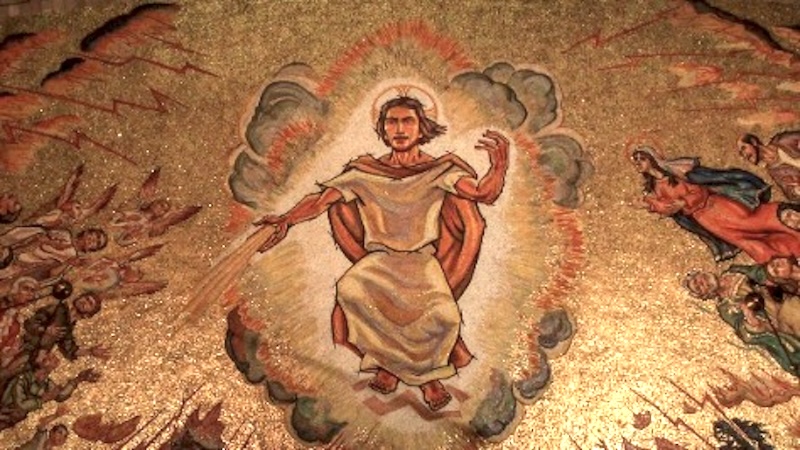
Fr Gregory Murphy preaches on the merciful judgement to come.
As the excerpt from 1st Thessalonians assures us, we are already a holy people, but we need to strive to be confirmed by God in holiness, in loving God by loving one another. So we need to be wary that the main project of our lives, growing in holiness, does not become obscured by other concerns and anxieties.
There are doubtless some who choose to obliviate care and anxiety by blotting it out through addictions and debauchery, though hopefully these are a minority. Most of us however do find ourselves threatened by the cares of this life – looking after ourselves and our families, work problems, concern about the affairs of government – all of this can make us numb to the coming of the Kingdom in the second advent of Jesus. Luke, in his misquoting Daniel – the Son of Man coming on a cloud rather than ‘clouds’ explicitly links the second coming of Jesus to his Ascension in his humanity to the Father – emphasises that where the Lord has gone we too hope to come. We should not allow ourselves, therefore, to become too oppressed by present anxieties. Rather, we should stand erect, with heads high and go confidently before the Son of Man, for our liberation from all cares, our healing and our redemption is at hand.
The following adaptation of the Dominican Blackfiars' homily for this week, generated by our Catholic Assistant AI bot, is provided to help preachers share key insights from the homily with children and teens.
As we wrap up this church year, our thoughts turn to some big stuff: Judgment, Death, Heaven, and Hell. Sound intense? It’s actually not as heavy as it seems. Let's break it down:
1. Death: Yep, everyone goes through it, but it’s like stepping into a better place with God.
2. Heaven: John’s first letter tells us we're already part of God's family. One day, we’ll totally connect with God in a way we can't even imagine now.
3. Hell: Sure, we have the freedom to turn away from God, but there's this awesome tradition in the church saying God's mercy will always reach out to us.
Now onto Judgment, which is what Advent points us to. It's kind of like getting ready for a visit from Jesus with open arms. It's a time when everything we are becomes crystal clear, but it’s also when God gives love and healing freely. It’s not just “whoops, did you mess up?” It's more like God says, “Hey, I see you.” God helps us embrace ourselves and others.
Our world might seem chaotic right now with climate stuff and all, but remember, God always brings new chances to grow and heal. Jeremiah talks about times when things get better from the rough patches – like a new tree growing out of what seemed old and gone. No matter how far off track we get, God’s love lights a path back.
So, what's the deal with holiness? We’re already considered holy but are called to love more – love each other, and that amps up loving God. Sometimes life’s stresses make us forget what’s important. Worries about school, jobs, or even world happenings can blur our focus.
Some people try to escape worries in unhealthy ways, but most of us just get caught up in the day-to-day hustle. That’s exactly why this Advent, the message is about standing tall and knowing that with Jesus, everything we stress about will find its resolution. Let’s stay aware of what's happening, but remember to keep our eyes on the greater picture—being with God and all that’s good.
So this Advent, let's focus on being open to change and ready to embrace the awesome things God has in store!
DISCLAIMER: Adaptations (like translations), may not fully capture the nuances or precise meanings of the original text. It's essential to read the original homily which can be accessed by clicking on the title above.
This discussion guide has been generated by the WORD THIS WEEK'S Catholic AI Assistant based on the Dominican Blackfiars' homily for this week. NEED HELP? Copy and paste a question into the chat bot in the lower right corner of the screen and have our Catholic Assistant help you.
1. Understanding Advent and the Four Last Things
- How do the themes of Judgement, Death, Heaven, and Hell resonate with you personally?
- In what ways does the concept of judgment differ from the other three?
- How might reflecting on these themes help us prepare for both the first and second advents of Christ?
2. The Day of the Lord in Prophetic Writings
- Describe the ‘day of the Lord’ as presented in the writings of Zephaniah and Amos. What emotions or reactions do these descriptions evoke?
- How does Jeremiah’s message of joy contrast with the other prophets?
- With current global issues in mind, how do these prophetic warnings and hopes connect with today's world?
3. God’s Grace and Mercy
- Discuss the interplay between God’s grace and judgment in the prophets' writings. Can judgment exist without grace?
- Reflect on the image of a branch growing from a fallen tree. How does this symbolize hope and restoration in your life?
- How does the prayer for the dead relate to our understanding of judgment and mercy?
4. Aquinas on God’s Simplicity and Judgment
- What does Aquinas mean by the "simplicity" of God and how does it relate to understanding His attributes?
- How might seeing ourselves as God sees us change our self-perception and actions?
- Discuss the notion of unconditional love as God's mercy. How can we apply this to our lives and interactions with others?
5. Striving for Holiness
- According to 1 Thessalonians, how are we called to be confirmed in holiness?
- In what ways can we prioritize growing in holiness amid life's distractions?
- How do our daily actions reflect our journey towards holiness and readiness for Jesus' second coming?
6. Overcoming Present Anxieties
- Identify ways in which modern life can numb us to the coming of the Kingdom.
- How can we maintain vigilance and hopeful anticipation for the return of Jesus amidst life's cares?
- Discuss practical ways to stand confidently before the Son of Man, ensuring our liberation and redemption.
The following social media post ideas have been generated by the WORD THIS WEEK'S Catholic AI Assistant based on the Dominican Blackfiars' homily for this week.
Social Media Post #1
"God’s grace always offers new possibilities for our healing and becoming holy."
Advent invites us to reflect on God's grace and mercy. How can you embrace these gifts as you prepare for the coming of Christ?
#AdventGrace #HealingAndHoliness #PreparingForChrist
Social Media Post #2
"The love of God... judges human sinfulness."
In Advent, we are challenged to see ourselves as God sees us. How can this awareness lead to growth and transformation in your life?
#AdventReflection #GodsLove #Transformation
Social Media Post #3
"We need to strive to be confirmed by God in holiness, in loving God by loving one another."
This Advent, focus on growing in holiness through love for God and others. How can you make love a priority in your daily life?
#AdventLove #Holiness #LoveOneAnother
Social Media Post #4
"We should stand erect, with heads high and go confidently before the Son of Man, for our liberation... is at hand."
Amidst the anxieties of life, remember the hope and liberation that comes with the second coming of Christ. How can you maintain hope and confidence during challenging times?
#AdventHope #ConfidenceInChrist #Liberation
Social Media Post #5
"God shows the path to those who stray."
As we journey through Advent, let's trust in God's guidance and mercy for ourselves and those who have strayed. How can you extend compassion and support to those in need of direction?
#AdventGuidance #MercyAndCompassion #SupportAndLove
Click banners to access AI generated content.
Fr. Charles E. Irvin
Standing Secure
Homily Excerpt
1st Sunday of Advent C

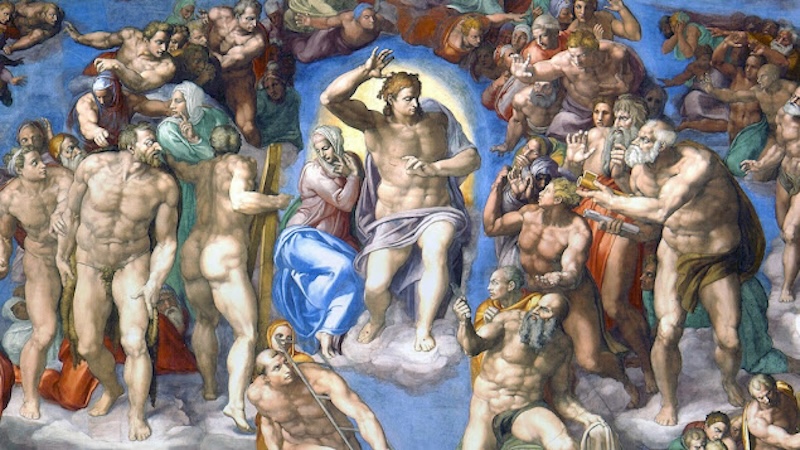
Stand secure before the Son of Man? How can we stand secure? We will be standing there before Him without our bank accounts, our 401-k retirement accounts, our statements of net worth, our alarm systems, and with no security fences surrounding us. And we will not be looking into the eyes of closed circuit television monitors. No. We will instead be looking into the eyes of the Son of God. His judgment of what we did with our lives will be upon us.
What securities will we have? What securities should we have? All you and I will have at that moment when we face the Son of God will be our memories. It is from them that we will draw up our accounts; it is in them that we will find the records of our lives.
The following adaptation of Fr. Irvin's homily, generated by our Catholic Assistant AI bot, is provided to help preachers share key insights from the homily with children and teens.
It's so easy for us to focus on material things like fancy security systems or insurance to feel safe. But deep down, we know that these things can't really protect us from everything in life, especially not from the ultimate meeting we'll all have one day.
Picture this: one day, each of us will stand face to face with Jesus. It's a big deal, and it makes you think about what really matters. We often fill our days with stuff that we think is super important right now, but in the grand scheme of things, is it?
In today's Gospel, Jesus gives us a heads-up. He says, "Be on guard so your spirit doesn't get bogged down with too much partying and life's worries. A big day will come at you by surprise like a trap." Basically, stay alert and pray for the strength to face whatever comes and to be ready to meet Jesus.
So, how do we really be ready to meet Jesus? We can't bring our bank accounts or security systems with us. When it's our time, all we'll have are our memories and the kind of life we've lived.
Here are a few things I'd love for my memories to show when I'm done here:
1. I want to have loved a lot, especially those who are hurting or feel left out. I hope my life shows more kindness than anger, and more humility than being bossy or manipulative.
2. I want people to remember me as someone who was caring, humble, and respectful in my relationships. I want to be always learning from others, not thinking I know it all.
3. I hope I've relied on God a lot, letting Him guide my life instead of trying to control everything myself. I want my memories to show that I often asked God to show me how to live and act.
4. Finally, I want to have a relationship with Jesus that just keeps going when I meet Him face to face. Imagine meeting Jesus and realizing you've been friends all along!
As we move into the season of Thanksgiving and Christmas, it's a great time to think about how we're living our lives and connecting with others. When we finally meet Jesus, will we feel scared, or will it be like meeting an old friend? The answer depends on how we've lived and loved.
So, let's ask ourselves: What are we really focusing on? This season, God is inviting us to see what He offers us—hope, love, and so much more. Let's open our hearts to this journey and discover what really matters as we prepare to meet Him.
DISCLAIMER: Adaptations (like translations), may not fully capture the nuances or precise meanings of the original text. It's essential to read the original homily which can be accessed by clicking on the title above.
This discussion guide has been generated by the WORD THIS WEEK'S Catholic AI Assistant based on Fr. Irvin's homily. NEED HELP? Copy and paste a question into the chat bot in the lower right corner of the screen and have our Catholic Assistant help you.
Discussion Questions:
1. Earthly Security vs. Spiritual Security
- In what ways do you spend time and resources seeking security in day-to-day life?
- How do these attempts at securing yourself impact your spiritual life?
- Reflect on the idea that no worldly security can prepare us for facing Christ. How does this thought influence your priorities?
2. Spiritual Preparedness
- Jesus warns against indulgence and worldly cares. What are some ways these distractions manifest in your life?
- How can prayer and vigilance help prepare us for the day we meet Christ?
- What steps can you take to ensure your life reflects the values you wish to present to Christ?
3. Memories and Final Account
- Consider the four categories the sermon outlines for what should be in your life's record. How do they resonate with you?
- How can love, respect, reliance on God, and maintaining a close relationship with Christ impact your spiritual security?
- Which areas do you find most challenging to embody, and how can you work on them?
4. Advent Reflection
- Advent is described as a time of darkness and light. What are the personal and spiritual "darknesses" you face?
- How does the season of Advent help you refocus your spiritual journey?
- Reflect on the wise men's journey. How can you relate their search to your own search for God’s presence in your life?
5. Forging Our Character
- The sermon suggests that we are responsible for crafting our own persona and character. How do you interpret this responsibility?
- Discuss ways you can actively contribute to building a Christ-like persona.
- How does recognizing God’s offerings and presence in our lives help in shaping our spiritual selves?
Activities:
- Reflection Exercise: Take a moment to write down the memories and life records you wish to present before Christ. Reflect on how you can work towards achieving these.
- Prayer Session: Conclude with a prayer asking for strength and guidance to focus on spiritual security and building a life that is pleasing before God.
- Group Sharing: Share personal experiences where you felt God's presence guiding your life. How did those moments contribute to your spiritual growth?
Conclusion:
The sermon challenges us to re-evaluate where we place our trust and security. It invites us to aim for a life filled with love, humility, reliance on God, and an ongoing relationship with Christ, especially during the reflective season of Advent.
The following social media post ideas have been generated by the WORD THIS WEEK'S Catholic AI Assistant based on Fr. Irvin's homily.
Social Media Post #1
"We spend enormous amounts of our resources, time, and energy on things that give us a sense of security."
As we enter Advent, let's reassess our priorities and focus on what truly matters. How can you shift your focus from worldly securities to spiritual growth this season?
#AdventPriorities #SpiritualGrowth #Reflection
Social Media Post #2
"All you and I will have at that moment when we face the Son of God will be our memories."
Our actions and relationships will be the true measure of our lives. What memories do you want to create as you journey through life and prepare for Christ's coming?
#AdventMemories #LegacyOfLove #PreparingForChrist
Social Media Post #3
"I’d like my life’s record to include... A lot of love for a lot of people, particularly the hurting, the rejected, those without privilege and those who have experienced pain and loss."
This Advent, let's prioritize loving and caring for others, especially those who are struggling. How can you extend love and support to someone in need today?
#AdventLove #CompassionForAll #LoveLikeJesus
Social Media Post #4
"I’d like a record of my life showing sensitivity, respect, tender loving care, and humility in my relationships with others."
As we prepare for Christ's coming, let's cultivate humility and respect in our relationships. How can you show humility and respect to those around you this Advent?
#AdventRelationships #HumilityAndRespect #GrowingInChrist
Social Media Post #5
"Reliance on the power of God would be an important series of memories that I would like to have in my portfolio of securities as I face Christ..."
True security comes from relying on God's power and grace. How can you strengthen your trust in God and allow Him to guide your life this Advent?
#AdventTrust #RelyingOnGod #SpiritualSecurity
Click banners to access AI generated content.
Fr. Joe Jagodensky, SDS
Advent’s Anticipation
Homily Excerpt
1st Sunday of Advent C

Waiting. It might be the bus, the long-awaited niece’s visit, that promised phone call, a hospice nurse telling you that your friend’s time is near, the whistle to blow, the alarm clock to stop on its own, the friend with his long-winded story that you’ve heard three times before, the mail to arrive, for your 90th birthday to finally come, when will my forty-year-old son finally move out?, for my Christmas package to arrive at her home on time, for the season of spring, for the nurse to finally call my name after 45 minutes sitting next to the sign that reads “If your name has not been called in fifteen minutes…”, for the test results to be given to me, will I wake up in purgatory or heaven?
We hate to wait, so what do we do in the meantime? We hurry things up, making them happen according to our personal calendars and whims. We predict the end results without living the means. “I’d thought you’d never arrive,” you say when she does arrive.
The following adaptation of Fr. Joe's homily, generated by our Catholic Assistant AI bot, is provided to help preachers share key insights from the homily with children and teens.
Hey everyone! So, let's talk about something we all kinda hate: waiting. You know that feeling, right? Like when you're super pumped for your vacation in Florida, but when you get there, you're told your room will be ready in "about" an hour. And there you are, hanging out by the pool, staring at all the fun while you're stuck waiting.
Waiting isn't just about vacations and stuff. Think about how sometimes we're already looking forward to Christmas when Halloween hasn't even ended, or how there seems to be a hundred Black Fridays before the actual one.
We’re all guilty of rushing things that need time to develop. It's like watching your coffee brew in the morning, impatiently waiting for that first awesome sip that says, "I'm ready for what today throws at me!" If coffee's not your thing, just think about something you love that takes time, like a good meal or the next season of your favorite show.
But here's the twist. Jesus doesn't just ask us to wait. Instead of just waiting around, Jesus wants us to be watchful and alive to the world around us. Like paying attention to people who might need a new friend, or realizing when someone really means it when they compliment you.
Think about it: waiting for a bus, for a text from your BFF, for the next school break, or even waiting for the new season of your fave show. What do we usually do? We rush or get restless. Instead, let’s think about what we can do while we wait. How about using this time for transformation? Just like how the seasons Advent and Lent teach us to grow and strengthen our talents.
Waiting is just about time, but anticipation is where the magic is—it's about dreams, surprises, and the “could-be’s.” So let's take time to embrace the exciting possibilities Advent brings. Look at this season through the eyes of a kid who sees the world with wonder, combined with the wisdom you've gained over the years.
Advent doesn’t just mean waiting—it’s more about anticipation. I hope this anticipation fills you with joy this year and brings happiness to you, your family, and friends.
DISCLAIMER: Adaptations (like translations), may not fully capture the nuances or precise meanings of the original text. It's essential to read the original homily which can be accessed by clicking on the title above.
This discussion guide has been generated by the WORD THIS WEEK'S Catholic AI Assistant based on Fr. Joe's homily. NEED HELP? Copy and paste a question into the chat bot in the lower right corner of the screen and have our Catholic Assistant assist you.
Discussion Questions:
1. Reflect on Personal Experiences with Waiting
- Share a personal experience where you had to wait for something. How did it make you feel?
- Why do you think waiting often feels uneasy or agitating?
2. Understanding the Concept of Being Watchful
- How does the sermon differentiate between waiting and being watchful?
- In what ways can being watchful enhance our lives according to the sermon?
3. Relating to Everyday Scenarios
- Which everyday scenario of waiting mentioned in the sermon do you relate to the most?
- How do you usually cope with situations where you have to wait?
4. Exploring the Themes of Advent and Lent
- What common purpose of transformation do Advent and Lent serve?
- How can adopting an attitude of anticipation transform our experience of these seasons?
5. Advent as a Blueprint for Everyday Life
- What does it mean to use Advent as a blueprint for life?
- Share some practical ways you can incorporate the spirit of anticipation into your daily routines.
6. Reimagining the Concept of Waiting
- How can changing from a mindset of waiting to one of anticipation benefit us?
- Discuss how the sermon encourages us to view waiting through the lens of wonder and mystery.
Activities:
1. Mindful Observation
- Spend five minutes observing a scenario where you typically feel impatient (e.g., waiting in line). Share insights on how being more attentive changes the experience.
2. Anticipation Journaling
- For a week, keep a journal of moments when you anticipate something. Reflect on how your attitude changes when you focus on the excitement rather than the wait.
3. Advent and Transformation
- Identify an area in your life that you would like to transform. Discuss with the group how the themes of anticipation and transformation in Advent can support this change.
Reflection:
- Reflect on how this sermon has shifted your perception of waiting. How can you apply these insights during the Advent season and beyond?
- Consider how you can invite and welcome people into your life during times of anticipation, as suggested in the sermon. What steps can you take to be more watchful and present?
The following social media post ideas have been generated by the WORD THIS WEEK'S Catholic AI Assistant based on Fr. Joe's homily.
Social Media Post #1
"We’re in such a hurry to hurry forth what can only be slowly brewed."
During Advent, we're called to slow down, be watchful, and anticipate Christ's coming. How can you focus on the journey rather than rushing towards the destination this season?
#AdventJourney #SlowDown #WatchfulLiving
Social Media Post #2
"We hate to wait, so what do we do in the meantime?"
Transform waiting into anticipation by embracing imagination, wonder, and mystery during Advent. What are some ways you can cultivate a sense of anticipation this season?
#AdventAnticipation #EmbraceWonder #TransformingWaiting
Social Media Post #3
"Anticipation is all imagination, wonder, mystery, and surprises."
Experience the magic of Advent with childlike eyes and wisdom. How can you infuse your Advent season with a sense of imagination and wonder?
#AdventMagic #ChildlikeWonder #EmbraceTheSeason
Social Media Post #4
""Strengthening the gifts and talents given us by God."
Use this Advent season to nurture and grow the unique gifts and talents God has given you. How can you share your gifts with others as you prepare for Christ's coming?
#AdventGrowth #ShareYourGifts #TalentsForChrist
Social Media Post #5
"Lose your wristwatch of waiting and put on the hat or scarf of anticipation."
Exchange the anxiety of waiting for the joy of anticipation during Advent. What's one thing you can do today to embrace anticipation and let go of anxious waiting?
#AdventJoy #AnticipateChrist #LetGoOfWaiting
Click banners to access AI generated content.
Fr. George Smiga
Advent Hope
Homily Excerpt
1st Sunday of Advent C

After awhile, you get tired of hoping. After months and years of waiting, you begin to think, it is foolish to hold on. After trying and attempting so often to change things, you can begin to wonder whether it is time to give up. How do we continue to hope when so few things change? Does it even make sense to keep waiting when so few signs of hope can be seen?
How long have we been waiting for healing within our families? How often have we tried to bring estranged relatives together to resolve past hurts? Does it make sense to keep waiting, to keep hoping for reconciliation? How long have we been waiting for someone to love us, for someone to understand and enjoy us, for someone to build a life and a family together with us? How many times did we think, this was it, only to be disappointed? Does it make sense to keep hoping that the right person will come into our life? How long have we been waiting for our problems to be solved, for our sickness to be healed, for our grief to end? Does it make sense to keep hoping even when our hopes are so often frustrated?
The following adaptation of Fr. Smiga's homily, generated by our Catholic Assistant AI bot, is provided to help preachers share key insights from the homily with children and teens.
You know that feeling when it seems like you’ve been waiting forever for things to change? Maybe you’ve been hoping for some good news or for a situation to get better, only to find yourself wondering if it’s time to give up. We’ve all been there. So how do we keep hanging on when nothing seems to change? Does it even make sense to keep waiting?
Think about it. How long have we been hoping for good vibes in our families? Tried everything to patch things up, but nothing’s really changed? Or maybe you’re waiting for that someone special to finally get you, someone who wants to share a life full of adventures? And you know those times when you thought, “This is it!” only to feel let down again? Yeah, it’s tough. But, can we keep hoping for the right person to come along? Or for our problems to just go away, the pain to stop, or the sadness to end?
The cool thing is, the message from today’s Gospel says it does make sense to keep hoping. It’s not about what happened before but about what amazing things God has planned for our future. Even when the world feels like it’s in chaos, God’s got a plan and is working behind the scenes to set things right. That’s why Jesus tells us to stand tall and keep our heads up because our redemption or rescue is near. We should keep hoping because God’s always at work and bringing good things our way.
We’re now in Advent, a time to really hold on to that hope. It’s like a reminder of why we hope and a push to keep going.
But, real talk, not all hopes are smart. Advent is not about wishful thinking. It encourages smart and real hope based on what’s true. That means two things: having good judgment and taking action.
Advent hope is about knowing what’s real. If you’re stuck in a bad situation like abuse or manipulation, hoping that it’ll magically change isn’t wise. Get out of there. And if someone isn’t on the same page as you, don’t hold onto a hope that’s more fantasy than reality. It’s okay to move on. Advent hope also calls for action. It’s about being ready to move when the right time or chance comes. When you feel things shifting, jump in and use your strengths to make things better.
Without these, hope can just be a way to avoid facing reality. But when you’re smart about it and ready to act, hope can become the power that changes both you and the world.
There’s this impactful painting called “Checkmate.” It shows a game of chess between a young guy and the devil, and it looks like the devil’s just won. Everyone thought the game was over until Paul Murphy, a famous chess player, took a look and found a move that could save the young guy. He yelled, “Don’t give up! You still have a move!”
That’s what Advent is all about: Don’t give up. The game’s not over. Keep your eyes open for a way out. Even when things have been rough or have seemed impossible, remember God’s still moving. New chances are coming. The devil hasn’t won. You’ve still got a move, and there’s still hope.
DISCLAIMER: Adaptations (like translations), may not fully capture the nuances or precise meanings of the original text. It's essential to read the original homily which can be accessed by clicking on the title above.
This discussion guide has been generated by the WORD THIS WEEK'S Catholic AI Assistant based on Fr. Smiga's homily. NEED HELP? Copy and paste a question into the chat bot in the lower right corner of the screen and have our Catholic Assistant assist you.
ntroduction
1. Initial Reactions
- What are your immediate thoughts or feelings after hearing the sermon?
- What stood out to you the most in the message?
2. Personal Experiences and Reflections
- Have you ever experienced a situation where you felt like giving up on hope? How did it affect you?
- How do you typically respond when your hopes are not met or seem unfulfilled?
Understanding Hope
3. Hope and Change
- How do you interpret the statement, "How do we continue to hope when so few things change?"
- In what ways can maintaining hope be challenging in our personal lives or society at large?
4. Hope and Relationships
- Discuss experiences where you hoped for reconciliation with family or friends. Was it achieved? Why or why not?
- How do you balance hope with the reality of certain relationships that may be unhealthy?
The Foundation of Hope
5. Spiritual Foundations
- The sermon mentions that "our redemption is at hand" and refers to God's work in establishing hope. What does this mean to you personally?
- How does your faith or belief system inform your understanding of hope and the future?
6. Advent as a Season of Hope
- Why is Advent referred to as a season of hope?
- How can we align our expectations and actions with the concept of Advent hope?
Characteristics of Wise Hope
7. Discernment and Action
- What role does discernment play in maintaining hope according to the sermon?
- Why is taking action an essential part of hope, and can you share an example from your life where action was necessary?
Analyzing Illustrations
8. The Chess Game Analogy
- Reflect on the story of the painting "Checkmate." How does this analogy illustrate the sermon's message of hope?
- How can the idea of "you still have a move" apply to situations in your life that feel stagnant or defeated?
9. Lessons from Illustrations
- Discuss any other imagery or examples from the sermon that resonated with you. Why were these significant?
Concluding Thoughts
10. Practical Applications
- How can you integrate the themes of hope, discernment, and action into your daily life?
- What steps can your group take collectively to support each other in fostering a hopeful outlook?
11. Encouragement and Prayer
- Close by offering words of encouragement or a prayer for each person's journey of hope, highlighting the sermon's assurance that "the devil has not won."
Additional Resources
- Suggest potential readings or activities that align with the sermon's themes.
- Encourage the sharing of stories or testimonies that align with the principles discussed.
The following social media post ideas have been generated by the WORD THIS WEEK'S Catholic AI Assistant based on Fr. Smiga's homily.
Social Media Post #1
"How do we continue to hope when so few things change?"
When our hopes are repeatedly frustrated, it's easy to feel defeated. During Advent, let's remember that God is working behind the scenes, bringing forth new opportunities for healing and reconciliation. Where can you find hope in God's plan today?
#AdventHope #GodIsWorking #DontGiveUp
Social Media Post #2
"The Gospel makes clear that the foundation of our hope is not what has happened to us in the past, but what God intends to do for us in the future."
Our past doesn't define our future. Instead, let's focus on God's intentions for us as we continue to hope for better days. How can you shift your perspective from past disappointments to future possibilities?
#AdventGospel #GodIntends #FocusOnTheFuture
Social Media Post #3
"Without discernment and action, hope can be an illusion, an escape from reality."
True hope requires more than just wishful thinking. We must combine it with action and discernment to bring about real change. What actions can you take to transform hope into reality during this Advent season?
#AdventAction #HopeAndDiscernment #BringAboutChange
Social Media Post #4
"Don’t give up. The game is not over. Keep watching and waiting. You will find a way out."
No matter how challenging life gets, remember that God is still at work, creating new opportunities and pathways. Don't lose hope, and keep seeking His guidance. How can you stay focused on God's presence and promises during difficult times?
#AdventPerseverance #GodIsWithYou #HopeInDifficultTimes
Social Media Post #5
"You still have a move. There still is hope."
When life feels like checkmate, remember that with God, there's always a chance for redemption and new beginnings. How can you cultivate resilience and maintain hope in the face of adversity?
#AdventResilience #HopeInGod #NewBeginnings
Click banners to access AI generated content.
The Christmas Blues
Homily Excerpt
1st Sunday of Advent C
It is the first Sunday of Advent and it is time for the Christmas blues. I overheard a woman talking in the checkout line this week, and she said, “You know, I am not sure I have the strength to face the holidays this year.”
Now children never feel this way. Children are always excited about Christmas. On behalf of the adults here I would like to thank the children for keeping our spirits up. But for those of us who have to plan, who have to shop, who have to organize, who have to cook, the upcoming weeks can appear as a burden. I also know many people will face the holidays this year with dread, because they have experienced a loss in their lives. The thought of gathering together with family and friends with someone missing is a burden which at times seems too heavy to carry. We know that the demand for professional counseling goes up this time of year. And unfortunately suicide rates spike. So, despite the cheery lights that we see on houses as we drive at night and the music and the holly that surrounds us when we walk into the mall, many of us in this season can feel kind of blue.
The following adaptation of Fr. Smiga's homily, generated by our Catholic Assistant AI bot, is provided to help preachers share key insights from the homily with children and teens.
Hey everyone! It’s the first Sunday of Advent, which means the countdown to Christmas has officially begun. But while this season is super fun for kids, it can be a bit stressful for adults. I heard someone in a store the other day saying they weren't sure they had the energy for the holidays this year.
Kids are always buzzing with excitement around Christmas, and that's such a gift because it helps lift our spirits. But for adults, there’s a lot to plan, buy, organize, and cook, which can make the next few weeks feel like a big chore. Plus, there are a lot of people who might feel down because they’re missing someone special this time of year. It’s tough thinking about those empty seats at the dinner table, and sometimes, the holiday cheer around us doesn’t help much.
But here's where today’s message really shines. The stories in the Bible talk about wild stuff, like roaring seas and crazy skies, not to scare us but to remind us how strong and active God is! These are reminders that God can jump into our lives and change things any minute, especially now. When God steps in, there’s peace and joy. So, let's hold onto that and trust that God will do something awesome in our lives over the coming weeks.
Remember, this season isn't just about the stuff we have to do, but about what God is doing. It’s less about our chores and more about God’s love and grace. We wait and see what God has in store; maybe a surprise act of kindness or an unexpected moment of happiness. And those moments can make all the holiday craziness worth it!
We're also waiting for God to be beside us, especially when we’re feeling down. Sometimes a friend can make all the difference by just being there. And even if we’re feeling the loss of someone we love, we might find ourselves leaving a family get-together feeling grateful for what we have.
So, let's look forward to seeing God at work. We can believe God’s got something good up His sleeve. Even when things are hectic or tough, remember, God loves us—big time. We are His kids, and He's never going to forget us. So let's keep our heads up and our hearts open for what’s to come!
DISCLAIMER: Adaptations (like translations), may not fully capture the nuances or precise meanings of the original text. It's essential to read the original homily which can be accessed by clicking on the title above.
This discussion guide has been generated by the WORD THIS WEEK'S Catholic AI Assistant based on Fr. Smiga's homily. NEED HELP? Copy and paste a question into the chat bot in the lower right corner of the screen and have our Catholic Assistant help you.
Introduction
- Describe your initial thoughts or feelings about the Christmas season.
- Why do you think some people experience "Christmas blues"?
Discussion Questions
1. Understanding the "Christmas Blues"
- What are some reasons mentioned in the sermon that might cause people to feel burdened during the holiday season?
- Share personal experiences: have you ever felt this way during the holidays?
2. The Role of Children and Joy
- How do children view the holiday season differently from adults?
- Discuss how children's excitement can positively influence adults during this time.
3. Challenges During the Holidays
- In what ways can losses and memories of loved ones affect our experience of the holidays?
- How should communities support individuals facing hardship during this time?
4. The Gospel's Encouragement
- Reflect on the powerful signs in the gospel mentioned in the sermon. How are they meant to encourage rather than frighten us?
- Discuss what it means to believe that "our God is powerful and our God is active."
5. Focus on God's Work and Grace
- The sermon suggests shifting our focus from our own efforts to God's actions. How do you interpret this message?
- What role does hope play in the Advent season according to the sermon?
6. Waiting in Hope for God's Action
- Discuss ways in which God might act in our lives during the holiday season.
- How can faith help us find strength amid challenges and losses?
7. Standing Erect and Lifting Heads
- What does it mean to "stand erect and lift our heads" in the context of the sermon?
- How can this perspective help alleviate feelings of the "Christmas blues"?
Reflective Exercise
- Spend a few minutes reflecting silently on a time when you felt unexpected joy or peace during the holiday season.
- Share your reflection with the group if comfortable.
Action Steps
- Identify one person or family who might be struggling this holiday season and discuss ways to offer your support.
- Consider incorporating a new tradition or practice that shifts the focus from tasks to the joy and hope of the season.
Closing Thoughts
- Share one takeaway from this discussion that you will carry with you throughout Advent.
- Conclude with a prayer or meditation that centers on hope and God's presence in your life.
The following social media post ideas have been generated by the WORD THIS WEEK'S Catholic AI Assistant based on Fr. Smiga's homily.
Social Media Post #1
"The thought of gathering together with family and friends with someone missing is a burden which at times seems too heavy to carry."
The holidays can be difficult when we're grieving a loved one. Remember that God is with us in our pain, offering comfort and hope. How can you find solace in your faith during challenging times this season?
#AdventHope #GodComforts #GrievingAtChristmas
Social Media Post #2
"These signs in the sky are the bible’s way of saying that our God is powerful and our God is active."
God's power and presence are constant reminders that we're never alone. Allow His love to guide and uplift you throughout the Advent season. Where can you see God's active presence in your life today?
#AdventSigns #PowerfulGod #DivinePresence
Social Media Post #3
"We can be blessed by a friend who knows our pain and can comfort us without the need of words."
In times of struggle, our community can be a source of solace and strength. Reach out to those around you this Advent season and share the gift of companionship. Who can you offer support to, or lean on for support, during difficult moments?
#AdventCommunity #ComfortAndSupport
Social Media Post #4
"God can touch us with a kindness that we did not expect or a healing we did not imagine."
Advent reminds us that God's grace and love are boundless. Allow yourself to be open to unexpected blessings and healing during this time. How can you create space in your life for God's surprising kindness?
#AdventGrace #UnexpectedBlessings #HealingAndHope
Social Media Post #5
"We are to wait in hope for a God who will stand with us in our loss."
Even in our darkest moments, God's light shines through. As we await the coming of Christ, let hope guide you toward peace and joy. How can you embrace hope in your life this Advent season?
#AdventLight #HopeInDarkness #EmbracingPeace
Click banners to access AI generated content.
Msgr. Joseph Pellegrino

The Work of Advent
Homily Excerpt
1st Sunday of Advent C

The Christmas music has started up. It is particularly evident on TV Ads and in the stores where the merchants are trying to get us in the Christmas mood of giving, or, at least, buying. It is not that way in the Church, though. Instead of Christmas decorations, there is the purple of Advent. We do not sing Christmas carols yet. In fact, the beginning of Advent presents the exact opposite of the sweet and syrupy Christmas sentiments.
Advent begins not with cribs and shepherds and Silent Night, but with the prophecy that God will make a powerful intervention in human history. Look at today’s Gospel. It is one of the scariest passages in Scripture:
“People will die of fright in anticipation of what is coming. The Son of Man will come on a cloud with power and great glory.”
God will step in and re-create His world. He will put an end to the exploitation of the poor and powerless. He will punish those who have turned the things of the world into their gods. He will make His presence known to those who think they have hidden themselves from His wrath. His people are to stand straight, raise their heads, for their redemption is at hand. They, we, are to pray for the strength to stand before the Son of Man.
Msgr. Charles Pope

A Recipe for Readiness
Homily Excerpt
1st Sunday of Advent C
2021 EXCERPT: As we begin the Advent Season, we are immediately drawn into its principal theme of preparation and readiness for the coming of the Lord. His first coming has already been fulfilled at Bethlehem, and while we should prepare spiritually for the coming Christmas Feast, these first weeks of Advent bid us to focus even more on His second coming in glory.
With that in mind we do well to study this Gospel and heed its message, set forth in two stages.
I. DOUBLE VISION
II. DIRECTIVE
Cause 1: DEBAUCHERY
Cause 2: DIVISIONS
Cause 3: DRUNKENNESS
The Effect: DROWSINESS
The Directive: DUE DILIGENCE
The following adaptation of Msgr. Pope's homily, generated by our Catholic Assistant AI bot, is provided to help preachers share key insights from the homily with children and teens.
Hey everyone! Let’s dive into a message that might sound intense at first but has a powerful meaning for us all. The story starts with some huge changes happening everywhere—strange things in the sky, the sea getting wild, and people feeling super scared about the future.
But here’s the twist: while some are freaking out, the message for us is to stand tall and stay calm because something awesome is coming. It’s all about having a "double vision"—two ways of seeing everything around us.
Some people might panic, thinking everything is going wrong. But then there are others who see these changes as signs of something amazing on its way. Instead of shouting in fear, they sing with excitement because they believe something awesome is coming their way. It’s like seeing a storm and knowing there’s sunshine and a rainbow just behind it.
But how do we make sure we’re ready for this amazing future? Here are a few things we can watch out for:
1. Don’t Get Distracted by Everything Around Us: It’s easy to get caught up in all the fun and stress of life—like always needing the latest phone, feeling overwhelmed by a zillion things happening at once, or just too glued to our screens. But all of that can weigh us down and make us lose sight of what’s important.
2. Avoid Being Pulled in All Directions: We have so much going on—school, friends, family, hobbies—that sometimes our minds feel split. We can’t figure out what needs our attention the most. When we’re divided like that, it’s hard to focus on the things that really matter.
3. Don’t Numb Yourself: Sometimes, when everything seems too much, we might turn to things like binge-watching shows, using social media too much, or whatever helps us escape. But these are just ways to avoid dealing with stress, and they just make us feel more confused.
Feeling weighed down can leave us bored, tired, and not so interested in the awesome stuff we should be excited about. But what can we do about it?
Stay Sharp and Talk to God: Stay connected and make time to chat with God regularly. This helps keep our hearts and minds focused. Let’s make sure the things we do are helping us move towards a life full of purpose.
When we’re regularly connecting with God, everything else in life clicks into place, and when the amazing future shows up, we’re not thrown off—they just fit right into the life we’re already building.
By staying sharp and talking to God, we're ready when big changes come because we’re already focused on what matters most—keeping Jesus in the center of our lives. So let’s keep our heads up and hearts open because there’s awesome stuff ahead!
DISCLAIMER: Adaptations (like translations), may not fully capture the nuances or precise meanings of the original text. It's essential to read the original homily which can be accessed by clicking on the title above.
This discussion guide has been generated by the WORD THIS WEEK'S Catholic AI Assistant based on Msgr. Pope's homily. NEED HELP? Copy and paste a question into the chat bot in the lower right corner of the screen and have our Catholic Assistant help you.
Introduction
1. Initial Reactions
- How do the Gospel's descriptions of coming tribulations elicit varied emotional responses?
- What are the two possible reactions mentioned to these signs?
Discussion Questions
1. Emotional Responses to Cosmic Signs
- What is your personal reaction to hearing about events involving the sun, moon, stars, and sea being shaken? Why do you think people might respond with fear or excitement?
- Discuss examples of reactions to global or personal crises today. How do these mirror the reactions described in the sermon?
2. Contrasting Perspectives
- Reflect on the phrases: "He is wrathful" vs. "He is wonderful," and “Horror” vs. “Hallelujah.” What do these contrasts reveal about the nature of faith?
- How does maintaining faith affect one's perspective on turbulent times?
3. Preparing for the Lord's Coming: Understanding the Causes
- How do "carousing," "drunkenness," and "anxieties of daily life" lead to spiritual drowsiness? Discuss how these issues manifest in contemporary society.
- Reflect on your personal life. Can you identify with any causes of spiritual drowsiness described in the sermon?
4. Excess and Its Implications
- What are the effects of living a life of excess, as described in the sermon? How can this become a barrier to spiritual vigilance?
- Share personal examples of where you have experienced or witnessed excess.
5. Anxiety and Division
- How do the anxieties of daily life create internal divisions and distract from spiritual growth?
- Discuss ways in which focusing on "the one thing necessary" can help alleviate anxiety.
6. Drunkenness and Self-Medication
- Why is self-medication, whether through alcohol or other means, a common response to life's stresses? What are the spiritual risks involved?
- Reflect on healthier ways to deal with life's pressures within a Christian context.
7. The Effect: Drowsiness
- What does spiritual drowsiness look like in practical terms? How does it affect one's relationship with God?
- How can we recognize this drowsiness in ourselves and others? What might be signs that we need to "wake up" spiritually?
Application
1. Vigilant Prayer as Remedy
- Discuss the sermon’s prescription of "prayerful vigilance." How might this look in daily practice?
- How can you incorporate more vigilant prayer in your life to counteract spiritual drowsiness?
2. Reordering Life
- What are some practical steps you can take to reorder your life around the principle of "the one thing necessary?"
- Reflect on changes you might need to make in your lifestyle, routines, or mindset to remain spiritually alert.
3. Anticipating Christ’s Return
- How does the idea of Christ’s return influence your daily living? What changes might be necessary to ensure readiness?
- Share insights on how this anticipation can become a central, positive force in your life.
Conclusion
- Reflect on how the themes discussed can be practically applied to enhance spiritual alertness and readiness. Share commitments or changes you plan to make in light of the sermon.
- Close the session with a prayer focusing on vigilance, readiness, and aligning our lives with God's will.
The following social media post ideas have been generated by the WORD THIS WEEK'S Catholic AI Assistant based on Msgr. Pope's homily.
Social Media Post #1
"People will die of fright"
The Gospel speaks of impending tribulations that provoke fear and anxiety. Let's reflect on how we can find inner peace amid external chaos. How do you seek solace in God during challenging times?
#AdventReflection #InnerPeace #FaithOverFear
Social Media Post #2
"Living life to excess ... dissipation."
In today's world, we're surrounded by overstimulation and an excess of things. This Advent, consider how you can simplify your life and focus on what truly matters. How do you practice mindfulness and moderation in your daily life?
#AdventSimplicity #MindfulLiving #FindingBalance
Social Media Post #3
"We are endlessly distracted by a thousand contrary drives and concerns."
It's easy to feel pulled in different directions by competing priorities. Remember to prioritize the important things in life, like faith and family. How do you distinguish between urgent and important matters in your life?
#AdventPriorities #FamilyAndFaith #LifeBalance
Social Media Post #4
"We sacrifice family on the altar of pleasure."
Don't let the pursuit of pleasure and material things overshadow the value of family and meaningful connections. Strengthen your relationships this Advent season. How can you spend quality time with loved ones during the holidays?
#AdventConnections #StrengtheningRelationships #FamilyTime
Social Media Post #5
"It is God's action which is the foundation of our hope."
Despite the turmoil around us, we can find hope in God's power and presence. Trust in His plan for us. How do you maintain hope and faith in God's action during times of uncertainty?
#AdventHope #TrustInGod #GodIsWithUs
Click banners to access AI generated content.
Bishop John Louis
The Coming of the Lord
Homily Excerpt
1st Sunday of Advent C

Beloved, if we consider the grace of God as the tuition we receive from our Divine Teacher, then love and holiness are the two core subjects in which we shall be examined. Finally, therefore, it is my prayer that we shall be like good students who are in no way interested in leaked examination papers but who seriously receive the tuition of God’s grace and apply ourselves to the study and exercises of the subjects of love and holiness. May the Lord find us well prepared for His coming
Fr. Michael Chua
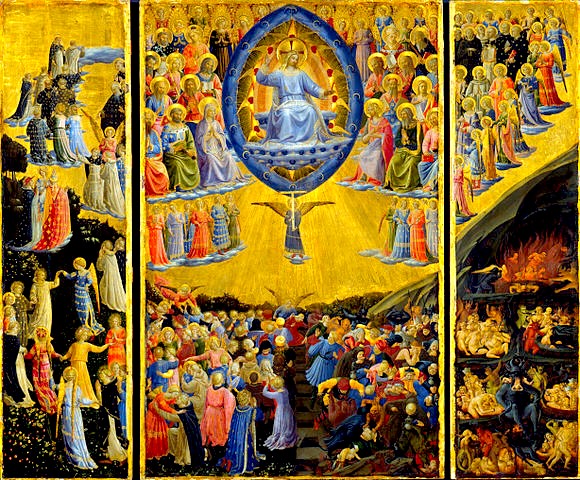
The Future is Uncertain but the End is Always Near
Homily Excerpt
1st Sunday of Advent C
What would your response be if I were to tell you that we are at the cusp of the End Times, especially in view of the escalation of conflict between Ukraine and Russia, threatening to drag Europe, the United States and the whole world into a possible nuclear war?
- Firstly, many of you would respond with incredulity and scoff at my announcement, thinking that I am either kidding, overreacting or out of my mind, and then proceed to live your lives business-as-usual.
- Secondly, some would take advantage of the limited time still available to fulfil your life-time’s bucket list – eat, drink and be merry. Why waste the final hours, days and months of your life in idle living or useless worrying?
- Thirdly, some of you would redouble your effort in putting your life and your household in order. Time to put in more effort in prayer, Mass attendance, and seek to make peace with those who have become estranged in past years.
Before proceeding any further, I would like to assure that I am deadly serious when I say that we are living in the end times. This is no bogey-man created by the Church to scare the unchurched and the nominal Catholics to return to the pews every Sunday. Neither, is this some symbolic event and its content require some form of de-mythologising. The world really will end! As the rock star lead of the Doors, Jim Morrison, assures us: “The future is uncertain but the end is always near.”

Stay awake, Pray always and Stand confidently
Homily Excerpt
1st Sunday of Advent C
Advent is not a season of false hope. We are not getting ready for some improbable, imagined event that exists only in fantasy. Our hope is based on the assurance that our God is coming. He has, in fact, already come among us in our own flesh. He has already loved us beyond death, has overcome sin and evil, and has seeded us with the hope of Eternal Life. And that is why our Lord can say this to us with such confidence: “When these things begin to take place, stand erect, hold your heads high, because your liberation is near at hand.”
Advent days are not to be wasted in spiritual idleness, in distracting ourselves with busy activity nor in fruitless worrying. We should use these advent days to stir up this hope in a fearful world, to cultivate that seed of hope to full bloom. We know that the Lord has come… we are certain that the Lord will come. And for us, that does not mean waiting in fear and dread for doomsday. We do believe in the Second Coming of Jesus and that is why we should stand erect, hold our heads high, because our liberation is near at hand.
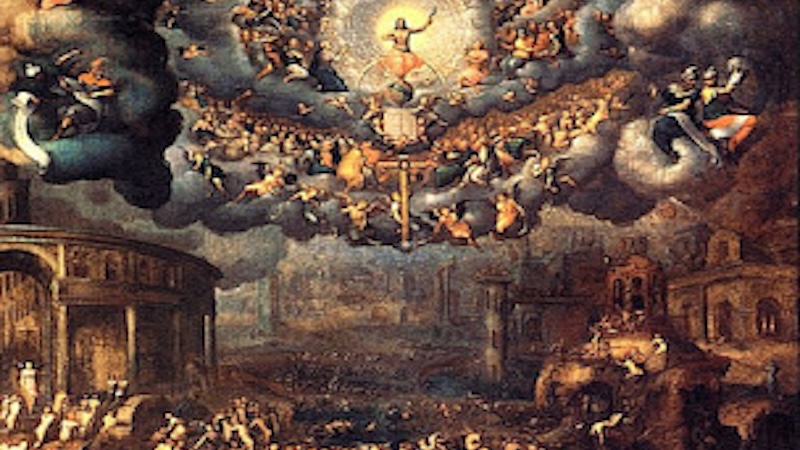
Advent is for Adults
Homily Excerpt
1st Sunday of Advent C
ne of the most common temptations that we face as adults is to adopt a position of self-reliance. This is not unusual because our personal goal is to become financially self-sufficient. This spills over to other areas, including our social, moral and spiritual lives. But when it comes to religion or God, modern writers have described this phenomena as practical atheism. Although actual atheism is the conscious rejection of the existence of God, practical atheism is living as if God doesn’t exist. The externals continue, but man becomes the central thrust of devotion, as the attention of religious concern shifts away from man’s devotion to God, to man’s devotion to man, bypassing God. The “ethic” of being Christian continues in a superficial way, having been ripped from its supernatural, transcendent, and divine foundation. According to Pope Emeritus Benedict XVI, who wrote and taught extensively on this temptation, practical atheism. While actual atheists often think deeply about God before rejecting belief, practical atheism “is even more destructive … because it leads to indifference towards faith and the question of God”. In other words, atheists care enough to argue against the existence of God, but practical atheists don’t even bother. God is totally irrelevant.

Fr. Denis J. Hanly

Father Denis J. Hanly (1932-2014) was a Maryknoll Missionary for over 55 years.

Fr. Tommy Lane
Watch and Stay Awake for Christ
Homily Excerpt
1st Sunday of Advent C
During Advent let us once again reflect on who we really are and the only way in which we will achieve the happiness we seek. During Advent let us look beyond the fact that Santa Claus is coming to town and prepare our hearts and town for Jesus coming to town. We are God’s people and we will only have peace and happiness if Christ is at the center of our lives. Therefore Paul wrote to the Thessalonians in the second reading,
Fr. John Kavanaugh, S.J.
The End Times
Homily Excerpt
1st Sunday of Advent C

It used to be that, once the celebration of Thanksgiving was over, I would go to the windows almost every morning, looking for snow. It is one of my earliest memories, a tissue of images held together by feelings that always had something to do with expectancy.
For children of other countries or climates, the prod might not have been Thanksgiving or the thought of snow, but I wouldn’t be surprised if the early days of Advent were, for Christian boys and girls, eager ones.
Some children had Advent calendars, others had wreaths decked with candles. Many observed the strangely prophetic feast of St. Nicholas, with its long stockings bulging with many small promises of greater gifts to come.
Songs changed with December. Worldly anxiety combined with hope in “You better watch out … Santa Claus is coming to town.” The “Dance of the Toy Soldiers” made the spine tingle. And church hymns deepened everything: “O come, O come. … ” “wake, awake, the night is dying.”
The following adaptation of Fr. Kavanaugh's homily, generated by our Catholic Assistant AI bot, is provided to help preachers share key insights from the homily with children and teens.
Hey everyone! It’s that time of year again when we start thinking about what comes after Thanksgiving—and for me, that meant checking the window every morning, hoping to see snow. Growing up, it wasn't just about snow; it was about the feeling of waiting for something amazing to happen. Kinda like when we’re waiting for our favorite TV show to drop a new season or for a big game release.
For some kids in other places, the excitement might have been different, but Christian kids everywhere know how cool the start of Advent can be. It's full of excitement and the hope of something great coming. Maybe you had an Advent calendar or candles that marked each week, or you celebrated St. Nicholas Day and found your stockings full of surprises.
December brings a whole new vibe. We start hearing songs like “Santa Claus is Coming to Town," and it’s all about that mix of excitement and hope. The anticipation makes everything feel more intense, from fun tunes to deeper songs in church that remind us of greater things to come—like "O come, O come…" and “Wake, Awake.”
Advent is all about getting ready and being hopeful. It's like how characters in movies are always on a quest, looking forward to something bigger. In the Bible, Jeremiah was all about this hopeful waiting: “The days are coming when I will fulfill the promise…” He was telling everyone that something awesome was going to happen. And Paul wrote in his letters about how love should grow among us and how our hearts can be strengthened.
Both Jeremiah and Paul knew what it was like to live in times that felt crazy and scary. Kinda like when we face tons of uncertainty and we don’t know what's coming next. And yeah, childhood comes with its own set of fears, like being scared when you lose sight of your mom in a big store. I remember a time when a young girl lost sight of her mom while shopping, and it was like her whole world was crashing down until her mom found her and everything suddenly felt okay again.
The Bible passage from Luke talks about destruction but also about hope. It sounds intense—like the plot of an epic survival story with dark skies and roaring seas—but Jesus says when things seem the worst, that's when help is really coming. It's the ultimate "hang in there, something good is coming" message.
Like when we were kids waiting for snow, or now, whenever we hear those first songs of the holiday season, it’s a reminder to look forward to joy and hope. Advent calls us back to that place of anticipation and wonder. And each year, as we go through these times, we get a bit wiser about it. The hope we have grows deeper and more meaningful.
We start to believe that Jesus’ light is even brighter than the snow we used to wait for—and that it’s a light no candle can match, leading us to an even greater Christmas celebration.
DISCLAIMER: Adaptations (like translations), may not fully capture the nuances or precise meanings of the original text. It's essential to read the original homily which can be accessed by clicking on the title above.
This discussion guide has been generated by the WORD THIS WEEK'S Catholic AI Assistant based on Fr. Kavanaugh's homily. NEED HELP? Copy and paste a question into the chat bot in the lower right corner of the screen and have our Catholic Assistant help you.
Discussion Questions:
1. Reflection on Childhood Anticipation
- How does the memory of looking for snow or eagerly waiting for Advent resonate with your own childhood experiences?
- In what ways do childhood emotions of expectancy continue to influence us as adults during the holiday season?
2. Advent Traditions and Symbols
- How do you or your family mark the Advent season? Are there special traditions or symbols you relate to?
- Which songs, hymns, or activities during December evoke a sense of anticipation and why do you think they have that effect?
3. The Nature of Promise and Prayer
- Discuss the concept of anticipation in Jeremiah's and Paul’s writings. How do these ancient texts offer hope amidst turmoil?
- How does this promise and prayer connect to your personal faith journey? Can you share a time when these promises resonated during a challenging period?
4. Fear and Apprehension
- The sermon alludes to fears both in childhood and adult life. How do these fears manifest in your own experiences, especially in times of uncertainty?
- What are some ways to find comfort and assurance in faith when faced with fear or anxiety?
5. Transformation from Fear to Relief
- Reflect on the story of the lost child in the department store. How does this illustrate the transition from fear to comfort?
- Can you share an experience in your life where you felt a similar transformation, perhaps through someone reaching out or a moment of realizations?
6. Interpreting Jesus’ Promise
- In the Luke passage discussed, Jesus speaks of His coming amidst distress and upheaval. How do these words offer hope and encourage you to "stand up straight and raise your heads"?
- Discuss how we balance the tension between the fearful imagery and the hopeful promise.
7. Childlike Anticipation in Adulthood
- Why do you think the sermon holds that the child within us never fully departs, even as we mature?
- How can maintaining a childlike anticipation enrich our faith and daily living, beyond just the Advent season?
Application:
- How might the message of Advent change the way you engage with the upcoming holiday season?
- What practical steps can you take this week to sustain the spirit of anticipation and hope in your life?
Prayer:
Conclude the session with a group prayer, asking for hearts open to hope, and courage to face fears with faith. Pray for the ability to see the promise in daunting times and for the light of Christ to guide through dark moments.
The following social media post ideas have been generated by the WORD THIS WEEK'S Catholic AI Assistant based on Fr. Kavanaugh's homily.
Social Media Post #1
"Advent is anticipation."
As we embark on the season of Advent, let's embrace the anticipation and excitement of the coming of Christ. What hopes and expectations do you have this Advent season?
#AdventAnticipation #HopeInChrist #ChristmasIsComing
Social Media Post #2
"Advent is promise and prayer."
Paul's letter to the Thessalonians reminds us of the promises and prayers that fill the Advent season. How can you strengthen your connection with God through prayer during this time of waiting?
#AdventPromises #PrayerfulSeason #StrengthenYourFaith
Social Media Post #3
"We commence our lives with such daunting vulnerability."
Life is filled with uncertainties, but the Christmas story shows us that hope can arise from vulnerability. How can you find hope in the face of life's challenges this Advent season?
#AdventHope #FindingStrengthInVulnerability #LightInDarkness
Social Media Post #4
"We love to light the candle that dispels the dark."
During Advent, we celebrate the light of Christ that overcomes darkness. How can you spread the light of love and compassion to those around you this season?
#AdventLight #SpreadingLove #OvercomingDarkness
Social Media Post #5
"The child in us looks for the sign of love in the sky."
Embrace the childlike wonder and anticipation of the Advent season. Where do you find signs of love and hope in the world around you?
#AdventWonder #SignsOfLove #HopeInTheLittleThingsReply in a thread
Click banners to access AI generated content.
Bishop Frank Schuster
Reset Your Compass to Christ
Homily Excerpt
1st Sunday of Advent C
The people of Jesus’ day did not have watches, or GPS devices, etc. They were able to tell time and get their directions from the sun, the moon and the stars. They believed that the sun, the moon and the stars were governed by cosmic forces which provided people knowledge of what time of day it was and what direction to travel as we make our way through life. What Jesus is saying here is that there will be a day when the cosmic forces that give us direction in life will be in dismay, and this will be a great cause for concern. People will be frightened because the compasses they relied on in life will not work anymore. And we do not need the end of the world for this to happen, a midlife crises will do. Depression or disillusionment can cause our moral compasses to spin as well. How about the evening news? When the things in our world that give us direction fail, Jesus continues by saying, “And then they will see the Son of Man coming in a cloud with power and great glory. But when these signs begin to happen, stand erect and raise your heads because your redemption is at hand.”

Advent is an Invitation to Break
Homily Excerpt
1st Sunday of Advent C

There is a story of six people who froze to death around a campfire on a bitterly cold night. Each had a log of wood they might have contributed to the fire, but for reasons satisfactory to themselves, each person refused to give what they had. A woman would not give because she said she hated men. A homeless man would not give because there was a rich man in the group. The rich man would not give because he did not want to warm someone who was obviously shiftless, lazy, and drank. Another would not give up his log because he recognized someone not of his race or religious faith.
And the fire died, as each person withheld their piece of fuel for reasons justifiable to themselves, and so, they all died. This story was originally told in a poem that ends with these tragic lines: six logs held fast in death’s still hand were proof of human sin; they did not die from cold without, they died from cold within.
The following adaptation of Fr. Warren's homily, generated by our Catholic Assistant AI bot, is provided to help preachers share key insights from the homily with children and teens.
Hey everyone! Today, I want to talk about something really interesting about Christmas and Advent. You might be surprised to learn that the actual date of Jesus' birth isn't known, so early Christians picked December 25th, which was originally a big celebration for people who believed in many gods.
Back then, those people thought the world was kind of like a big, epic battle between darkness and light. As winter nights grew longer, they worried that darkness might take over completely, swallowing up the sun. But around the end of December, something awesome happened—the days started to get longer! The sun seemed to regain strength, and light began beating the darkness.
When Christians heard about this idea, they thought it was a perfect way to talk about Jesus. They saw Him as the light coming into the world and overcoming darkness, just like the days started filling with more light after December 25th. This is why they chose this time to celebrate Jesus' birth—the arrival of the ultimate light into our world. It's all about hope and looking forward to some amazing changes.
Advent is like the beginning of this incredible journey where darkness gets weaker, and light becomes stronger. It's a time for us to reflect and think about the 'darkness' in our lives—those tough times or feelings we want to change. So, what would you want to change? What challenges would you like to overcome as we look forward to a new year?
Here's a cool idea: each of us can be like little beams of light for the world! Think about simple acts of kindness—like making someone smile, or just reaching out to a friend. These small gestures can really light up someone's day. As we start a new church year, let's aim to be those light-bringers.
Let me share a quick story with you. Imagine six people sitting around a campfire on a freezing night. Each person has a log to keep the fire going, but for their own reasons, they decide not to share. One person's angry, another is holding a grudge, and each keeps their logs to themselves. The saddest part? The fire goes out, and they all suffer. This story shows that holding back from helping others can make things harder for everyone.
When Jesus started teaching, some curious people asked Him where He lived. His answer? "Come and see." It’s like He's inviting us to check out the places where there’s pain or hurt, both in ourselves and in the world, and bring our own little 'logs'—our kindness and love—to make things better.
Advent is the perfect time to start this journey. Let’s walk into the new year aiming to bring more light and warmth wherever we are. Jesus offers us the chance to see where He lives—in all those little moments where we can make a difference. So let's accept His invitation and see what amazing things can happen when we choose to be a light in the darkness!
DISCLAIMER: Adaptations (like translations), may not fully capture the nuances or precise meanings of the original text. It's essential to read the original homily which can be accessed by clicking on the title above.
This discussion guide has been generated by the WORD THIS WEEK'S Catholic AI Assistant based on Fr. Warren's homily. NEED HELP? Copy and paste a question into the chat bot in the lower right corner of the screen and have our Catholic Assistant help you.
Introduction
- Explore the historical context of how the Church chose December 25th to celebrate Christ's birth in relation to Pagan traditions.
- Discuss the concept of light overcoming darkness within both Pagan and Christian frameworks.
Understanding Advent
1. Historical Significance
- Discuss the symbolism of Advent as a time when light begins to overpower darkness.
- Reflect on how Christians have interpreted this period as a time of hope and renewal.
2. Personal Reflection
- What darkness do you feel needs to be overcome in your life or in the broader world?
- Share personal experiences of light overcoming darkness in your own life.
Motif of Light-Beaming
1. Practical Applications
- Explore small, everyday actions that can bring light to others: gestures, smiles, or apologies.
- How can these small acts contribute to overcoming personal and communal darkness?
2. Setting Goals
- Discuss the potential goals for the new church year in terms of being light-bearers.
- What are some realistic and achievable actions that can be taken to bring about positive change?
The Parable of the Six Logs
1. Understanding the Parable
- Discuss the story of the six people who froze to death due to not sharing their logs.
- Reflect on the moral of the story: the consequences of withholding kindness and resources.
2. Personal Application
- What are some "logs" or resources you might be withholding in your life?
- How can sharing these resources help dispel darkness within your community?
Jesus' Invitation
1. Exploring the Invitation
- Reflect on Jesus' invitation to "come and see" where He lives, particularly within darkness.
- Discuss how to find Jesus in the darkness and hurt in our lives and the lives of others.
2. Answering the Call
- How can you personally respond to Jesus' call to bring light and warmth into dark places?
- Share strategies and support systems that can help fulfill this calling as a community.
Conclusion
- Reflect on how Advent presents a unique opportunity for new beginnings.
- Encourage the group to consider the sermon’s call to action: accepting Jesus' invitation to dispel darkness and usher in light through love and service.
The following social media post ideas have been generated by the WORD THIS WEEK'S Catholic AI Assistant based on Fr. Warren's homily.
Social Media Post #1
"Advent marks the time when darkness begins to grow weaker."
Advent is a season of hope, as we anticipate the light of Christ overcoming the darkness. What areas of darkness in your life can you surrender to the light of Jesus this Advent season?
#AdventHope #LightOvercomesDarkness #SurrenderToTheLight
Social Media Post #2
"We all contain within us the power to bring light."
During Advent, we are called to be bearers of light in the world. In what ways can you share your light with others and make a positive impact in their lives?
#AdventLight #SpreadKindness #BeTheChange
Social Media Post #3
"Each person refused to give what they had."
The story of the six people who froze to death reminds us of the consequences of withholding our gifts. How can you contribute your unique talents and resources to create warmth and light in your community?
#AdventGenerosity #GiveYourGifts #CommunitySupport
Social Media Post #4
"Where do You live today, now?"
Jesus lives within the darkness and pain of people everywhere. As we prepare for His coming, let's reach out to those in need with compassion and love. Who can you reach out to this Advent season?
#AdventCompassion #LoveYourNeighbor #JesusInTheDarkness
Social Media Post #5
"Advent is an invitation to break through the darkness into the light."
This Advent, accept the invitation to let the light of Christ break through the darkness in your life. How will you embrace the transformative power of the light during this season of hope?
#AdventTransformation #EmbraceTheLight #BreakThroughTheDarkness
Click banners to access AI generated content.