APR 6, 2025
Advent | Christmas | Lent | Easter | Solemnities | Ordinary Time | Luke's Gospel


Lector Preparation for Sunday Readings
Lector Preparation for Sunday Readings
Greg Warnusz—

Greg’s tips for the Sunday readings (April 6, 2025),
focusing on the lector’s understanding and proclamation
LECTOR NOTES
Historical and Literary Background
You're a prophet speaking for God trying to encourage a dispirited people. So:
- You appeal to their collective memory.
- You pepper them with quick, incisive phrases about the newness of what you're doing.
- You address their fears about doing what you ask of them.
Observe this three-part structure by pausing after part 1 ("... quenched like a wick"). Then adopt a quick pace and staccato delivery for:
Remember not the events of the past,
the things of long ago consider not;
See, I am doing something new!
Now it springs forth,
do you not perceive it?
In the desert I make a way,
in the wasteland, rivers.
Then pause again, and resume a more stately pace, building to a majestic-sounding final statement of purpose, "that they might announce my praise."
This is Paul at his most candid. He speaks openly about how his theological insights came to bear on his personal life. So it calls for careful proclamation. You're speaking as if you were a man who is admitting a colossal, decades-long, well-meaning mistake. He's telling good friends (the Christians at Philippi) how his current way of life contrasts with his former way. He's emphatic about it, too.
Prepare for your proclamation by reading all of Chapter 3, studying it until you understand the development that Paul has come through. Then read these verses slowly, with contrast and emphasis so that an uninitiated listener can appreciate the development, too. Pause where your common sense, persuaded perhaps by what you're read here, tells you the logical breaks are. Don't be bound by the punctuation or lack of it in your particular lectionary.
If your church is doing the scrutinies, part of the Rite of Christian Initiation of Adults, See this Lector’s Notes page, even in years B and C.
Lisa Bellecci—
FIRST
READING
Isaiah 43:16-21 emphasizes God’s persistent love and the continual renewal He offers to His people. The passage urges us to let go of past failures and doubts, and instead embrace the “new thing” God is doing in our lives.
CHALLENGING WORDS:
None

SOURCE: Lisa M Bellecci |Archive

Lectors' Guide to Isaiah 43:16-21
- Holding the Lectionary: Hold the book visibly while maintaining eye contact with the congregation to engage them effectively.
- Background Context: Isaiah is reminding the Israelites of God's past faithfulness during their captivity, referring to the Exodus event.
- Tone: Convey enthusiasm and comfort, emphasizing that God will continue to be there for His people.
- Pacing: Speak slowly and clearly, pausing at appropriate points to emphasize the message of hope and reassurance.
- Message: Focus on the main message of God's constant care and the promise of renewal, represented by the imagery of water in the desert.
- Conclusion: Emphasize the call to proclaim God's love and praise, encouraging the congregation to share this message with others.
In summary, as a lector, convey the message of hope and reassurance in the passage from Isaiah with enthusiasm, maintaining eye contact, and pacing yourself for maximum impact. Encourage the congregation to embrace the promise of God's continued presence and love in their lives.
SECOND READING
Philippians 3:8-14 emphasizes the surpassing value of knowing Christ and pursuing righteousness through faith in Him. St. Paul acknowledges his own personal transformation, counting all things as loss compared to the gift of faith, and encourages believers to press on toward the goal of eternal life in Christ.
CHALLENGING WORD:
Righteousness

SOURCE: Lisa M Bellecci |Archive
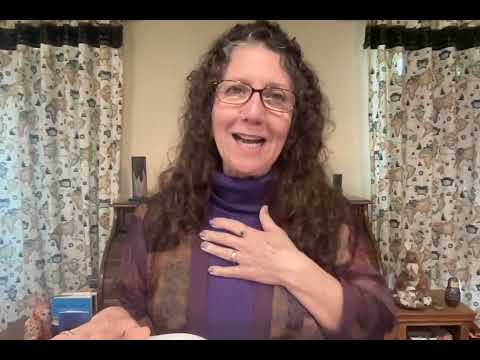
Lectors' Guide to Philippians 3:8-14
- Holding the book: Hold the lectionary visibly, making it clear that you're reading from the scripture while maintaining eye contact with the congregation.
- Knowing Christ: Emphasize the importance of knowing Christ and the willingness to let go of worldly attachments to gain him.
- Righteousness through faith: Highlight that righteousness comes from faith in Christ, not by our own merit.
- Sharing in Christ's sufferings: Reflect on how we can unite with Christ through our trials and challenges.
- Continuous pursuit: Focus on the ongoing journey of faith and the hope of attaining eternal life.
- Being taken possession by Christ: Emphasize the transformation that takes place when we surrender ourselves to Christ.
- Forgetting the past: Encourage listeners to let go of past attachments and look forward to the promise of God's calling.
- Practice reading out loud: Ensure that you're comfortable with the text and can convey its meaning effectively to the congregation.
In summary, this passage from St. Paul's letter to the Philippians highlights the centrality of Christ in our lives and encourages a constant pursuit of righteousness through faith. By reflecting on these key points, lectors can help the congregation connect with the text and deepen their understanding of its message.
Lector Resources
Courtesy of the Los Angeles Archdiocese


- A
- B
- C
- D
- E
- G
- H
- I
- J
- K
- L
- M
- N
- O
- P
- R
- S
- T
- U
- Z
Abiezrite [ay-bee-EEZ-rite]
Abilene [ab-uh-LEE-neh]
Abinadab [uh-BIN-uh-dab]
Abinoam [uh-BIN-oh-am]
Abishai [uh-BIHSH-ay-ai]
Abiathar [uh-BI-uh-thahr]
Abram [AYB-ruhm]
Achaia [uh-KAY-yuh]
Achor [AY-kohr]
Acts [akts]
Adar [AY-dahr]
Admah [AD-mah]
Agabus [AG-uh-buhs]
Agar [AY-gur]
Ahaz [AY-haz]
Ahio [uh-HIGH-oh]
Ai [AY-eye]
Akkub [ACK-ub]
Alphaeus [al-FEE-uhs]
Amalekites [uh-MAL-uh-kytes]
Amaziah [am-ah-ZYE-uh]
Ammon [AM-uhn]
Ammonites [AM-uh-nytes]
Amon [AY-muhn]
Amorites [AM-uh-rytes]
Amos [AY-muhs]
Amoz [AY-muhz]
Amphipolis [am-FIP-oh-lis]
Anaiah [uh-NYE-uh]
Ananias [AN-uh-NYE-uhs]
Anathoth [AN-uh-thoth]
Annas [ANN-uhs]
Antioch [AN-tee-ahk]
Antiochus [an-TYE-uh-kuhs]
Apollonia [AP-uh-LOH-nee-uh]
Apollos [uh-PAH-luhs]
Apphia [AF-ee-uh]
Arabah [AIR-uh-bah, AIR-uh-buh]
Aram [AY-ruhm]
Aramean [AAH-ruh-MEE-uhn] from Aram
Archelaus [AHR-kuh-LAY-uhs]
Archippus [ahr-KIP-uhs]
Arimathea [ehr-uh-muh-THEE-uh]
Areopagus [air-ee-AHP-uh-guhs]
Asenath [AS-uh-nath]
Asher [ASH-uhr]
Ashkelon [ASH-kuh-lon]
Assyria [a-SIHR-ee-uh]
Aven [AY-ven]
Azal [AZ-uhl]
Azariah [az-uh-RYE-uh]
Azotus [ah-ZOH-tus]
Baal [BAY-uhl]
Baals [BAY-uhlz]
Baale-judah [BAY-uh-lee-JOO-duh]
Baalpeor [BAY-uhl-PEE-ohr]
Baals [BAY-alz]
Baal-shalishah [BAY-uhl-shuh-LYE-shuh]
Baal-zephon [BAY-uhl-ZEE-fuhn]
Babyon [BAB-ih-lon]
Balaam [BAY-luhm]
Balak [BAY-lak]
Baladan [BAL-uh-dan]
Bani [BAY-nye]
Barabbas [buh-RAH-buhs]
Barak [BAIR-uhk]
Barnabas [BAHR-nuh-buhs]
Barsabbas [BAHR-suh-buhs]
Bartimaeus [bahr-tih-MEE-uhs]
Baruch [BARE-uhk]
Bashan [BAY-shun]
Bathsheba [bath-SHEE-buh]
Beelzebub [bee-EHL-zee-buhb]
Beer-lahai-roi [BEE-uhr-luh-HYE-roy]
Beer-sheba [BEE-uhr-SHEE-buh]
Bel [BAYL, BEL]
Belshazzar [behl-SHAZ-uhr]
Belteshazza [bel-tih-SHAZ-ahr]
Beor [BEE-or]
Berea [beh-REE-uh]
Beroea [beh-REE-uh] (alt. for Berea)
Bethel [BETH-uhl]
Bethlehem [BETH-lee-hem]
Bethlehemite [BETH-lih-heh-myte]
Beth-peor [beth-PEE-ohr]
Bethphage [BETH-fuh-gee]
Bethsaida [beth-SAY-ih-duh]
Bethlehemite [BETH-le-heh-mite]
Bethuel [buh-THOO-uhl]
Bethzatha [beth-ZAY-thuh]
Bildad [BIL-dad]
Bilhah [BIL-hah]
bitumen [bih-TOO-mehn]
Caesarea [ses-uh-REE-uh]
Caesarea Philippi [sehs-uh-REE-uh fih-LIP-eye]
Caiaphas [KAY-uh-fuhs]
Calneh [KAL-neh]
Cana [KAY-nuh]
Canaan [KAY-nuhn]
Cananaean [kay-nuh-NEE-uhn]
Canaanites [KAY-nuh-nytes]
Candace [kan-DAY-see]
Capernaum [kuh-PUHR-nee-uhm]
Cappadocia [kap-uh-DOH-shee-uh]
Carmel [KAHR-muhl]
caul [KAWL]
Cephas [SEE-fuhs]
Chaldeans [kal-DEE-uhns]
Cheebar [KEE-bahr]
Cherubim [CHAIR-yoo-bim]
Chilion [KIHL-ee-uhn]
Chloe's [KLOH-eez]
Chrispus [KRIS-puhs]
Chronicles [KRON-ih-kuhlz]
Chuza [KOO-zuh]
Cilicia [sih-LISH-yuh]
Cleopas [KLEE-uh-puhs]
Clopas [KLO-pas]
cockatrice’ [KAH-kuh-trihs]
Colossae [kuh-LOHS-ee]
Colossians [kuh- LAH-shuhnz]
Corinth [KOR-uhnth]
Corinthians [kuh-RIN-thee-uhnz]
Cornelius [kor-NEE-lee-uhs]
Cretans [KREE-tenz]
Cushite [CUHSH-ite]
Cyrene [sy-REE-neh]
Cyrenians [sy-REE-nee-enz]
Cyrus [SYE-ruhs]
Damascus [duh-MAS-kuhs]
Daniel [DAN-yuhl]
Darius [duh-RYE-uhs]
Decalogue [DEK-uh-log]
Decapolis [dee-KAP-uh-lis]
denarii [dih-NAIR-ee-eye]
denarius [dih-NAIR-ee-uhs]
Deuteronomy [DOO-tuh-RON-uh-mee]
Diblaim [dib-LAH-yim]
Didymus [DID-uh-muhs]
Ecclesiasticus [ih-KLEE-zee-AS-tih-kuhs]
Ecclesiastes [ih-KLEE-zee-AS-teez]
Edom [EE-duhm]
Ehud [EE-hudd]
Elah [EE lah]
Elamites [EE-lah-mites]
Eldad [EHL-dad]
Eleazar [ehl-ee-AY-zer]
Eli [ee'lye]
Eliab [ee-LYE-ab]
Eliam [el-ee-AWM]
Elias (ee-LYE-us)
eli eli lema sabachthani
[AY-lee AY-lee LUH-mah sah-BAKH-thah-nee]
Eloi, Eloi, lema sabachthani?
[AY-lo-ee AY-lo-ee LEH-mah
sah-BAHK-tah-nee]
Eliezer [ehl-ih-EE-zer]
Elijah [ih-LYE-juh]
Elimelech [ih-LIHM-eh-lehk]
Elisha [ih-LYE-shuh]
Elkanah [el-KAY-nuh]
Emmanuel [ih-MAN-yoo-ell]
Emmaus [ih-MAY-uhs]
Enoch [EE-nuhk]
Epaphras [EPP-uh-fruhs]
Ephah [EE-fah]
Ephphatha [EHF-uh-thuh]
Ephesian [eh-FEE-zhun]
Ephesians [eh-FEE-zhunz]
Ephesus [EF-uh-suhs]
Ephraim [EE-fray-ihm]
ephod [EH-fahd, EE-fod]
Ephrathah [EHF-ruh-thuh]
Ephrathites [EHF-ruh-thites]
Esaias [EE-zay-uhs]
Esau [EE-saw]
Esdras [EZ-druhs]
Esther [ES-tuhr]
Euodia [yoo-OH-dee-uh]
Euphrates [yoo-FRAY-teez]
Exodus [EK-suh-duhs]
Ezekiel [ih-ZEE-kee-uhl]
Ezra [EZ-ruh]
Gabbatha [GAB-uh-thuh]
Gadarene [gad-uh-REEN]
Gadarenes [gad-uh- REENZ]
Gaius [GAY-yuhs]
Galatia [guh-lay-SHEE uh]
Galatians [guh-LAY-shuhnz]
Galileans [gal-ih-LEE-uhn]
Galileans [gal-ih-LEE-uhnz]
Gath [GATH]
Gaza [GAH-zuh]
Gehazi [gee-HAY-zye]
Genesis [JEN-uh-sis, JEH-nuh-suhs]
Gennesaret [gih-NES-uh-ret]
Gerasenes [GAIR uh seens]
Gibeah [GIB-ee-uh]
Gibeon [GIHB-ee-uhn]
Gideon [GID-ee-uhn]
Gilboa [gil-BOH-uh]
Gilead [GIHL-ee-uhd]
Gilgal [GILL-gal]
Girgashites [GER-guh-shytes]
Golgotha [GOL-guh-thuh]
Goliath [go-LYE-uhth]
Gomer [GOH-murr]
Gomorrah [guh-MOR-uh]
Goshen [GOH-shuhn]
Habakkuk [huh-BAK-kuhk]
Hadadrimmon [hay-dad-RIHM-uhn]
Hades [HAY-deez]
Hakeldama [hah-KEL-'duh-muh]
Hagar [HAY-gahr]
Haggai [HAG-ay-eye]
Ham [ham]
Haman [HAY-muhn]
Hamath [HAY-muth]
Hanamel [HAN-uh-mehl]
Hanan [HAY-nuhn]
Hananiah [han-uh-NYE-uh]
Haran [HAY-ruhn]
Harbona [khar-BO-nah]
Harosheth-ha-goiim
[huh ROH-sheth huh Goy-ihm]
Hashbaddanah [hash-BAD-ah-nuh]
Hashum [HAY-shum]
Hazael [HAZ-uh-el]
Hazor [HAY-zor]
Hebrews [HEE-brooz]
Hebron [HEE-bron]
Hermon [HER-mun]
Herod [HAIR-uhd]
Herodians [hih-ROH-dee-uhns]
Herodias [hih-ROH-dee-uhs]
Hezekiah [heh-zeh-KYE-uh]
Hilkiah [hil-KYE-uh]
Hittites [HIHT-tytes]
Hivites [HYE-vites, HIH-vites]
Hodiah [hoh-DYE-uh]
Horeb [HOR-uhb]
Hosea [hoh-SEE-uh, hoh-ZAY-uh]
Hur [HER]
Iconium [eye-KOE-nee-uhm]
Immanuel [ih-MAN-yoo-el]
Isaiah [eye-ZAY-uh, (eye-ZYE-uh, chiefly Brit.)]
Iscariot [is-KAR-ee-uht]
Ishmael [ISH-may-el]
Ishmaelites [ISH-may-uh-lites]
Israel [IZ-ray-el]
Issachar [ISS-seh-kar]
Ittai [IT-tye]
Ituraea [ih-TSHOOR-ree-uh]
Jabbok [JAB-ock]
Jabin [JAY-bin]
Jamin [JAY-min]
Jaar [JAY-ahr]
Jairus [JAY-uh-ruhs]
James [jaymz]
Japheth [JAY-feth]
Jashar [JASH-ur]
Jebusites [JEH-boo-sites]
Jehoiakim [jeh-HOI-uh-kim]
Jehovah-Shalom [juh-HOH-vuh-SHAY-lom]
Jehozadak [juh-HOZ-uh-dak]
Jehu [JEE-hoo]
Jemimah [juh-MYE-muh]
Jericho [JAIR-ih-koe]
Jeroboam [JAIR-uh-BOH-uhm]
Jephthah [JEF-thuh]
Jeremiah [jer-uh-MYE-uh]
Jeshua [JESH-oo-uh]
Jethro [JETH-roh]
Jezebel [JEZ-uh-bel]
Jezreel [JEZ-ree-uhl]
Jezreelite [JEZ-ree-uhl-ite]
Joab [JOH-ab]
Joash [JOH-ash]
Job [JOHB]
Joel [JOH-uhl]
John [jahn]
Jonah [JOH-nuh]
Joppa [JOP-uh]
Joses [JOH-seez]
Josiah [joh-SI-uh]
Joshua [JOSH-yoo-uh]
Jotham [JOH-thuhm]
Jozabad [JOHZ-uh-bad]
Judah [JOO-duh]
Judea or Judæa [joo-DEE-uh]
Jude [jood]
Judges [JUHJ-iz, JUH-juhz]
Judith [JOO-dith]
Justus [JUHS-tuhs]
Kadesh [KAY-dehsh]
Kedar [KEE-dahr]
Kedesh [KEE-desh]
Kelita [KEL-ih-tuh]
Keren-happuch [KEHR-ehn-HAP-uhk]
Keziah [keh-ZYE-uh]
Kerioth [ker-ee-YOTH]
Kidron [KIHD-ruhn]
Kings [kingz]
Kir [KEER]
Kishon [KYE-shahn]
Laban [LAY-ban]
Lamentations [LAM-en-TAY-shuhnz]
Laodicea [lay-oh-duh-SEE-uh]
Lappidoth [LAP-ih-doth]
Leviathan [luh-VYE-uh-thuhn]
Levite [LEE-vite]
Levites [LEE-vites]
Leviticus [lih-VIT-ih-kuhs]
Lo-ammi [loh AM-eye]
Lo ruhamah [loh roo-HAY-muh]
Lud [luhd]
Luke [louhk]
Lycaonian [lihk-uh-OH-nee-uhn]
Lydda [LIH-duh]
Lysanias [lye-SAY-nee-uhs]
Lystra [LIS-truh]
Maaseiah [MAY-uh-SEE-yuh]
Maccabees [MAH-kuh-beez]
Macedonia [MAH-suh-DOH-nee-uh]
Magdala [MAG-duh-luh]
Magdalene [MAG-duh-leen]
Mahlon [MAH-luhn]
Mahseiah [muh-SYE-uh]
Malachi [MAH-luh-kye]
Malchijah [mal-KYE-uh]
Malchus [MAL-kuhs]
Manasseh [muh-NAH-suh]
Mamre [MAM-ree]
Mark [mahrk]
Massah [MAH-suh]
Matthew [MAH-thyoo]
Matthias [muh-THYE-uhs]
Mattithiah [mat-tih-THYE-uh]
Medad [MEE-dad]
Medes [meedz]
Megiddon [mih-GID-uhn]
Melchizedek [mel-KIZ-uh-dek]
Meribah [MAIR-ee-baah]
Merodach-baladan [MER-oh-dak-BAL-uh-dan]
Meshullam [meh-SHOO-luhm]
Mesopotamia [MESS-uh-puh-TAY-mee-uh]
Micah [MYE-kuh]
Michal [MY-kuhl]
Midian [MID-ee-uhn]
Midianites [MID-ee-uh-nytes]
(the) Millo [MILL-oh] (believed to be a type of fortification)
Milcah [MIL-kah]
mitre [mye-tuhr]
Mizar [MYE-zahr]
Mishael [MISH-uh-el]
Moab [MOH-ab]
Moabite [MOH-ab-ite]
Moreh [MOH-ruh]
Moriah [muh-RYE-uh]
Naaman [NAY-uh-muhn]
Naamathite [NAY-uh-muh-thyte]
Naboth [NAY-buhth]
Nahor [NAY-hor]
Nahum [NAY-huhm]
Nain [NAY-in]
Naomi [nay-OH-mee]
Naphthali [NAF-tuh-lye]
Nathanael [nuh-THAN-yuhl]
Nazareth [NAH-zuh-ruhth]
Nazirite [NAH-zuh-ryte]
Nazorean [naz-aw-REE-uhn]
Neapolis [nee-AP-o-lihs]
Nebo [NEE-boh]
Nebuchadnezzar [NEH-byoo-kuhd-NEH-zuhr]
Nebuchadrezzar [NEH-byoo-kuh-DREH-zuhr]
Negeb [NEH-geb]
Negev [NEH-gev]
Nehemiah [NEE-uh-MYE-uh; NEE-huh-MYE-uh]
Neriah [nuh-RYE-uh]
Nicanor [nye-KAY-nuhr]
Nicodemus [NIK-uh-DEE-muhs]
Nicolaus [NIK-uh-lay-uhs]
Nimshi [NIM-shy]
Nineveh [NIN-uh-vuh]
Numbers [NUHM-buhrz]
Nun [nuhn]
Obadiah [OH-buh-DYE-uh]
Obed [OH-behd]
Obed-edom [OH-behd-EE-duhm]
Onesimus [oh-NESS-ih-muhs]
Ophir [OH-fuhr]
Ophrah [OHF-ruh]
Orpah [OR-puh]
Paddan-aram [PAD-an-AY-ram]
Pamphylia [pam-fil'ee-uh]
Paran [PAY-ruhn]
Parmenas [PAR-muh-nuhs]
Parthians [PAR-thee-uhnz]
Patmos [PAT-muhs]
Pedaiah [peh-DYE-yah]
Pelaiah [peh-LAY-ee-uh]
Peniel [PEN-ee-ehl]
Peninnah [pih-NIN-ah]
Penuel [pen-YOO-uhl]
Peor [PEE-ohr]
Perazim [PER-uh-zim]
Pergamum [PUHR-guh-muhm]
Perizzites [PAIR-ih-zites]
Peter [PEE-tuhr]
Phanuel [FAN-yoo-el]
Pharaoh [FER-oh]
Pharpar [FAHR-pahr]
Philemon [fye-LEE-muhn, fih-LEE-muhn]
Philippi [FIL-ih-pye , fuh-LIP-eye]
Philippians [fuh-LIP-ee-uhnz]
Philistines [fih-LIHS-teenz]
Phoenicia [foh-NEE-shee-uh]
Phrygia [FREE-jee-ah]
Pi-hahiroth [Pye-huh-HYE-roth]
Pisidia [pye-SID-ee-uh]
Pisgah [PIZ-gah]
Pithom [PYE-thom]
Pontus [PAHN-tuhs]
pot-sherd [PAHT-shuhrd]
Poti-pherah [pah-TIH-fuh-ruh]
privily [PRIV ih lee]
Prochorus [PRAH-kuh-ruhs]
Prophecy [PROF-ah-see]
Prophesy [PROF-ah-sye]
Proverbs [PRAH-vuhrbz]
Psalms [sahmz, sahlmz]
Puah [POO-ah]
Rabbah [RAB-uh]
Rabbouni [ra-BOH-nye; ra-BOH-nee]
Rahab [RAY-hab]
Ramah [RAH-muh]
Rameses [RAM-uh-seez]
Rebekah [rih-BEK-uh]
Rehoboam [REE-uh-BOH-uhm]
Rephidim [REH-fih-dim]
Revelation [REV-uh-LAY-shuhn, reh-vuh-LAY-shuhn]
Romans [ROH-muhnz]
Ruth [rooth]
Sadducees [SAD-yoo-seez]
saith [SETH, SEY-uhth]
Salome [suh-LOH-mee]
Samaria [suh-MARE-ee-uh]
Samaritan [suh-MARE-uh-tuhn]
Samaritans [suh-MARE-uh-tuhnz]
Samothrace [SAM-oh-thrays]
Samson [SAM-suhn]
Samuel [SAM-yoo-uhl]
Sarai [SEHR-eye]
Sardis [SAHR-dis]
Sceva [SEE-vuh]
Scythian [SIH-thee-uhn]
Seba [SEE-buh]
Seir [SEE-eer]
Selah [SEE-luh]
Sennacherib [sen-AHK-uhr-ihb]
Seraphim [SER-uh-fim]
Shabbethai [SHAB-eh-thye]
Shallum [SHAL-uhm]
Shammah [SHAH-mah]
Shaphat [SHAY-fat]
Sharon [SHEHR-uhn]
Shealtiel [shee-AL-tee-el]
Sheba [SHEE-bah]
Shechem [SHEE-kehm]
Shekel [SHEK-uhl]
Shekels [SHEK-uhlz]
Shem [shem]
Shema [SHUH-mah]
Shemaiah [she-MAY-yuh]
Sheol [SHEE-ohl]
Sherebiah [SHAIR-uh-BYE-uh]
Shew [show]
Shiloh [SHYE-loh]
Shiphrah [SHIF-rah]
Shittim [SHIH-tim]
Shuhite [SHOO-hyte]
Shunammite [SHOO-nuh-mite]
Shunem [SHOO-nem]
Sidon [SYE-duhn]
Siloam [sye-LOH-uhm]
Silvanus [sil-VAY-nuhs]
Sin [sin]
Sinai [SYE-nye]
Sion [SYE-ahn]
Sirach [SYE-ruhk]
Sisera [SIS-uh-ruh]
Smyrna [SMUHR-nuh]
Sodom [SOD-uhm]
Solomon [SAH-luh-muhn]
Sosthenes [sahs'thuh-neez]
Stephanas [STEF-uh-nuhs]
Susanna [soo-ZAN-uh]
Sychar [SYE-kahr]
Syene [sye-EEN-nee]
Syntyche [SIN-tih-kee]
Tabitha [TAB-ih-thuh]
Tabor [TAY-bor]
Talitha cum [TAL-ih-thuh-KOOM]
Tarshish [TAHR-shish]
Tekoa [tek-OH-ah]
Teman [TEE-man; TEH-men]
Terah [TEE-rah]
Thaddaeus [tha-DEE-uhs]
Theophilus [thee-AH-fih-luhs]
Thessalonians [THES-uh-LOH-nee-uhnz]
Thessalonica [THES-uh-loh-NYE-kah]
Thummim [THUH-muhm]
Thyatira [thye-uh-TYE-ruh]
Tiberias [tai-BIHR-ee-uhs]
Tiberius [tai-BIHR-ee-uhs]
Timon [TYE-muhn]
Timothy [TIM-uh-thee]
Tishbite [TISH-bite]
Titus [TYE-tuhs]
Tobit [TOH-bit]
Trachonitis [trak-o-NYE-tihs]
Troas [TROH-as]
Tubal [TOO-buhl]
Tyre [tire]
Ur [UHR]
Uriah [yoo-RYE-uh]
Urim [YOOR-im]
Uz [UHZ]
Uzzah [UHZ-uh]
Uzziah [uh-ZI-uh]
Zacchaeus [zah-KEE-uhs]
Zacharias [zak-uh-RYE-uhs]
Zaphnath-paaneah [ZAF-uh-nath-puh-NEE-uh]
Zarephath [ZAIR-uh-fath]
Zarethan [ZER-uh-than]
Zerubbabel [zuh RUH buh behl]
Zebedee [ZEB-uh-dee]
Zeboim [zuh-BOH-im]
Zebulun [ZEH-byoo-luhn]
Zechariah [ZEK-uh-RYE-uh]
Zedekiah [zehd-uh-KYE-uh]
Zephaniah [ZEF-uh-NYE-ah]
Ziklag [ZIHK lag]
Zilpah [ZIL-pah]
Zin [ZIHN]
Zoan [ZOH-an]
Zoar [ZOH-ahr]
Zophar [ZOH-fahr]