
The Story of Doubting Thomas

Jesus showed kindness and understanding towards Thomas, even though he doubted his resurrection, and emphasized the importance of believing in him without seeing him.

SOURCE: Young Catholics


ASK A
TEEN
GOSPEL
DISCUSSION
Discussion questions for teens with sample answers based on their interests.
Discussion Questions
John 20:19-31
Discussion Questions:
1. Question: How can I overcome doubts about my faith, like Thomas did in John 20:19-31?
Answer: Just like Thomas, it’s okay to have doubts about your faith. Seek out answers, talk to trusted mentors or spiritual leaders, and remember that doubt can lead to a deeper understanding and stronger faith.
2. Question: How can forgiveness help me navigate conflicts with friends or family members?
Answer: Forgiveness is a powerful tool for resolving conflicts. Just as Jesus offered forgiveness to Thomas, we can extend grace to others and work towards reconciliation in our relationships.
3. Question: How can I find hope in difficult times, especially when facing challenges like discrimination or injustice?
Answer: Remember that hope can be found in community, activism, and faith. Look to historical figures like Nelson Mandela or Maya Angelou for inspiration on how forgiveness and resilience can lead to positive change.
4. Question: How can I deal with feelings of uncertainty or anxiety about the future, especially when it comes to my goals and aspirations?
Answer: Like Thomas’s journey from doubt to belief, remember that it’s normal to feel uncertain about the future. Focus on setting achievable goals, seeking support from others, and trusting in your own abilities to overcome challenges.
5. Question: How can I use my doubts or struggles to grow and learn more about myself?
Answer: Embrace your doubts and struggles as opportunities for personal growth. Just as Thomas’s doubt led to a deeper faith in Christ, your own challenges can lead to a stronger sense of self-awareness and resilience.
Featured Videos


Embracing Divine Mercy Sunday is not only beautiful, but it also carries a greater call to action and responsibility for all baptized individuals to forgive sins and allow God’s mercy to flow into unique situations in our lives and in the world.
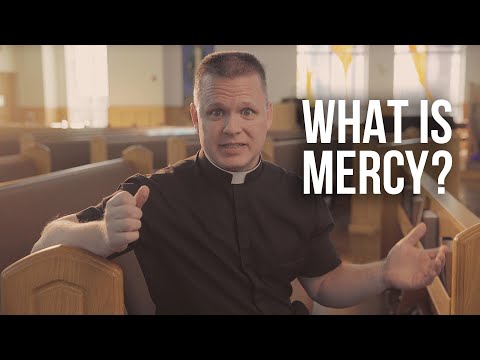
Mercy is a powerful form of love that goes beyond forgiveness and extends to alleviating suffering and providing opportunities for a better life.


SOURCE: Ascension Presents
Jared Dees


SOURCE: The Religion Teacher
After Jesus rose from the dead, he visited his disciples, but Thomas wasn’t there. The other disciples told Thomas about Jesus’s appearance, but he did not believe them. He expressed his doubt saying:
“Unless I see the mark of the nails in his hands and put my finger in the mark of the nails and my hand in his side, I will not believe.”
A week later Jesus returned and told Thomas to put his finger in the wound at his side and see the holes in his hand from the nails on the cross. Thomas finally believed saying
“My Lord and my God!”
Finally the story gives a nod to us as the reader. None of us were there with the Apostles when the Risen Jesus appeared to them. So he says:
“Have you believed because you have seen me? Blessed are those who have not seen and yet have come to believe.”
The Meaning of the Doubting Thomas Story What lessons does this story teach to us today?
1. Believe without seeing. Christians are called to have faith without miraculously seeing Jesus. Faith is sometimes believing without seeing.
2. There is hope for the skeptics. All of us will experience doubt in God at one time or another. Whether this be doubt in his existence (atheism) or doubt in his presence at higher levels of spirituality (dark night of the soul). Find blessing in not seeing and not having proof.
3. The wounds remain in the glorified body. As a theological point, this story gives a clue about our own resurrection of the body. Jesus’s body was not replaced in the Resurrection. His body was glorified, but the wounds remained. Likewise, our bodies will remain with us throughout life and those same bodies will rise again in the Resurrection on the Last Day.
Find Catholic resources for Youth Ministry, Vacation Bible School (VBS), religious ed, catechists, Parish School of Religion (PSR), Confraternity of Christian Doctrine (CCD), Catholic families, Rite of Christian Initiation of Adults (RCIA) and Catholics of all ages.
