Catholic Digest, Homily Themes
Catholic Digest, Homily Themes
June 21, 2026
⭐⭐⭐ Sunday Examen

⬅️  ➡️
➡️





12th Sunday of Year A
Welcome to Catholic Digest, a comprehensive online space dedicated to deepening your engagement with the Sunday liturgy throughout the week.
Rather than leaving the message of the Mass in the pews, this collection serves as a dynamic bridge between the Sunday readings and your daily life. Through a diverse array of perspectives—ranging from art and film to mental health and ordained ministry—this digest offers profound ways to reflect on scripture. Whether you are looking for theological insights, visual meditation, or practical spiritual care, the sections below are curated to help you carry the Word of God into your lived experience.
Recent Blog Posts
UPDATED DAILY
Our Blogs section features recent, daily-updated posts from a variety of contributors reflecting on the Sunday readings. These voices bring fresh, personal, and theological insights to the scriptures, helping you uncover new layers of meaning in familiar texts. It serves as a continuous conversation throughout the week, ensuring the Word remains an active part of your daily meditation.
Sunday Examen
The Examen offers a guided examination of conscience tailored directly to the themes of the Sunday readings. Rooted in the Catholic tradition of prayerful reflection, this tool helps you review your week through the specific moral and spiritual lens provided by the liturgy. It is designed to invite repentance, gratitude, and a clearer awareness of God’s presence in your everyday choices.
Diaconate Reflection
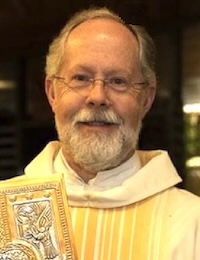
In the Diaconate section, you will find a weekly reflection by Deacon Peter McCulloch exploring the unique ministry of the permanent diaconate, using the Sunday scriptures as a foundation. This provides valuable insight into how deacons are called to serve the Church in charity, word, and liturgy. It is an excellent resource for those seeking to understand this vital vocation or for anyone looking to connect the scriptures to a life of active service.
Word and Art
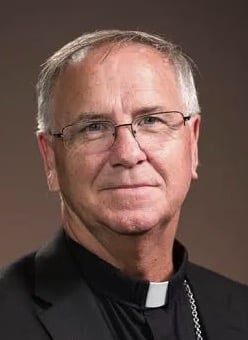
Word and Art features an engaging weekly video series presented by Bishop John P. Dolan of the Diocese of Phoenix. Drawing upon his academic background in church art and architecture, Bishop Dolan explores the Sunday readings through the rich visual tradition of the Church. This visual meditation helps bring the biblical narrative to life, revealing the deep connections between sacred scripture and sacred beauty.
Faith & Film
Faith and Film bridges the gap between secular culture and the sacred by showcasing both mainstream and religious media that resonate with the themes of the Sunday readings. By analyzing the narratives, characters, and moral dilemmas depicted on screen, this section demonstrates how the enduring truths of scripture echo throughout modern storytelling.
Holy Ads
The Holy Ads section takes a unique approach to evangelization by highlighting television commercials that surprisingly align with the messages of the Sunday readings. This creative exploration challenges readers to find glimpses of grace and moral reflection in the most unexpected places, proving that the search for meaning and truth permeates all aspects of media and commerce.
Faith Talk
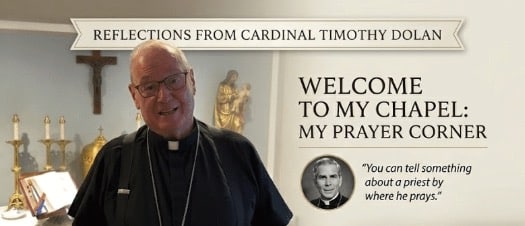
Featuring a concise, one-minute reflection by Cardinal Timothy Dolan, Faith Talk delivers a sharp and spiritually nourishing insight perfectly suited for busy schedules. With his trademark warmth and pastoral clarity, Cardinal Dolan unpacks a core truth from the liturgy, giving you a focused spiritual takeaway to carry through your day.
Vocations to the Priesthood

The Vocations to the Priesthood essay draws a direct line between the Sunday readings and the call to priestly ministry. By exploring the scriptural models of sacrifice, leadership, and pastoral care, this section encourages prayer for vocations while offering profound reflections on the nature of the priesthood for both those discerning and those supporting them.
Soul Care
Recognizing the deep connection between spiritual and mental wellbeing, Soul Care provides a weekly essay that links the Sunday readings to emotional and psychological health. This section offers practical, faith-based wisdom for navigating anxiety, grief, relationships, and personal growth, ensuring that the healing message of the Gospel reaches the whole person.
Pro-Life Reflection
The Pro-Life Reflection section examines the Sunday readings through the lens of the Church’s commitment to the dignity of human life. It offers thoughtful commentary on how the scriptures challenge us to protect and cherish life from conception to natural death, providing spiritual grounding for advocacy and compassionate action.
Formed
For those looking to go deeper through digital media, the Formed section highlights upcoming on-demand videos and Catholic content curated for the current week. This acts as a viewing guide to high-quality Catholic teaching, documentaries, and entertainment that align with the liturgical calendar and ongoing spiritual formation.
Catholic Press
Finally, the Catholic Press section keeps you informed with the latest Catholic news headlines. To make it easy to follow both local and national Catholic journalism, this section features a comprehensive index of links to all major Catholic diocesan newspapers and magazines. By staying connected to the universal Church—from the happenings in your own diocese to international reporting—readers can see how the timeless truths proclaimed on Sunday are being lived out, challenged, and defended in today’s world.
Theology, Apologetics & Evangelization
These channels focus on explaining and defending the Catholic faith, often engaging with modern culture and other viewpoints.
- Bishop Robert Barron (Word on Fire): One of the most influential voices in the Church, offering cultural commentary, movie reviews, and deep theological deep-dives.
- Ascension Presents: A powerhouse channel featuring popular figures like Fr. Mike Schmitz (known for the “Bible in a Year” and “Catechism in a Year” podcasts) and Fr. Josh Johnson, offering accessible videos on faith and life.
- Catholic Answers: The premier channel for Catholic apologetics, featuring live Q&A shows where apologists answer tough questions from callers.
- Pints with Aquinas (Matt Fradd): Long-form interviews and discussions on theology, philosophy, and culture, often over a drink.
- The Counsel of Trent (Trent Horn): Trent Horn, a Catholic Answers apologist, provides rebuttals to atheist and Protestant arguments, as well as commentary on current events.
- Jimmy Akin: A senior apologist at Catholic Answers known for his fairness and deep knowledge, covering everything from bizarre questions to deep theology.
- Breaking In The Habit (Fr. Casey Cole, OFM): A young Franciscan friar who offers fresh, accessible reflections on faith, vocations, and everyday life.
- Thomistic Institute: Excellent, high-quality animated videos and lectures explaining the philosophy and theology of St. Thomas Aquinas.
12th Sunday of Year A
PRACTICAL
ACTIONS
FIRST READING
Living as a Chosen People
- Set Aside a “Sinai Moment” Daily: The Israelites encamped at the base of the mountain to listen to God. Dedicate 10 to 15 minutes of uninterrupted silence each morning away from digital distractions to pray and listen for God’s voice before the day’s labor begins.
- Audit Your Influences: Being a “holy nation” means being intentionally set apart. Review your regular media consumption, habits, or environments this week, and identify one specific area where cultural trends are compromising your Christian values, replacing it with something that elevates your faith.
- Offer Everyday “Priestly” Intercession: Act as a bridge between God and others by actively interceding for your workplace, neighborhood, or family. Write down three specific people who do not practice a faith or who are struggling deeply, and commit to praying for their intentions by name every day this week.
SECOND READING
Responding to Radical Grace
- Practice Unconditional Reconciliation: Christ died for us while we were still “enemies.” Identify one relationship in your life strained by a lingering grudge or past offense. Take the first step toward peace this week by sending a text, making a phone call, or praying specifically for that person’s well-being without demanding an apology first.
- Catch and Correct Spiritual Pride: Pay close attention to your internal dialogue today. Whenever you catch yourself making a harsh, superior judgment about someone else’s moral failings, political views, or lifestyle choices, immediately pause and pray: “Lord, Jesus, you died for me while I was just as helpless as them.”
- Make a Daily Act of Total Trust: If Christ saved you while you were a sinner, He will not abandon you now. When anxiety or shame about your past mistakes creeps in, consciously repeat a simple breath prayer: “Jesus, I trust in Your unmerited mercy, and I refuse to live in self-condemnation.”
GOSPEL
Commissioned with Compassion
- Shift from Annoyance to Compassion: When you encounter difficult, disruptive, or broken people in public or online, consciously force yourself to look at them through Christ’s eyes. Instead of responding with irritation, whisper a quick, private prayer for them: “Lord, they are like sheep without a shepherd; show them Your care.”
- Commit to One Free Act of Service (“Without Cost”): You have received God’s grace entirely for free. Mirror this by performing a concrete act of service this week where you expect absolutely nothing in return—such as mowing a neighbor’s lawn, buying groceries for someone in need, or volunteering an hour of your professional skillset for free.
- Step Up as a Laborer: Don’t wait for “someone else” to fix a spiritual or emotional void in your community. If you notice a gap—such as a lonely relative who needs a phone call, a grieving friend who needs a meal, or a parish ministry that is short-handed—actively step into that harvest field and fill the need yourself.
12th Sunday of Year A

Parishes have permission to copy/paste this graphic in bulletin.
“For I hear the whispering of many: ‘Terror on every side! Denounce him! Let us denounce him!’ … But the Lord is with me as a dread warrior…” — Jeremiah 20:10-11
- Fear of Man vs. Fear of God: Have I allowed the fear of others’ opinions, ridicule, or rejection to dictate my actions or silence my faith?
- Trust in Trial: When experiencing isolation, misunderstanding, or betrayal, do I turn to anger and despair, or do I trust that the Lord stands beside me as a “dread warrior”?
- Gossip and Detraction: Have I been the one “whispering” or plotting against others? Have I participated in denouncing someone or damaging their reputation?
- Surrender: Do I truly commit my cause to God, or do I constantly try to take revenge and control outcomes through my own power?

Parishes have permission to copy/paste this graphic in bulletin.
“But the free gift is not like the trespass. For if many died through one man’s trespass, much more have the grace of God and the free gift in the grace of that one man Jesus Christ abounded for many.” — Romans 5:15
- The Reality of Sin: Do I take my personal sins seriously, recognizing their ripple effects on my life and the lives of those around me? Or do I rationalize and minimize my faults?
- Presumption vs. Despair: Have I abused God’s mercy by presuming I can sin now and just ask for forgiveness later? Conversely, have I despaired of His mercy, forgetting that His grace far abounds over my brokenness?
- Gratitude for Redemption: Do I live with a deep sense of gratitude for the “free gift” of salvation, or do I treat Christ’s sacrifice with indifference or complacency?
Parishes have permission to copy/paste this graphic in bulletin.
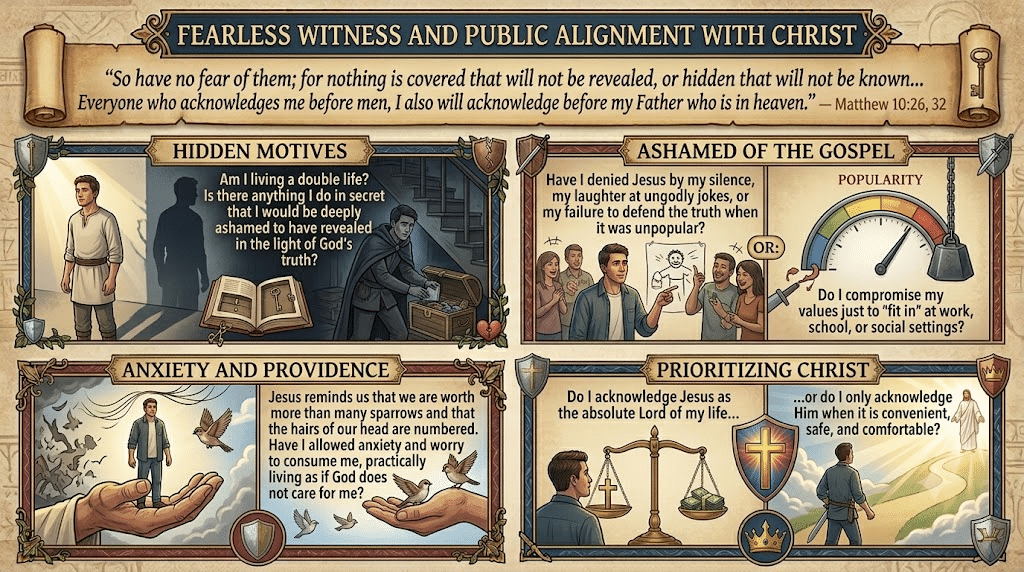
“So have no fear of them; for nothing is covered that will not be revealed, or hidden that will not be known… Everyone who acknowledges me before men, I also will acknowledge before my Father who is in heaven.” — Matthew 10:26, 32
- Hidden Motives: Am I living a double life? Is there anything I do in secret that I would be deeply ashamed to have revealed in the light of God’s truth?
- Ashamed of the Gospel: Have I denied Jesus by my silence, my laughter at ungodly jokes, or my failure to defend the truth when it was unpopular? Do I compromise my values just to “fit in” at work, school, or social settings?
- Anxiety and Providence: Jesus reminds us that we are worth more than many sparrows and that the hairs of our head are numbered. Have I allowed anxiety and worry to consume me, practically living as if God does not care for me?
- Prioritizing Christ: Do I acknowledge Jesus as the absolute Lord of my life, or do I only acknowledge Him when it is convenient, safe, and comfortable?
Non-profits have permission to copy and paste infographics into their publications.
12th Sunday of Year A
The Courage of the Sparrow
Gospel: Matthew 10:26–33
Theme: Do not be afraid — you are worth more than many sparrows.
McCulloch
(Diocese of Broken Bay)
In this Gospel, Jesus continues to commission His apostles, sending them like sheep in the midst of wolves. He is clear-eyed about the danger. He knows they will face opposition, and His antidote is not a strategy, but a promise. Three times He commands them: Do not be afraid.
Their courage is not to be rooted in their own strength, but in a profound, liberating truth: they are known and valued by the Father. “Even all the hairs of your head are counted… you are worth more than many sparrows.”
The deacon’s ministry of diakonia often places him precisely in these places of fear – at the bedside of the dying, in the home of the grieving, in the hospital corridor or the prison cell. His service is a living yes to Christ’s command, a witness that fear closes hearts, but love opens them. His entire vocation is to be a minister of this God-given courage.
AT MASS
Proclaiming Our Worth
The deacon’s liturgical role is to be the voice of Christ, speaking this same comfort and courage to the assembled flock.
• The Voice of Not Being Afraid: When the deacon proclaims this Gospel, he is not just reading a text; he is the instrument of Christ’s voice, speaking directly to the assembly’s hidden fears – fears of sickness, financial worry, loneliness, or failure.
• The Homily for the Sparrows: The deacon’s preaching on this text is a powerful opportunity. He is called to look out at the congregation, to see the sparrows – the people who feel overlooked, invisible, or worthless – and to proclaim with the authority of the Church, “You are worth more. You are precious. You are not forgotten.”
• Praying for the Fearful: In the Universal Prayer, the deacon brings the fears of the world to the altar, giving voice to those in hospital corridors, in prison cells, and in any struggling family or parish, asking for the peace that drives out all fear.
IN THE PARISH
The Ministry of Fearless Love
St. Francis said, “Where there is fear of the Lord, there the enemy cannot enter.” The deacon, as a man rooted in the fear of the Lord (awe and love, not terror), is called to be a non-anxious presence in the parish.
• A Non-Anxious Presence: In the midst of parish anxieties – budgets, programs, conflicts – the deacon’s steady, service-oriented presence is a living homily. He is the one who, rooted in faith, can calm fear simply by showing that God is near.
• Advocacy as Courage: “What I say to you in the darkness, speak in the light; what you hear whispered, proclaim on the housetops.” The deacon is called to be the courageous advocate for the “sparrows.” He must be the voice that speaks up for the poor, the unborn, the immigrant, or the marginalized, even when it is not popular.
AT THE MARGINS
The Presence in the Corridor
This is the heart of diakonia. The deacon is the Church’s first responder in the places of fear.
• The Heart of Christ: The deacon’s ministry is to serve without fear in the places of fear. He enters the chaotic emergency room, the tense home of a family in crisis, or the lonely room of the shut-in.
• Calming Fear by Being With: His presence is his primary tool. He may not have a fix for every situation, but his calm, listening, prayerful being with is the tangible assurance that You are not alone. God is here. You are not forgotten.
• Assurance of Value: When the deacon holds the hand of a dying person, listens to the story of a prisoner, or ensures a poor family is fed, he is doing more than a good work. He is, in that moment, the living voice of Christ, assuring that person, that “You are precious. You are worth more than many sparrows.” This service, with the heart of Christ Himself, is what opens the closed heart of fear to the light of love.
12th Sunday of Year A

Ordaining of the Twelve Apostles
by Bishop John P. Dolan
Diocese of Phoenix
The Mission of the Apostles by James Tissot
We’re looking at The Mission of the Apostles by James Tissot, painted between 1886 and 1894, and now held at the Brooklyn Museum. At first glance, it’s a quiet scene, but look again and you’ll notice something powerful. Everything is in motion. Jesus stands at the center, but the apostles are already beginning to move outward. This is not a moment of rest. It’s a moment of sending.
In today’s gospel from Matthew, Jesus looks upon the crowd with compassion, harassed and helpless like sheep without a shepherd. And what does he do? He doesn’t simply comfort them himself. He sends others. He calls the twelve, gives them authority, and sends them out. That word apostle means exactly that: one who is sent.
The Old Covenant: A People Formed to Be Sent
But if we only stop at the twelve, we miss the full picture. Because the first reading from the book of Exodus reminds us that God first turns to a people gathered at Mount Sinai and says, “You shall be my treasured possession, a kingdom of priests, a holy nation.” In other words, from the very beginning, God forms a people not just to belong, but to be sent. From Sinai to the twelve apostles, and now through baptism to each and every one of us.
The Tilma Vision: Moving in Faith
That’s what this painting captures so beautifully. The apostles are not seated. They’re not settled. They are already moving, because once you encounter Christ, you are never meant to stay in place. And this is at the very heart of our Tilma pastoral vision as we journey toward the 500th anniversary of Our Lady of Guadalupe. Think of Juan Diego. He encounters Our Lady, and what happens? He is sent—again and again, he is sent.
And now, so are we. We are not simply members of the church; we are not just participants. Through baptism, each of us becomes an apostle within the apostolic church to be sent into the world to bring the presence of Christ to others.
A Culture of Evangelization
And I have to say this, I am deeply proud. I am proud of our priests who continue to shepherd with compassion, just like the heart of Christ in this gospel. And I’m proud of our parish communities, where so many of our faithful are stepping forward, taking personal ownership of this mission, not waiting for someone else, but saying, “Send me.” This is how a culture of evangelization begins. Not programs alone, but people. Not ideas alone, but hearts on fire.
So today, as we reflect on this gospel, and as we look at this image, we might ask ourselves: where is Christ sending me? Because the harvest is abundant, and now, as then, he sends us.
12th Sunday of Year A
Gospel of Matthew - LUMO Project
LUMO PROJECT (MATTHEW 10:16-42)

Introduction
The Gospel of Matthew presents discipleship not as a path of passive contemplation, but as a journey of active, often perilous, public witness. Central to this calling is the Missionary Discourse of Matthew 10, wherein Jesus prepares the Twelve for the realities of a hostile world. Within this sermon, verses 26–33 serve as a vital pivot point—moving from warnings of impending persecution to an intense exhortation toward fearless proclamation, rooted in a profound trust in divine providence.
In cinematic adaptations of scripture, translating the dense, rhetorical weight of such discourses into a visual medium presents a unique challenge. The LUMO Project’s adaptation of The Gospel of Matthew (2014) addresses this by utilizing a word-for-word audio narration accompanied by meticulously researched, historically grounded dramatizations. By examining how the LUMO Project visualizes Matthew 10:26–33, one can appreciate how the film bridges the gap between text and sight, transforming Christ's ancient exhortation into a vivid, emotionally resonant narrative of courage, vulnerability, and radical trust.
Visualizing the Context of the Call
To understand the impact of the LUMO Project's treatment of Matthew 10:26–33, one must first consider its cinematic framing. Rather than staging the discourse in a stylized or heavily artificial environment, director David Batty places Jesus (portrayed by Selva Rasalingam) and the disciples in a rugged, sun-drenched, and dusty Judean landscape. The setting feels immediate and authentic, stripped of Hollywood romanticism.
When the narrator delivers the opening charge of this section—“So have no fear of them; for nothing is covered that will not be revealed, or hidden that will not be known” (v. 26)—the camera focuses on the intimate circle of the disciples. Their faces reveal a complex mixture of awe, uncertainty, and resolve. By anchoring these sweeping theological truths to the expressive, weathered faces of ordinary first-century men, the film underscores the human reality of Christ’s demands. The "hidden" truths are not abstract philosophical concepts; they are the lived realities of faith that these specific men are being tasked to bring into the blinding light of public square.
The Contrast of Light and Sound: Proclamation from the Housetops
Matthew 10:27 commands a radical shift in geography and volume: “What I tell you in the dark, utter in the light; and what you hear whispered, proclaim upon the housetops.” The LUMO Project beautifully translates this metaphor through its cinematic pacing and lighting.
The film often contrasts the intimate, low-light settings where Jesus instructs his followers "in the dark" with expansive, wide-angle shots of the open Galilean villages. When the narration shifts to proclaiming from the "housetops," the visual narrative transitions to show the disciples in motion, moving through public spaces and preparing to engage with crowds. Rasalingam’s portrayal of Jesus during these moments is characterized by an unblinking, earnest intensity. He does not speak with the detached authority of a monarch, but with the urgent, loving directive of a leader who knows exactly what his followers will face. The visual language implies that the private intimacy of their discipleship must inevitably yield to a public, inescapable alignment with Christ.
Balancing Fear and Worth: The Soul and the Sparrows
The emotional core of the discourse lies in verses 28–31, where Jesus balances an sobering warning about ultimate judgment with an incredibly tender reassurance of God’s intimate care. The text demands fear of Him “who can destroy both soul and body in hell” (v. 28), immediately followed by the reminder that not a single sparrow falls to the ground apart from the Father's will (v. 29).
The LUMO Project handles this delicate tonal shift with remarkable nuance. As the narrator speaks of the destruction of soul and body, the atmosphere on screen grows somber. The camera captures the disciples absorbing the gravity of eternal stakes. However, as the script transitions to the imagery of the sparrows and the reassurance that “even the hairs of your head are all numbered” (v. 30), the visual tone softens.
The film relies heavily on naturalism here. Rather than using heavy-handed visual effects, the scene lets the natural environment speak. The inclusion of the local landscape—the wind moving through the dry grass, the simple reality of birds in the sky— grounds the promise of providence in the fabric of everyday creation. When Jesus looks at his disciples as the narrator declares, “Fear not, therefore; you are of more value than many sparrows” (v. 31), the cinematography captures a profound sense of relief and reassurance. The film emphasizes that the fear of God is not a paralyzing terror, but a holy awe that frees the believer from the paralyzing fear of mortal men.
The Climax of Alignment: Public Confession
The discourse culminates in a definitive, binary choice regarding public alignment with Christ: “Everyone who acknowledges me before men, I also will acknowledge before my Father who is in heaven; but whoever denies me before men, I also will deny before my Father who is in heaven” (v. 32–33).
In the LUMO Project, this climax is depicted not as a triumphalist military briefing, but as a sober, deeply personal covenant. The cinematic focus narrows tightly onto the faces of individual disciples—Peter, John, and the others—as they look upon Jesus. The scene communicates that "acknowledging" Christ is an act of total surrender, requiring them to hold fast to their faith even when facing isolation, misunderstanding, or betrayal. By ending the segment on these intense, searching close-ups, the film invites the audience into the same space of self-examination. It forces the viewer to confront the same question written across the faces of the chosen twelve: Will I stand with Him when the cost is high?
Conclusion
The LUMO Project’s adaptation of Matthew 10:26–33 successfully elevates the biblical text by anchoring its profound theological weight to a gritty, authentic human experience. Through its careful use of natural lighting, deliberate pacing, and expressive character close-ups, the film powerfully illustrates the tension between the fear of man and the fear of God. It transforms Christ's ancient sermon into an enduring visual essay on the nature of fearless witness, reminding viewers that public alignment with Christ requires total surrender—backed by the unshakeable promise that the Creator of the universe watches over them with fierce, providential love.
Calvary (2014)

Calvary (2014) opens with one of the most arresting first lines in modern cinema. While sitting in the confessional, an unseen man tells Father James that he was brutally abused as a child by a now-deceased priest. The anonymous penitent explains that destroying a bad priest achieves nothing; instead, he intends to make a statement by killing a good priest. He gives Father James exactly seven days to put his affairs in order, promising to murder him on the beach the following Sunday.
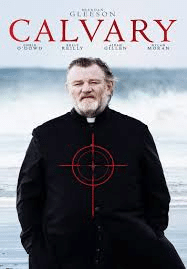
Thematic Alignment: Jeremiah 20:10–11
The Core Themes: Enduring isolation and misunderstanding, being a scapegoat for the sins of others, facing mocking and detraction from a cynical community, and standing firm as a peaceful witness in the face of death.
The Appointment on the Beach: Father James, a good and faithful parish priest in a cynical Irish town, walks down to a bleak, windswept beach on a Sunday afternoon. He knows he is going to meet a deeply damaged man who has promised to murder him simply as a symbolic execution for the sins of the wider Catholic Church. As he stands on the shore, completely isolated, facing his killer, he doesn’t respond with anger, vengeance, or theological arrogance. He offers only profound empathy, vulnerable truth, and absolute forgiveness, even as the gun is raised against him.
Theological Connection: Father James walks directly into the reality of what is said in this Sunday’s first reading: “For I hear the whispering of many: ‘Terror on every side! Denounce him! Let us denounce him!’ All my close friends are watching for my fall.” (Jeremiah 20:10)
The entire film sees James mocked and unappreciated by his community. Yet, his willingness to stand on that beach without taking vengeance into his own hands demonstrates a complete surrender of his cause to God, trusting that even in physical defeat, the Lord stands beside him as a spiritual shield.\
High Noon (1952)

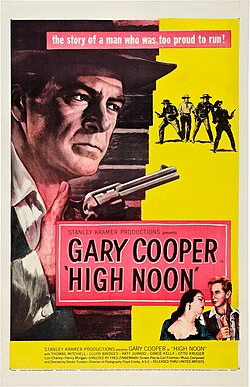
Set almost entirely in “real-time” over the course of a single, blazing Sunday morning, the story follows Marshal Will Kane (Cooper) on the day of his retirement and marriage to his Quaker bride, Amy (Kelly). Just as they prepare to leave the town of Hadleyville, word arrives that Frank Miller—a vicious outlaw Kane put away years prior—has been pardoned and is arriving on the noon train to seek bloody revenge.
Thematic Alignment: Matthew 10:26–28 & Jeremiah 20:10–11
The Core Themes: Overcoming the fear of man, the cowardice of a community that compromises its values to stay safe, and the lonely duty of standing up for justice when everyone else abandons you.
The Church Meeting: Marshal Will Kane walks into the crowded town church, desperately seeking deputies to help him defend the town against a gang of killers arriving on the noon train. Instead of finding a courageous community ready to defend the peace, he is met with excuses, rationalizations, and political hand-wringing. The townspeople argue that a gunfight will hurt property values, or that it’s Kane’s personal problem. One by one, his “friends” and neighbors turn their backs, leaving him to walk out of the church completely alone into the blinding, empty midday sun to face his executioners.
Theological Connection: This classic western scene perfectly mirrors the social dynamic of Jeremiah 20:10 and the explicit warning of Matthew 10:26–28. The townspeople are entirely consumed by the “fear of man”—fear of losing their lives, their comfort, and their social standing. They allow anxiety to dictate their actions and silence their moral duty. Will Kane, conversely, rejects the fear of others’ opinions or the threat of mortal death, exemplifying the lonely, resolute path of a witness who values ultimate truth over convenient public approval.
12th Sunday of Year A
Stir Things Up
Coffeemate (2017)

Matthew 10:26-33
Scriptural Echo: “So do not be afraid; you are of more value than many sparrows… Everyone who acknowledges me before others, I also will acknowledge before my Father…” (Mt 10:31-32).
The Breakdown: In this poignant commercial, a woman is anxiously preparing for her first day back to work after undergoing chemotherapy. Stepping out into the public eye after a life-altering trial brings immense vulnerability. Looking in the mirror, she makes the conscious decision to take off her wig, revealing her bald head. Her husband looks at her and calls her “stunning.” The tagline closes: “Today is a good day to stir up courage.”
The Weight of the Dark: The Burden of Hiddenness
Matthew 10 begins in a climate of intense vulnerability. Jesus is sending his disciples out into a world filled with uncertainty and potential hostility, describing them as sheep among wolves. The immediate, self-protective instinct in such an environment is concealment—to keep one’s true state, struggles, or convictions safely under wraps to avoid the staring eyes or judgments of others. Jesus addresses this paralyzing instinct directly:
"So have no fear of them, for nothing is covered that will not be revealed, or hidden that will not be known." (Matthew 10:26)
Christ acknowledges that keeping a vital truth "covered" is an exhausting, unsustainable state of being.

This is precisely where the emotional narrative of the Coffeemate commercial begins. The protagonist carries the heavy, quiet anxiety of stepping out into the public eye after a life-altering trial. Cancer and chemotherapy leave deep physical and emotional marks, and the wig serves as a literal cover—a shield against the vulnerability of public perception. To wear it is to manage how she is perceived, protecting herself from the collective gaze of a world that often pities or misunderstands suffering. The "dark" here represents a state of self-preservation that, while comforting at first, ultimately acts as a barrier to true visibility. Both the Gospel text and the commercial understand that hiding is a defense mechanism born of fear: fear of judgment, fear of exposed brokenness, and fear of the societal "them" that Jesus warns against.
Stepping Into the Light: The Proclamation of Reality
The turning point in both narratives is an act of radical exposure. Jesus commands his followers:
"What I tell you in the dark, utter in the light; and what you hear whispered, proclaim upon the housetops." (Matthew 10:27)
The gospel demands a transition from the whispered, interior spaces of our lives to a boldly proclaimed exterior reality. It is an insistence that truth, by its very nature, cannot remain submerged or masked.
In the commercial, this theological directive finds a powerful cultural analogue before the bathroom mirror. The woman makes a conscious, profound decision to remove the wig, revealing her bald head. In doing so, she chooses to "stir up courage" and disrupt the safe, quiet status quo of hiddenness by stepping into the light of authentic transparency. This act is her own way of "proclaiming from the housetops." She refuses to let the fear of public perception dictate the boundaries of her existence or diminish the reality of the trial she has survived. To show up authentically means recognizing that the internal cost of hiding—the stifling of one's true spirit—has finally exceeded the external risk of being truly seen.
Valued Beyond Measure: Confronting the "Killers of the Soul"
The most profound theological connection lies in how both pieces handle the consequences of this terrifying vulnerability. Stepping into the light is frightening because exposure brings the risk of judgment. Jesus confronts this head-on, urging his followers not to fear those who can harm the body but cannot touch the soul (Matthew 10:28). He then immediately pivots to a tender image of cosmic validation: the sparrows.
"Are not two sparrows sold for a penny? And not one of them will fall to the ground apart from your Father. But even the hairs of your head are all numbered. Fear not, therefore; you are of more value than many sparrows." (Matthew 10:29-31)
This imagery is incredibly poignant when juxtaposed with the reality of chemotherapy, where the literal loss of the "hairs of your head" becomes the ultimate symbol of the trial. Jesus asserts that even in this state of bareness, nothing is lost on the Creator.
The Coffeemate commercial captures this exact spiritual relief through human relationship. As the woman stands exposed and vulnerable, her husband looks at her and calls her "stunning." This moment mirrors the divine reassurance of the Gospel: the anxiety of "what people will think" is a phantom that threatens to paralyze the spirit, but true security is found in being deeply known and deeply loved. The husband's validation echoes the Father’s assurance that her worth is absolute, unchanged by the loss of her hair or the marks of her battle. She can step into the light because her value is already anchored in love.
Fear Is Everywhere
SimpliSafe – Super Bowl Commercial (2019)

Jeremiah 20:10-13 & Matthew 10:26-3
This commercial satirizes the overwhelming cultural anxiety of modern life. It features a narrator walking through a world bombarded by constant terrifying headlines, local gossips, alarming warnings, and a ambient culture of paranoia (“Porch pirates,” “Robots taking your job,” “Wheat bread is bad for you”).
The Cultural Soundscape: "Terror on Every Side"
The psychological landscape of the SimpliSafe commercial is a direct echo of the prophet Jeremiah’s ancient anguish. Buffeted by political instability and personal betrayal, Jeremiah laments:
“I hear the whispering of many: ‘Terror on every side!’ ‘Denounce him! Let us denounce him!’ say all my close friends, watching for my fall.” (Jeremiah 20:10)

Jeremiah’s world, much like our own, was an echo chamber of anxiety. The "whispering of many" in the ancient Near East has simply been upgraded to push notifications, 24-hour news cycles, and neighborhood social media apps.
The commercial masterfully simulates this claustrophobic environment. The narrator isn't just warning the audience about actual, immediate physical threats; he is swimming in an ocean of potential disasters. This is the definition of anxiety: the paralysis of the spirit caused by the anticipation of future harm. When fear is everywhere, trust is nowhere. Neighbors become potential threats, technology becomes an enemy, and even daily sustenance becomes suspect. Jeremiah felt this exact isolation—the sense that the world was closing in and that he could not let his guard down for a single moment without risking destruction.
The False Gospel of the Barricade
Where the commercial and Scripture diverge is in their prescription for this shared human condition. The commercial identifies the problem of ambient fear and pitches a clear savior: a home security system. The underlying logic is intuitive and deeply human: if the world outside is an unpredictable storm of "terror on every side," the only logical response is to fortify the perimeter. Secure the doors, lock the windows, arm the sensors, and retreat into an insulated, controlled sanctuary.
This is the false gospel of the barricade. It promises that peace of mind can be purchased and that safety is a matter of sufficient infrastructure. However, from a theological perspective, this remedy is an illusion. A security system can protect a house, but it cannot secure a soul. In fact, reacting to a culture of fear by building higher walls often backfires; it validates the paranoia, trapping the individual inside a fortress of their own making. It fosters a spirit of isolation, teaching us to view our communities not as places of ministry or connection, but as combat zones to be monitored through a lens.
The Radical Remedy: Sovereign Care Over Counter-Measures
In Matthew 10, Jesus sends his disciples out into a world that looks remarkably like the one Jeremiah feared and SimpliSafe satirizes. He explicitly warns them of wolves, trials, and public betrayal. Yet, precisely in the middle of acknowledging these terrifying realities, Jesus delivers a radical command that cuts through the ambient noise of paranoia:
"So have no fear of them, for nothing is covered that will not be revealed, or hidden that will not be known... And do not fear those who kill the body but cannot kill the soul." (Matthew 10:26, 28)
Instead of telling his followers to purchase armor, build fortresses, or hide in the dark, Jesus offers a drastically different remedy for fear: total, radical reliance on Divine providence.
Jesus shifts the focus from the chaotic external world to the unchanging internal reality of the Father’s love. He uses the most mundane, insignificant creations to illustrate this cosmic security:
"Are not two sparrows sold for a penny? And not one of them will fall to the ground apart from your Father. But even the hairs of your head are all numbered. Fear not, therefore; you are of more value than many sparrows." (Matthew 10:29–31)
This is the ultimate theological contrast to the SimpliSafe commercial. The commercial tells us that because the world is dangerous, we must become hyper-vigilant managers of our own safety. Jesus tells us that because the world is dangerous, we must remember we are infinitely valued by a sovereign God. The antidote to fear is not a lack of danger, but the presence of an intimate Creator. When we realize that the one who governs the universe knows us down to the very number of hairs on our heads, the whispering of "terror on every side" loses its paralyzing power.
Find Your Greatness — Jogger
Nike (2012)
Matthew 10:26-33 & Romans 5:12-15
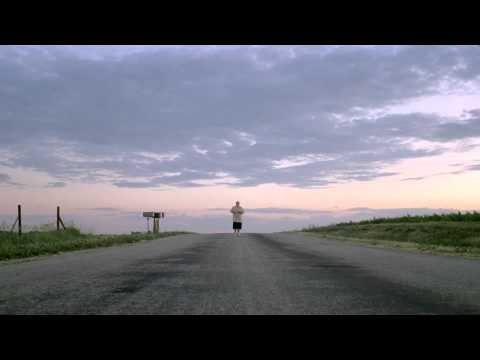
This famous, minimalist commercial features a single, unedited, wide shot of an overweight boy named Nathan slowly jogging down an empty, sunlit rural road toward the camera. There are no flashing lights, no cheering crowds, and no stadium. The voiceover challenges the idea that “greatness” is a rare spark reserved only for genetic prodigies, asserting instead that it is something we all possess if we have the courage to try.
Stepping Out of the Shadows: Intrinsic Value Over Public Judgment

The emotional weight of the "Jogger" commercial lies in its absolute minimalism. There are no cheering crowds, no flashing lights, and no finish lines. There is only Nathan, the heat rising from the asphalt, and the heavy sound of his own breathing. In a culture obsessed with physical perfection, an overweight adolescent running on an open road is an act of immense vulnerability. Nathan is exposed to the potential judgment, pity, or ridicule of any passing car.
This internal battle against the paralysis of shame and public perception is precisely what Jesus addresses in Matthew 10. Sending his disciples into a world that will judge and oppose them, Jesus commands them to step out of the shadows:
"So have no fear of them, for nothing is covered that will not be revealed, or hidden that will not be known... Fear not, therefore; you are of more value than many sparrows." (Matthew 10:26, 31)
Nathan’s slow, steady movement down that empty road perfectly visualizes the shift from hiding a personal reality in the dark to stepping boldly into the light. He has left behind the safety of hidden insecurity. By choosing to move, he rejects the fear of "them"—the cultural critics who dictate what a runner is supposed to look like. Jesus grounds human courage in the radical assurance of divine care, noting that even the hairs of our heads are numbered. Nathan’s jog echoes this theological truth: his effort matters, and his worth is not contingent upon reaching an elite destination. The value is already present in the soul who refuses to be paralyzed by fear.
Breaking the "Inherited Law": The Inclusive Gift of Grace
While Matthew highlights the courage to overcome fear, Paul’s letter to the Romans provides the structural theological framework for why that boundary wall has been torn down. In Romans 5, Paul contrasts the universal condemnation inherited through Adam with the universal grace offered through Jesus Christ:
"But the free gift is not like the trespass. For if many died through one man's trespass, much more have the grace of God and the free gift by the grace of that one man Jesus Christ abounded for many." (Romans 5:15)
In this passage, Paul articulates a radical leveling of the human condition. Under the old law of sin and death, humanity was trapped under an inherited, broken status. But Christ introduces an inclusive grace that completely bypasses human achievement or genetic lineage. It is a free gift that "abounded for many," transforming a closed system into an open invitation.
The voiceover of the Nike commercial operates on a remarkably similar thematic frequency. It directly challenges the "inherited law" of athletic culture, stating: "Greatness is not some rare DNA strand. It’s not some precious commodity... Greatness is no more rare than breath. We are all capable of it. All of us." By redefining greatness not as an exclusive inheritance for prodigies but as something as common as breath, the commercial acts as a secular echo of Paul’s theology of grace. It rejects the elitist narrative that says only the physically "righteous" or naturally gifted are worthy of the road. Just as the gospel replaces the rigid, exclusionary demands of performance with the wide-open gift of grace, the commercial democratizes the concept of greatness. The road does not ask for Nathan's credentials; it simply invites him to move forward.
12th Sunday of Year A

VIEWING GUIDE

Finding Christ in Our Prayer Corners
AT A GLANCE
In this brief but profound reflection, Cardinal Dolan invites us to look closely at the focal point of his sanctuary: a cherished crucifix gifted to him by two faithful parishioners from St. Elizabeth’s Parish in Kansas City, Missouri. Through this sacred image, he reminds us of the profound connection between our personal prayer lives, the sacrifice of the Mass, and the communion of the faithful who shape our journeys.
The Sanctuary of Prayer: Just as a priest’s chapel reveals his interior life, our personal “prayer corners” reflect our desire for intimacy with God. Creating a dedicated space for prayer grounds our daily routine in the divine.
The Centrality of the Cross: The crucifix remains the dominant feature of any holy space. It is a visual anchor reminding us that the Holy Sacrifice of the Mass is the dynamic continuation of Christ’s perfect sacrifice on Calvary.
The Communion of Saints in Our Lives: Sacred objects, like the Cardinal’s gifted crucifix, are not mere decorations. They are tangible reminders of the living body of Christ—the faithful people whose prayers, witness, and love accompany and sustain us in our vocations.
QUESTIONS FOR REFLECTION
- Where is your altar? If someone were to look at the physical spaces in your home, would they be able to find a place where you regularly encounter God? How does your environment reflect your interior priority for prayer?
- Beholding the Crucifix: When you look upon the cross during Mass or in personal prayer, do you see it as a historical event, or do you recognize it as a present reality—the ongoing sacrifice of Christ offered for you today at the altar?
- The Cloud of Witnesses: Who are the “faithful parishioners” or loved ones in your own life who have left an indelible mark on your faith journey? How do you keep their memory and their witness alive in your daily prayers?
ACTIONABLE TAKEAWAY
- Establish a “Prayer Corner”: If you don’t already have one, dedicate a small, quiet space in your home solely for prayer. Place a Bible, a candle, or a meaningful spiritual book there to designate it as holy ground.
- Exalt the Crucifix: Make a crucifix the dominant feature of your prayer space. Before beginning your prayers each day, spend one full minute in silence simply gazing at Christ on the cross, letting His sacrifice re-center your heart.
- Pray in Gratitude for Your Community: Choose a physical object in your home that was gifted to you by a person of faith. Use it as a prompt this week to offer a specific prayer of thanksgiving for them and for all the people who have built up your faith.
This viewing guide was generated by AI before editing
12th Sunday of Year A
Download PDF (High Resolution)
Non-profits have permission to use in their ministry.
The Courage of the Called
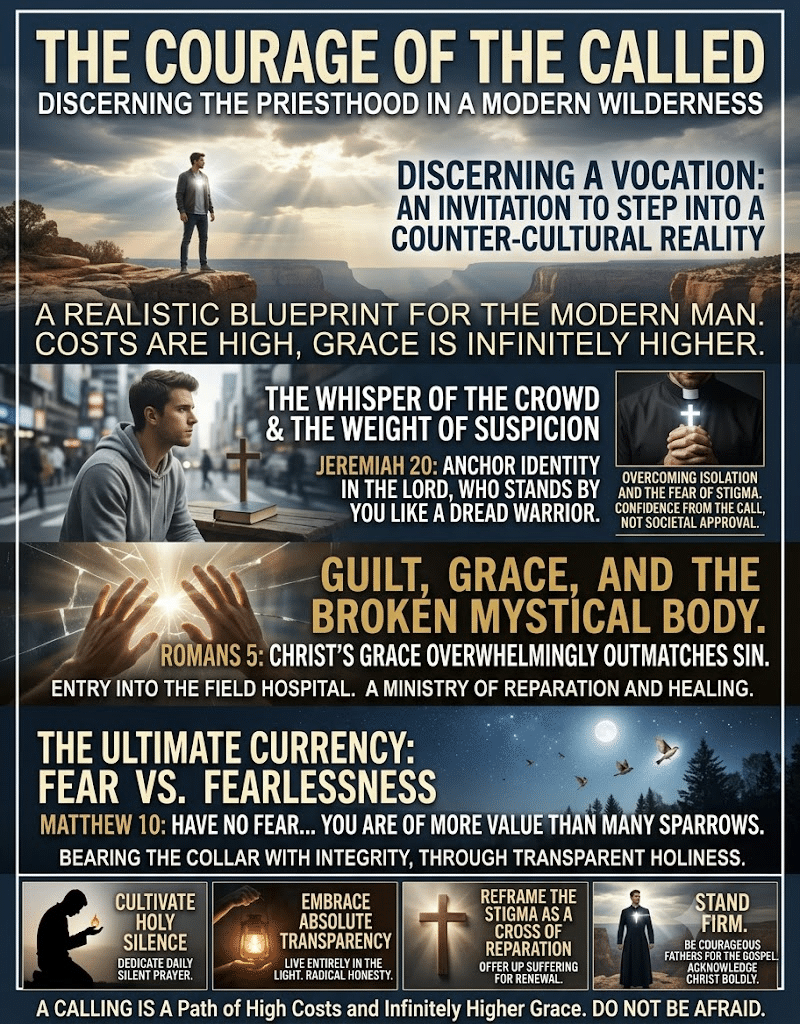
There is a quiet, persistent ache that accompanies a vocation to the priesthood. Whether you are just beginning to look at this desire with a mix of awe and terror, or you are already walking the hallways of a seminary, you have likely realized that a calling is not a path of easy comfort. It is an invitation to step into a counter-cultural reality. The readings for this Sunday—Jeremiah 20:10-13, Romans 5:12-15, and Matthew 10:26-33—do not offer a romanticized view of ministry. Instead, they provide a realistic, deeply comforting blueprint for the modern man discerning the altar. They remind us that while the costs of the priesthood are high, the grace provided is infinitely higher.

The Weight of Suspicion
To discern a priesthood today is to invite misunderstanding. In Jeremiah 20, we find the prophet at his lowest point, hearing the “whispering of many” and watching his closest friends wait for his misstep, saying, “Perhaps he will be trapped, then we can prevail against him.”
If you are discerning in the 21st century, you know this isolation intimately. Secular culture often views the priesthood with skepticism, pity, or outright hostility. For a young man today, however, the “whispering” carries a uniquely painful sting. One of the heaviest psychological and spiritual hurdles in modern discernment is the agonizing fear of being unfairly stigmatized. Due to the devastating sins and crimes of the abuse crisis within the Church, entering the priesthood means inheriting a collective trauma. Young men often harbor a quiet, suffocating dread: If I put on the collar, will people look at me with suspicion? Will I be automatically perceived as a monster or a child abuser?
This fear can lead to a form of spiritual paralysis. Yet, like Jeremiah, you likely find that this calling is a “burning fire shut up in my bones” that you cannot hold back. The solution to this modern, painful stigma is not to shrink away in shame for sins you did not commit, but to anchor your identity in the Lord, who stands beside you “like a dread warrior.” Your confidence cannot come from societal approval or an untarnished institutional reputation; it must come from the one who called you to help heal His broken flock.

Guilt, Grace, and the Broken Mystical Body
It is easy for a young man in discernment to look at the collateral damage of the Church’s history and feel entirely inadequate, or even contaminated by association. Here, St. Paul’s letter to the Romans offers profound theological medicine. Paul contrasts the cosmic weight of Adam’s sin with the overwhelming torrent of Christ’s grace:
“But the free gift is not like the trespass. For if many died through one man’s trespass, much more have the grace of God and the free gift by the grace of that one man Jesus Christ abounded for many.”
Theologically, the priesthood is inextricably tied to Christ’s suffering on the Cross. To enter the priesthood today is to enter a field hospital. You are not being called to a position of prestige, but to a ministry of profound reparation. By stepping forward in purity, transparency, and humility, your vocation becomes an act of counter-cultural resistance against the mystery of iniquity. The Church does not need men who ignore the wounds of Christ’s Mystical Body; she needs men who look at those wounds, recognize that grace vastly outmatches sin, and offer their lives to be part of the purging and healing process.
Fear vs. Fearlessness
In the Gospel of Matthew, Christ speaks directly to the core anxiety of every seminarian and discerning young man: the fear of false perception and exposure. He commands,
“Have no fear of them, for nothing is covered that will not be revealed.”
He warns us not to fear those who can kill the body or destroy a reputation, but cannot kill the soul.
We live in a culture dominated by instant judgment and deep institutional distrust. For a young man considering the collar, the fear of being misjudged can feel like too heavy a cross to bear. Christ cuts through this terror with the image of the sparrows, reminding you that the Father notes every hair on your head.
“Fear not, therefore; you are of more value than many sparrows.”
If God is calling you, He will give you the broad shoulders needed to bear the weight of the collar with integrity, proving the skeptics wrong not through defensive arguments, but through a life of transparent holiness.
Practical Steps for the Journey
To translate these profound scriptures into your daily discernment, consider three practical applications:
- Cultivate Holy Silence: Jeremiah heard the whispers of the crowd, but he also heard the voice of God. Disconnect from the digital noise and the commentary sections. Dedicate time daily to silent prayer before the Blessed Sacrament, letting the Father validate your true identity.
- Embrace Absolute Transparency: The antidote to the stigma of abuse is a life lived entirely in the light. Practice radical honesty with your spiritual director, your formation faculty, and your peers. True spiritual fatherhood requires a heart with nothing to hide.
- Reframe the Stigma as a Cross of Reparation: When you feel the sting of suspicion, offer that suffering up for the victims of abuse and for the renewal of the priesthood. Let the unfair judgment refine your motives, ensuring you seek only to serve, not to be honored.
Stand Firm
The world does not need reluctant bureaucrats in vestments; it needs courageous fathers who are willing to face suspicion for the sake of the Gospel. Do not be afraid of the wilderness of discernment or the shadows that hang over the institutional Church. Acknowledge Christ creatively, safely, and boldly in your daily life, and take heart in His closing promise:
“Everyone who acknowledges me before men, I also will acknowledge before my Father who is in heaven.”
Turn your gaze away from the critics, trust the abundance of grace, and take the next step forward.
Parts of this essay were generated by AI before editing
12th Sunday of Year A
The Strength to Hold Fast
For a modern teenager, walking into a high school hallway can sometimes feel like stepping into an arena. The pressure to conform is not just a subtle nudge; it is an all-encompassing cultural current. Whether it is the expectation to join in on casual gossip, compromise personal integrity for social status, or stay silent when absolute truths are mocked, the world relentlessly demands assimilation. To openly live a Catholic faith in this environment requires something much deeper than mere habit. It demands a fierce, resilient courage.
This exact tension is not new. In fact, the scriptures for this Sunday—spanning from the anxieties of the prophet Jeremiah to the bold declarations of Jesus—provide a profound roadmap for contemporary teens striving to live authentically in a world that often looks the other way.
Jeremiah and the Fear of Exclusion
It is easy to feel isolated when your values don’t align with the trending topics on social media. In the first reading, the prophet Jeremiah captures this psychological weight perfectly:
“I hear the whisperings of many: ‘Terror on every side! Denounce! let us denounce him!’ All those who were my friends are on the watch for any misstep of mine.” (Jeremiah 20:10)
Replace the ancient streets of Jerusalem with a modern high school locker room or a group chat, and the sentiment remains identical. Today’s teens face a hyper-visible world where “cancel culture” and social ostracization hang over their heads like a gavel. Choosing to step away from a party where substance abuse is normalized, or refusing to participate in the digital tearing-down of a classmate, can make a teenager feel exactly like Jeremiah—watched, judged, and waiting for a misstep.
Yet, Jeremiah’s response is where the shift happens. He does not capitulate. He declares that the Lord is with him like a “mighty champion.” For a teenager today, courage begins with this same realization: standing with Christ means you are never truly outnumbered. When a student chooses to pray before a meal in a crowded cafeteria or defends the dignity of human life during a classroom debate, they are tapping into that same divine companionship.
Grace Abounding in Romans
The pressure to conform often stems from a feeling that “everyone else is doing it.” In his letter to the Romans, Saint Paul acknowledges the reality of a fallen world, noting how sin entered the world and spreadsheeted to all. It is incredibly easy for a young person to adopt a defeatist attitude, assuming that the cultural current is simply too strong to swim against.
However, Paul offers a powerful counter-weight:
“But the gift is not like the transgression. For if by the transgression of the one the many died, how much more did the grace of God and the gracious gift of the one man Jesus Christ overflow for the many.” (Romans 5:15)
This text reminds teens that the grace available to them through the Sacraments—especially Holy Communion and Reconciliation—is radically more powerful than the peer pressure surrounding them. When a teenager makes the conscious choice to prioritize Sunday Mass over a Sunday morning sports tournament, or chooses modesty in a culture obsessed with self-exposure, they become vessels of this overflowing grace. They prove that a single life lived in truth can disrupt an entire environment of compromise.
The Call to Fearless Witness
Finally, in the Gospel of Matthew, Jesus addresses the core of teenage anxiety: the fear of what others think. He gives a direct command: “Fear no one. Nothing is concealed that will not be revealed, nor secret that will not be known. What I say to you in the darkness, speak in the light.” (Matthew 10:26-27)
In contemporary life, it is tempting for young Catholics to live a “dual life”—devout and reverent at youth group on Sunday night, but indistinguishable from the world on Monday morning. Jesus challenges teens to bring their faith out of the shadows. True courage is not the absence of fear, but the judgment that something else is more important.
Jesus grounds this courage in the Father’s intimate love, reminding us that even the hairs on our head are counted and that we are worth more than many sparrows. He concludes with a definitive line: “Everyone who acknowledges me before others I will acknowledge before my heavenly Father.” (Matthew 10:32)
The Ultimate Choice
When a teenager stands up for a peer who is being bullied, logs off an app that degrades their purity, or speaks openly about their love for Christ, they are acknowledging Him before others. It takes immense bravery to be a sign of contradiction. But by anchoring themselves in the reassurance of Jeremiah, the grace of Romans, and the mandate of Matthew, modern teens can find the strength to realize that fitting in with the world is nothing compared to belonging to God.
Parts of this essay were generated by AI before editing
12th Sunday of Year A

The Inherent Value of Being
The contemporary debate surrounding the pro-life movement is often framed purely in the language of politics, bodily autonomy, or clinical definitions. Yet, for the Christian, the defense of human life from conception until natural death rests on a far deeper foundation: the radical truth that every single human person is willed, known, and fiercely loved by God. Defending this truth in a culture that frequently measures a person’s worth by their utility, independence, or economic viability requires immense spiritual and moral fortitude.
This Sunday’s scripture readings provide a profound framework for this defense, mapping out the psychological, structural, and spiritual realities of advocating for the most vulnerable among us.
The Cry of the Defenseless
The pro-life movement often finds itself at odds with mainstream cultural narratives. Those who speak up for the unborn can experience a distinct sense of social isolation or hostility. In the first reading, the prophet Jeremiah describes a culture of denunciation that feels incredibly familiar today:
“I hear the whisperings of many: ‘Terror on every side! Denounce! let us denounce him!’ All those who were my friends are on the watch for any misstep of mine.” (Jeremiah 20:10)
In contemporary public discourse, advocating for the unborn—whether on a university campus, in corporate settings, or on digital platforms—frequently invites immediate backlash. The “whisperings” have evolved into online cancellation, public mockery, or social ostracization. It is a modern arena where standing for an absolute truth is treated as an offense.
Yet, Jeremiah does not capitulate to the pressure of the crowd. He anchors his confidence in the reality that
“the Lord is with me, like a mighty champion” and that God “has rescued the life of the poor from the power of the wicked” (Jeremiah 20:11, 13).
The pro-life mission mirrors this exact trust. When sidewalk counselors offer peaceful, prayerful alternatives outside abortion clinics, or when pregnancy resource centers provide free medical care, housing, and diapers to terrified expectant mothers, they act as instruments of that “mighty champion.” They stand in the gap for the poor and the completely powerless, refusing to let the fear of denunciation silence the truth.
Overcoming the Culture of Utility
The structural challenge to the pro-life message often stems from a societal worldview that Saint John Paul II famously termed the “culture of death”—an environment where human life is valued only if it is wanted, planned, or functional. Saint Paul’s letter to the Romans acknowledges the deep, systemic brokenness of a world impacted by sin, noting how a single transgression can reshape human history.
However, Paul offers a powerful promise of reversal:
“For if by the transgression of the one the many died, how much more did the grace of God and the gracious gift of the one man Jesus Christ overflow for the many.” (Romans 5:15)
The pro-life response to a broken culture cannot merely be a legal or political strategy; it must be an overflow of Christ’s grace. This means addressing the root causes that drive women toward abortion—such as poverty, domestic abuse, and lack of community support. When a parish community rallies around a single mother, providing financial stability and emotional accompaniment through initiatives like Walking with Moms in Need, they manifest this overflowing grace. They prove that Christ’s grace is bigger than the cultural failures surrounding them, transforming a crisis into an opportunity for life to flourish.he pastoral vision of Matthew’s Gospel, transforming an abandoned, troubled world into a sanctuary of radical, protective love.
Fearless Witness: The Gospel Mandate
Finally, in the Gospel of Matthew, Jesus addresses the core temptation faced by those who hold fast to traditional moral truths: the temptation to remain hidden or silent out of fear. He commands:
“What I say to you in the darkness, speak in the light; what you hear whispered, proclaim on the housetops. And do not be afraid of those who kill the body but cannot kill the soul.” (Matthew 10:27-28)
Living out a pro-life conviction requires stepping out of the shadows of passive agreement and into the light of active witness. It means having the courage to speak the truth in charity during a biology class, a family gathering, or a legislative debate, even when it is uncomfortable.
Jesus grounds this fearlessness in the Father’s meticulous, intimate care for creation: “Are not two sparrows sold for a small coin? Yet not one of them falls to the ground without your Father’s knowledge. Even all the hairs of your head are counted. So do not be afraid; you are worth more than many sparrows.” (Matthew 10:29-31)
If the Father cares so deeply for a common sparrow, how much more does He care for a newly formed human being in the womb, or a person dying in a hospice bed? The pro-life movement is, at its heart, a public declaration of this divine math. Every human life—no matter how small, how fragile, or how dependent—has an infinite, non-negotiable value.
The Ultimate Acknowledgment
Jesus concludes His instruction with a definitive call to authenticity:
“Everyone who acknowledges me before others I will acknowledge before my heavenly Father.” (Matthew 10:32).
To acknowledge Christ before others is to defend His creation. Because Christ chose to become a human embryo in the womb of Mary, He united Himself in a hidden way with every human life at its most vulnerable stage. When we speak for those who have no voice, when we support mothers in crisis, and when we affirm the dignity of the elderly and disabled, we are acknowledging the authorship of God. Empowered by the courage of Jeremiah, sustained by the grace of Romans, and driven by the mandate of Matthew, the pro-life witness remains an essential, fearless beacon of hope in the modern world.
Parts of this essay were generated by AI before editing
FORMED is a premier on-demand digital streaming platform dedicated to Catholic media. It is frequently described as a “Catholic Netflix.” Created by the Augustine Institute—in collaboration with Ignatius Press and over 100 other Catholic content providers—FORMED provides a vast library of faith-based media designed to help individuals, families, and parishes learn and grow in their faith.
RECENTLY ADDED



Many Catholic parishes purchase an annual subscription to FORMED for their congregation. If your local church has a subscription, you can usually sign up for a free account by entering your parish’s name or zip code on the site.

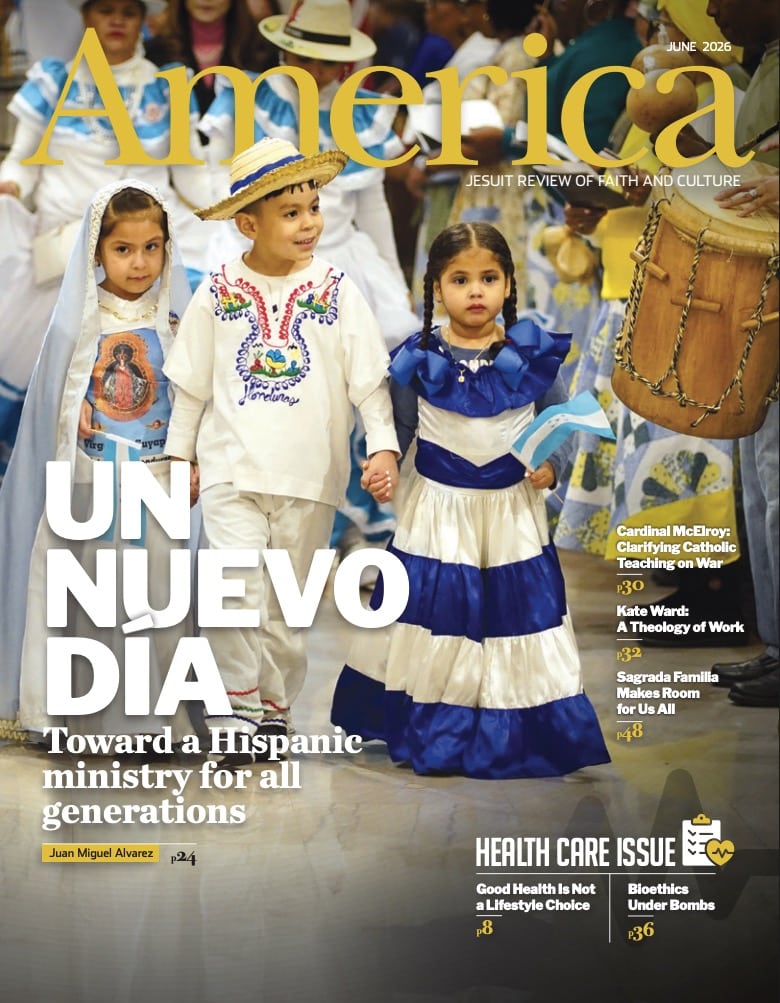
JUNE 2026
PDF (68 pages)
America Magazine: Published by the Jesuits, this leading national review is highly regarded for its thoughtful, nuanced commentary on religion, politics, and contemporary culture.
Commonweal: An independent, lay-edited journal of opinion that provides rigorous intellectual perspectives on faith, society, the arts, and public policy.
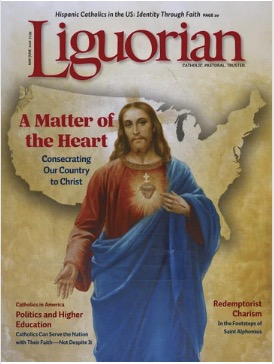
MAY-JUNE 2026
PDF (48 pages)
Liguorian is an award-winning Catholic magazine published since 1913 by the Redemptorists to provide spiritual guidance, pastoral messages, and inspiring stories, helping readers navigate modern life through faith. It acts as a trusted resource for Catholic spirituality, offering insights on faith, social justice, and daily Christian living.

U.S. Catholic: This publication focuses on everyday faith, social justice, and practical insights for living out Catholic teachings in modern, daily life.
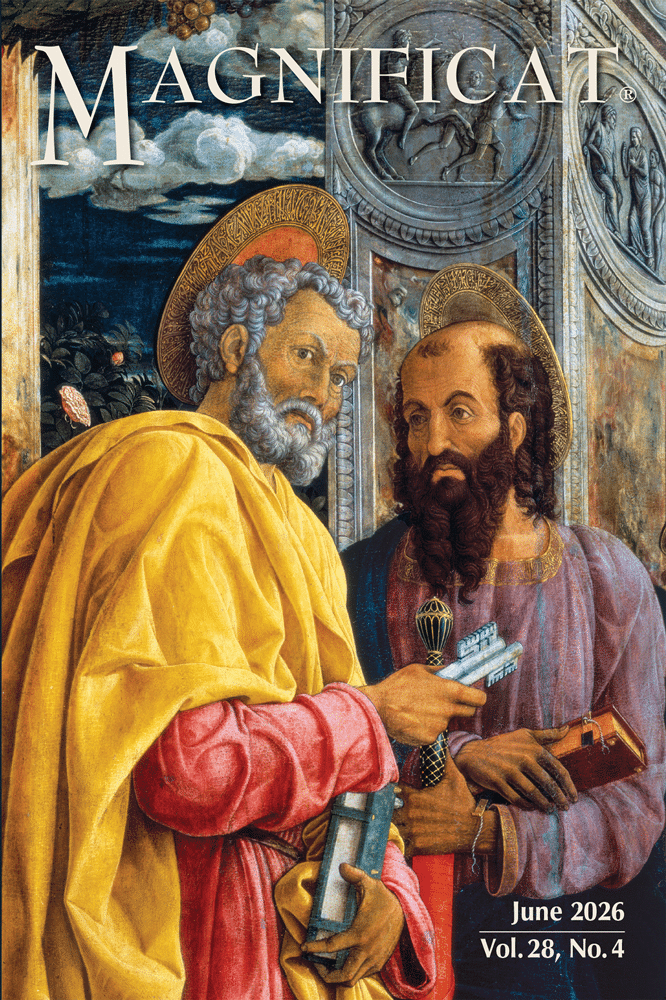
Magnificat: A beautifully designed monthly publication intended for daily use. It includes the texts of the daily Mass, morning and evening prayers, and spiritual reflections. Exploring its Spanish edition, Magnificat en Español, can also be an excellent way to weave language practice into a daily spiritual routine.
Catholic.com
12th Sunday of Year A
Scroll to view all 50 states
Alabama
- One Voice (Diocese of Birmingham)
- The Catholic Week (Archdiocese of Mobile)
Alaska
- The North Star Catholic (Archdiocese of Anchorage-Juneau)
- The Alaskan Shepherd (Diocese of Fairbanks)
- Missionary Disciples (Diocese of Fairbanks)
Arizona
- Voice of the Southwest (Diocese of Gallup)
- The Catholic Sun (Diocese of Phoenix)
- New Outlook (Diocese of Tucson)
Arkansas
- Arkansas Catholic (Diocese of Little Rock)
California
- Angelus Magazine | DIGITAL (Archdiocese of Los Angeles)
- The Catholic Voice | DIGITAL (Diocese of Oakland)
- The Catholic Herald | DIGITAL (Diocese of Sacramento)
- Orange County Catholic (Diocese of Orange)
- Catholic Herald (Diocese of Sacramento)
- Inland Catholic Byte (Diocese of San Bernardino)
- The Southern Cross | DIGITAL (Diocese of San Diego)
- Catholic San Francisco (Archdiocese of San Francisco)
- San Francisco Católico (Archdiocese of San Francisco)
- The Valley Catholic | DIGITAL (Diocese of San Jose)
Colorado
- The Colorado Catholic Herald (Diocese of Colorado Springs)
- Denver Catholic (Archdiocese of Denver)
Connecticut
- Fairfield County Catholic (Diocese of Bridgeport)
- The Catholic Transcript | DIGITAL (Archdiocese of Hartford)
- Four County Catholic | DIGITAL (Diocese of Norwich)
Delaware
- The Dialog (Diocese of Wilmington)
Florida
- Florida Catholic | E-EDITIONS (Archdiocese of Miami; Dioceses of Orlando, Palm Beach, Pensacola–Tallahassee, St. Augustine, Saint Petersburg, Venice)
Georgia
- The Georgia Bulletin (Archdiocese of Atlanta)
- Southern Cross (Diocese of Savannah)
Hawaii
- Hawaii Catholic Herald (Diocese of Honolulu)
Idaho
- Idaho Catholic Register (Diocese of Boise)
Illinois
- The Messenger (Diocese of Belleville)
- Chicago Catholic (Archdiocese of Chicago)
- Catolico (Archdiocese of Chicago)
- Christ is Our Hope (Diocese of Joliet)
- The Catholic Post (Diocese of Peoria)
- The Observer (Diocese of Rockford)
- Catholic Times (Diocese of Springfield)
Indiana
- The Message (Diocese of Evansville)
- Today’s Catholic News (Diocese of Fort Wayne–South Bend)
- Northwest Indiana Catholic (Diocese of Gary)
- The Criterion (Archdiocese of Indianapolis)
- The Catholic Moment | DIGITAL (Diocese of Lafayette)
Iowa
- The Catholic Messenger (Diocese of Davenport)
- The Catholic Mirror | DIGITAL (Diocese of Des Moines)
- The Witness (Archdiocese of Dubuque)
- The Lumen (Diocese of Sioux City)
Kansas
- Southwest Kansas Register (Diocese of Dodge City)
- The Leaven (Archdiocese of Kansas City)
- The Register | DIGITAL (Diocese of Salina)
- Catholic Advance (Diocese of Wichita)
- Avance Católico (Diocese of Wichita)
Kentucky
- Messenger (Diocese of Covington)
- Cross Roads | DIGITAL (Diocese of Lexington)
- The Record | DIGITAL (Archdiocese of Louisville)
- Western Kentucky Catholic (Diocese of Owensboro)
Louisiana
- Church Today (Diocese of Alexandria)
- The Catholic Commentator (Diocese of Baton Rouge)
- Bayou Catholic (Diocese of Houma–Thibodaux)
- Clarion Herald (Archdiocese of New Orleans)
- The Catholic Connection | DIGITAL (Diocese of Shreveport)
Maryland / Washington, DC
- The Catholic Review (Archdiocese of Baltimore)
- Catholic Standard (Archdiocese of Washington)
- El Pregonero (Archdiocese of Washington)
Massachusetts
- The Pilot (Archdiocese of Boston)
- The Anchor (Diocese of Fall River)
- SOPHIA | DIGITAL (Diocese of Springfield)
- The Catholic Free Press | DIGITAL (Diocese of Worcester)
Michigan
- Detroit Catholic (Archdiocese of Detroit)
- FAITH along Michigan’s 45th Parallel | DIGITAL (Diocese of Gaylord)
- Faith Grand Rapids (Diocese of Grand Rapids)
- The Good News (Diocese of Kalamazoo)
- FAITH (Diocese of Lansing)
- The U.P. Catholic (Diocese of Marquette)
- Great Lakes Bay | DIGITAL (Diocese of Saginaw)
Minnesota
- Our Northland Diocese (Diocese of Crookston)
- The Northern Cross (Diocese of Duluth)
- The Prairie Catholic (Diocese of New Ulm)
- Central Minnesota Catholic | DIGITAL (Diocese of Saint Cloud)
- The Catholic Spirit (Archdiocese of Saint Paul and Minneapolis)
- The Courier | DIGITAL (Diocese of Winona-Rochester)
Mississippi
- Gulf Pine Catholic | DIGITAL (Diocese of Biloxi)
- Mississippi Catholic | DIGITAL (Diocese of Jackson)
Missouri
- Catholic Missourian | DIGITAL (Diocese of Jefferson City)
- The Catholic Key | DIGITAL (Diocese of Kansas City–Saint Joseph)
- The Mirror (Diocese of Springfield–Cape Girardeau)
- St. Louis Review (Archdiocese of St. Louis)
- Catholic St. Louis | DIGITAL (Archdiocese of St. Louis)
Montana
- The Harvest (Diocese of Great Falls–Billings)
Nebraska
- West Nebraska Catholic | DIGITAL (Diocese of Grand Island)
- Southern Nebraska Register (Diocese of Lincoln)
- The Catholic Voice (Archdiocese of Omaha)
Nevada
- Desert Clarion (Diocese of Las Vegas)
- High Desert Catholic | DIGITAL (Diocese of Reno)
New Hampshire
New Jersey
- Catholic Star Herald (Diocese of Camden)
- The Catholic Spirit | DIGITAL (Diocese of Metuchen)
- The Catholic Advocate (Archdiocese of Newark)
- The Beacon | DIGITAL (Diocese of Paterson)
- The Monitor (Diocese of Trenton)
New Mexico
- Voice of the Southwest (Diocese of Gallup)
- Agua Viva (Diocese of Las Cruces)
- People of God (Archdiocese of Santa Fe)
New York
- The Evangelist (Diocese of Albany)
- The Tablet (Diocese of Brooklyn)
- The Catholic Union / The Catholic Union and Times (Diocese of Buffalo)
- Western New York Catholic (Diocese of Buffalo)
- The Good Newsroom (Archdiocese of New York)
- North Country Catholic (Diocese of Ogdensburg)
- Catholic Courier (Diocese of Rochester)
- El Mensajero Católico (Diocese of Rochester)
- The Long Island Catholic (Diocese of Rockville Centre)
- The Catholic Sun (Diocese of Syracuse)
North Carolina
- Catholic News Herald (Diocese of Charlotte)
- NC Catholics | DIGITAL (Diocese of Raleigh)
North Dakota
- Dakota Catholic Action | DIGITAL (Diocese of Bismarck)
- New Earth Magazine | DIGITAL (Diocese of Fargo)
Ohio
- The Catholic Telegraph (Archdiocese of Cincinnati)
- Northeast Ohio Catholic (Diocese of Cleveland)
- Catholic Times | DIGITAL (Diocese of Columbus)
- Steubenville Register (Diocese of Steubenville)
- The Catholic Echo (Diocese of Youngstown)
Oklahoma
- Sooner Catholic | DIGITAL (Archdiocese of Oklahoma City)
- Eastern Oklahoma Catholic | DIGITAL (Diocese of Tulsa)
Oregon
- Catholic Sentinel / El Centinela (Diocese of Baker / Archdiocese of Portland)
- The Diocesan Chronicle (Diocese of Baker / Archdiocese of Portland)
- Harvest | DIGITAL (Diocese of Baker / Archdiocese of Portland)
Pennsylvania
- The A.D. Times | DIGITAL (Diocese of Allentown)
- Proclaim TV! | DIGITAL (Diocese of Altoona–Johnstown)
- The Catholic Accent | DIGITAL (Diocese of Greensburg)
- The Catholic Witness | DIGITAL (Diocese of Harrisburg)
- Catholic Philly (Archdiocese of Philadelphia)
- Pittsburgh Catholic | DIGITAL (Diocese of Pittsburgh)
- The Catholic Light (Diocese of Scranton)
Rhode Island
- Rhode Island Catholic (Diocese of Providence)
- El Católico de Rhode Island (Diocese of Providence)
South Carolina
- The Catholic Miscellany | DIGITAL (Diocese of Charleston)
South Dakota
- West River Catholic | DIGITAL (Diocese of Rapid City)
- The Bishop’s Bulletin | DIGITAL (Diocese of Sioux Falls)
Tennessee
- East Tennessee Catholic (Diocese of Knoxville)
- The West Tennessee Catholic (Diocese of Memphis)
- Faith West Tennessee (Diocese of Memphis)
- Catholic Awakenings | DIGITAL (Diocese of Nashville)
Texas
- The West Texas Catholic | DIGITAL (Diocese of Amarillo)
- Catholic Spirit (Diocese of Austin)
- East Texas Catholic | DIGITAL (Diocese of Beaumont)
- South Texas Catholic | DIGITAL (Diocese of Corpus Christi)
- The Texas Catholic (Diocese of Dallas)
- Revista Católica (Diocese of Dallas)
- The Rio Grande Catholic | DIGITAL (Diocese of El Paso)
- North Texas Catholic | DIGITAL (Diocese of Fort Worth)
- Texas Catholic Herald | DIGITAL (Archdiocese of Galveston–Houston)
- West Texas Angelus | DIGITAL (Diocese of San Angelo)
- Today’s Catholic Newspaper | DIGITAL (Archdiocese of San Antonio)
- Catholic East Texas | DIGITAL (Diocese of Tyler)
- The Catholic Lighthouse | DIGITAL (Diocese of Victoria)
Utah
- Intermountain Catholic (Diocese of Salt Lake City)
Vermont
- Vermont Catholic (Diocese of Burlington)
Virginia
- Arlington Catholic Herald (Diocese of Arlington)
- The Catholic Virginian (Diocese of Richmond)
Washington
- Northwest Catholic | DIGITAL (Archdiocese of Seattle)
- Inland Catholic | DIGITAL (Diocese of Spokane)
West Virginia
- The Catholic Spirit (Diocese of Wheeling–Charleston)
Wisconsin
- The Compass | DIGITAL (Diocese of Green Bay)
- Catholic Life | DIGITAL (Diocese of La Crosse)
- Madison Catholic Herald (Diocese of Madison)
- The Catholic Herald (Archdiocese of Milwaukee)
- The Superior Catholic Herald (Diocese of Superior)
Wyoming
- Wyoming Catholic Register (Diocese of Cheyenne)