Homily Helper, Catholic AI
Homily Helper, Catholic AI
June 7, 2026
⭐⭐⭐ Food for the Journey

⬅️  ➡️
➡️
Food for the Journey
The solemnity of Corpus Christi (Year A) presents a profound theological tapestry: Deuteronomy recalls God feeding Israel with manna in the desert; Paul speaks of the cup of blessing and the broken bread forming one body; and Jesus declares in John’s Gospel, “I am the living bread that came down from heaven.” While the core truth—the real presence of Christ in the Eucharist and its power to sustain us—remains unalterable across all pulpits, an effective homilist must translate this eternal mystery into the specific vernacular of the people in the pews. Constructing a homily for different target groups requires a delicate balance of shared theological foundations and radically adapted pastoral approaches.
Universal Foundations: The Similarities
Regardless of the audience, every homily for this feast must root itself in the tension between physical hunger and spiritual nourishment. The readings demand that the homilist connects the historical, physical realities of God’s provision (the desert manna) with the current sacramental reality (the Eucharist).
Furthermore, the dual nature of the Eucharist highlighted by St. Paul—vertical communion with Christ and horizontal communion with the community—must always be preserved. Whether preaching to children or theology professors, the homily cannot reduce the Eucharist to a private devotion; it must challenge the listener to become what they consume, forming “one body” that pours itself out for the world.
Pastoral Translations: The Differences
The divergence in homiletic construction emerges when filtering these texts through the specific realities of the congregation.
Age and Stage of Life
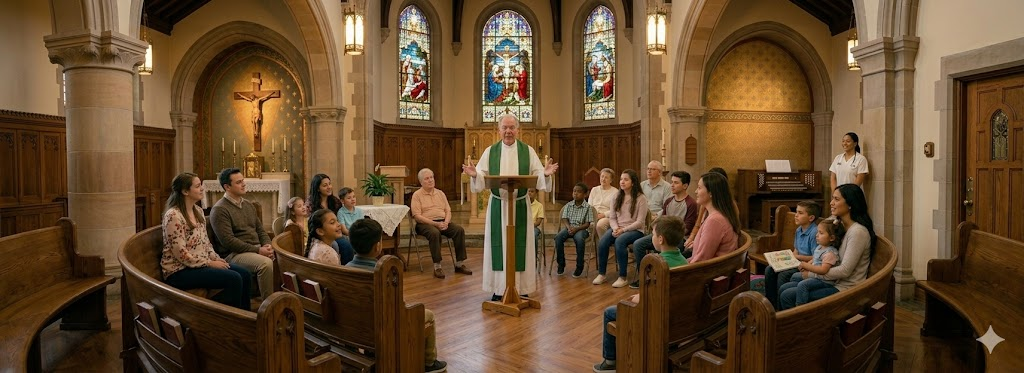
When preaching to children and families, the homily must lean heavily on tangible analogies and narrative. The focus shifts to the immediate, physical experience of hunger and sharing a family meal, linking Jesus’ promise of “living bread” to how food gives them energy to love others.
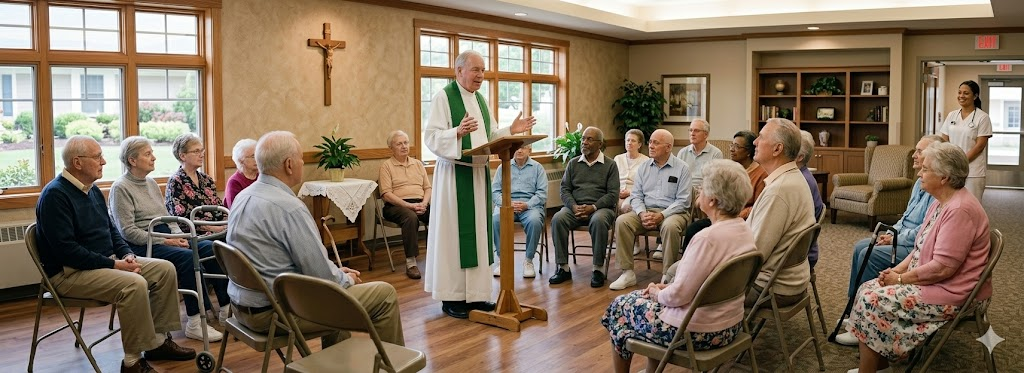
Conversely, for an older, retired congregation, the Deuteronomy text carries a different weight. The call to “remember the long way that the Lord your God has led you” resonates deeply with those looking back on a lifetime of trials, shifts in health, and grief, reframing the Eucharist as the ultimate medicine for the final stages of the earthly journey.
Geographic and Socioeconomic Reality
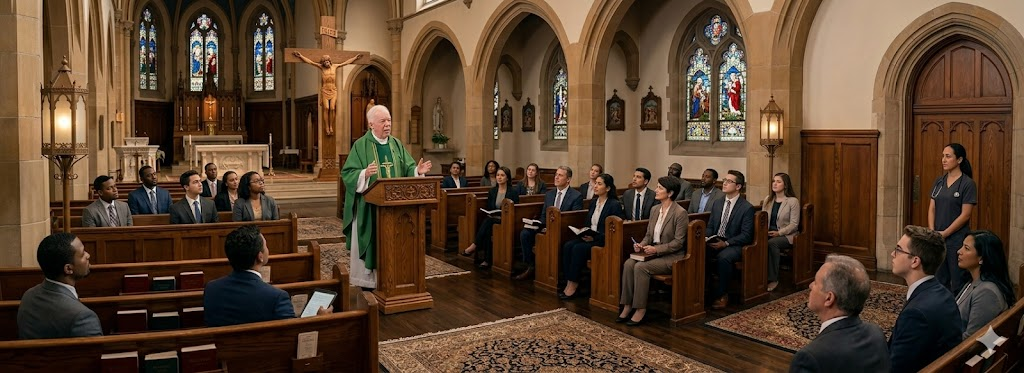
In an affluent, suburban parish, the main hurdle is often spiritual amnesia born of comfort. The homilist must use Moses’ warning—”do not exalt yourself and forget the Lord”—to challenge the illusion of self-sufficiency, exposing the hidden spiritual hunger that material wealth cannot satisfy.
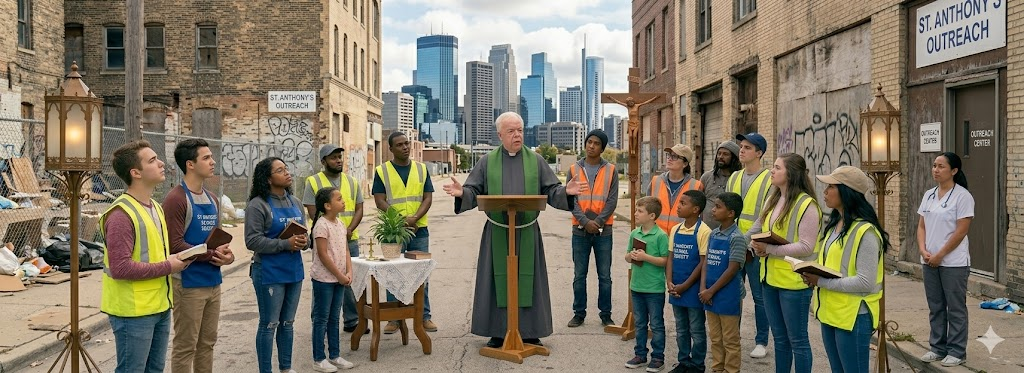
In contrast, when preaching in a marginalized, economically depressed community, the homily must offer the Eucharist as radical solidarity and hope. Christ saying “whoever eats this bread will live forever” becomes a powerful promise of dignity and sustenance for those who intimately understand what it means to worry about their daily bread.
Liturgical Context and Commitment Level
A standard Sunday assembly contains a mixed tier of commitment, requiring a balanced blend of basic catechesis and spiritual challenge. However, preaching at a youth convention or a parish revival allows for a high-commitment, kerygmatic approach. Here, the homilist can directly issue a radical invitation to Eucharistic adoration and deep personal conversion, leveraging the intense communal energy.
Specialized Settings
In a prison or hospital setting, the focus shifts entirely to healing and liberation. The “desert” of Deuteronomy is not a metaphor; it is the immediate environment of isolation or illness. The homily must emphasize the Eucharist as the intimate presence of a suffering Savior who enters into their confinement, offering a freedom and wholeness that a cell or a disease cannot touch.
Conclusion
Ultimately, the art of preaching on Corpus Christi lies not in changing the message, but in changing the key in which it is sung. By anchoring the homily in the immutable truth of Christ’s self-giving love, while remaining acutely sensitive to the wounds, joys, and capacities of the specific listener, the homilist ensures that the Living Bread truly meets the unique hunger of every soul. and communal nature, while intentionally shifting the pastoral focus to match the lived experiences of the faithful, the homily ceases to be a lecture on dogma and becomes a living encounter with the Triune God.
Body and Blood of Christ (A)
FAMILIES | UNIVERSITY STUDENTS
SENIOR CITIZENS | JUSTICE & OUTREACH
BUSY PROFESSIONALS | PRISONERS
The Kitchen Table of
the Kingdom

Click banner to SHOW/HIDE suggestions to start drafting your homily.
Authentic Connection in a
Cult of Consumption

Click banner to SHOW/HIDE suggestions to start drafting your homily.
The Long Road and the
Faithful Bread

Click banner to SHOW/HIDE suggestions to start drafting your homily.
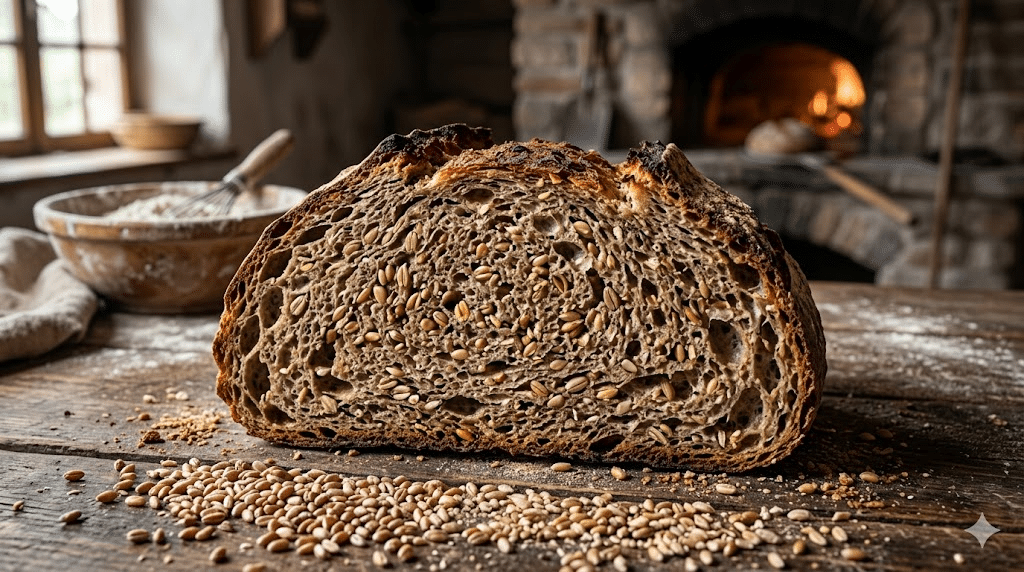
The Solidarity of the
Broken Bread
Click banner to SHOW/HIDE suggestions to start drafting your homily.
The Illusion of the
Self-Made Life

Click banner to SHOW/HIDE suggestions to start drafting your homily.
The Food of Freedom
in a Place of Chains

Click banner to SHOW/HIDE suggestions to start drafting your homily.
Use this as a tool, not a crutch. Your congregation needs to hear your voice, so be sure to make it your own.