Bible Study Discussion Questions
Bible Study Discussion Questions
Bible Study Discussion Questions
March 29, 2026
Palm Sunday (A)


STUDYCOMMENTARY EXCERPTS

PEASBWITU (05:26) – In this Lenten reflection for March 29, 2026 (Passion Sunday / Palm Sunday), we meditate on The Humble Path — the journey of Jesus entering Jerusalem in humility on a donkey, acclaimed by crowds with palm branches, yet fully aware of the suffering and cross that await Him.
VIDEOS
Hector Molina
FEATURED
Passion Sunday: Humble Path
Brief Summaries of Sunday’s Readings from Mike Fletcher
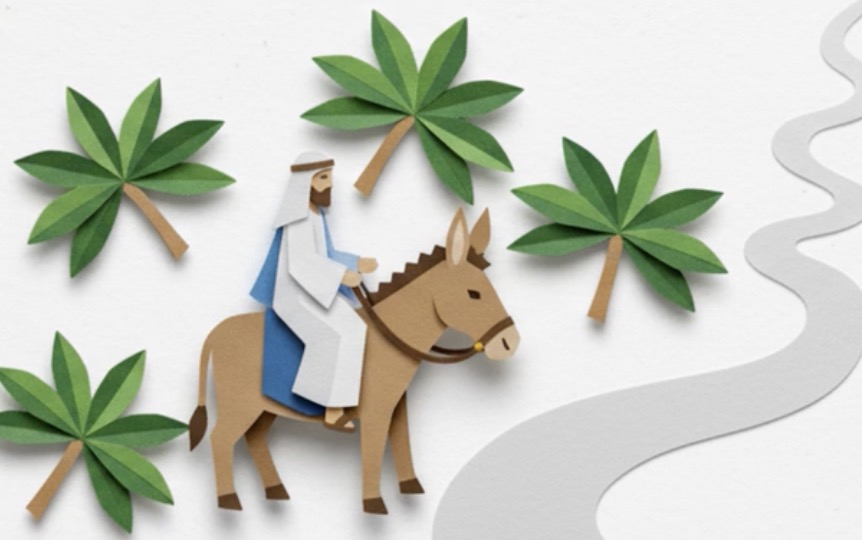
I. Introduction: The Paradox of the Day (00:00)
- The Dual Nature: Exploring how a single day is defined by both huge celebration (Palm Sunday) and deep suffering (Passion Sunday).
- The Core Puzzle: Reconciling the cheering crowds and palm branches with the looming reality of suffering and death.
II. The "Palm" in Palm Sunday: A Humble King (00:40)
- The Triumphal Entry: Drawn from the Gospel of Matthew.
- Subverting Expectations: Jesus enters Jerusalem humbly on a donkey, not a mighty warhorse, fulfilling ancient prophecies.
- The Crowd's Reaction: Pure joy, throwing down cloaks and branches, and shouting "Hosanna."
III. The "Passion" in Passion Sunday: The Suffering Servant (01:15)
- The Opening Act: The parade is just the beginning of a much larger, more profound story.
- Isaiah’s Prophecy (Old Testament): Introduces a totally different image of a savior.
- Redefining Kingship: This savior doesn't conquer with a sword, but saves through sacrifice, profound humility, and willingly enduring pain.
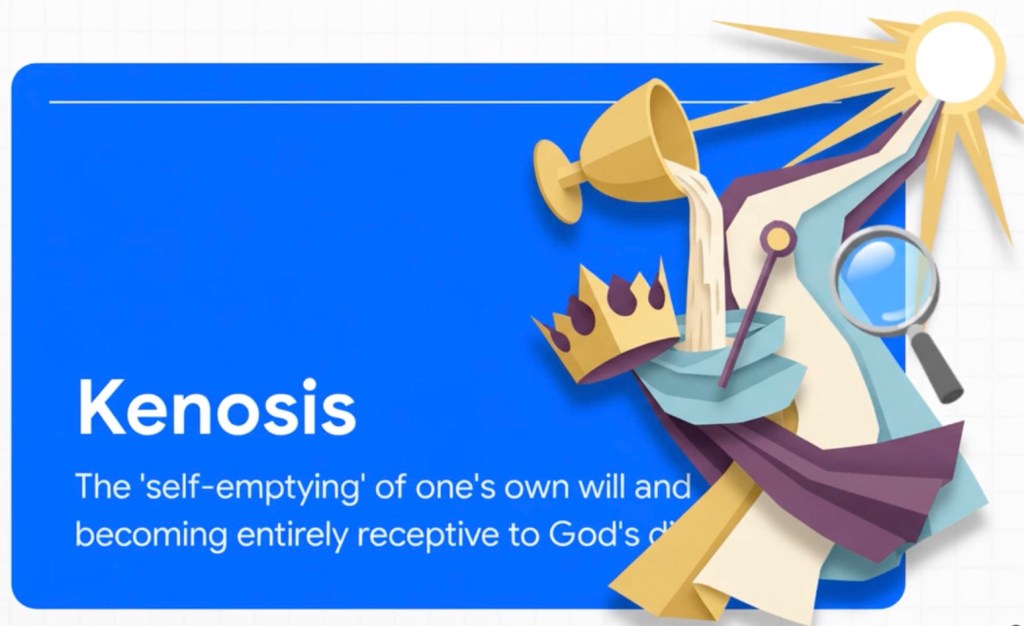
IV. The Theology of Sacrifice: Understanding Kenosis (02:27)
- The Hymn of Philippians (New Testament): Explains the nature of Jesus's obedience.
- The Concept of Kenosis: A Greek term meaning "to empty oneself."
- An Act of Love: It is not a loss of divinity, but a voluntary surrender of privilege and power to serve a higher purpose.
- The Ultimate Humility: Jesus embracing obedience all the way to death on a cross.

V. The Gateway to Holy Week (03:24)
- Two Sides of One Sunday: The external celebration (palms of praise) meets the internal reality (the king's quiet obedience and the followers' contrition).
- The Timeline: Palm Sunday acts as the grand entrance to the most solemn week of the Christian year, where celebration, betrayal, and suffering all unfold within 7 days.
VI. Liturgical Design and Final Takeaways (04:05)
- Back-to-Back Readings: Church services intentionally read the triumphal entry immediately followed by the Passion narrative to emphasize the contrast.
- The Three-Step Takeaway:
- See the king's humility in the waving palms.
- Understand his deep obedience through prophecy and theology.
- Accept the invitation to walk with him into Holy Week.
- Closing Reflection: A call to consider how we navigate holding both joy and pain, celebration and sacrifice, at the same time in our own lives.
Edrianne Ezell

Vince Contreras
Fr. Kieran O’Mahony
Father Corrigan, OFM
Father Clement Thibodeau

The above bulletin insert was created using Nano Banana Pro with Gemini 3.0. The infographics draw inspiration from the content found in Fr. Clement Thibodeau's Echoing The Word weekly column which was published nearly a decade ago. It may be used by any non-profit ministry.



Enhance Your Study for this Sunday
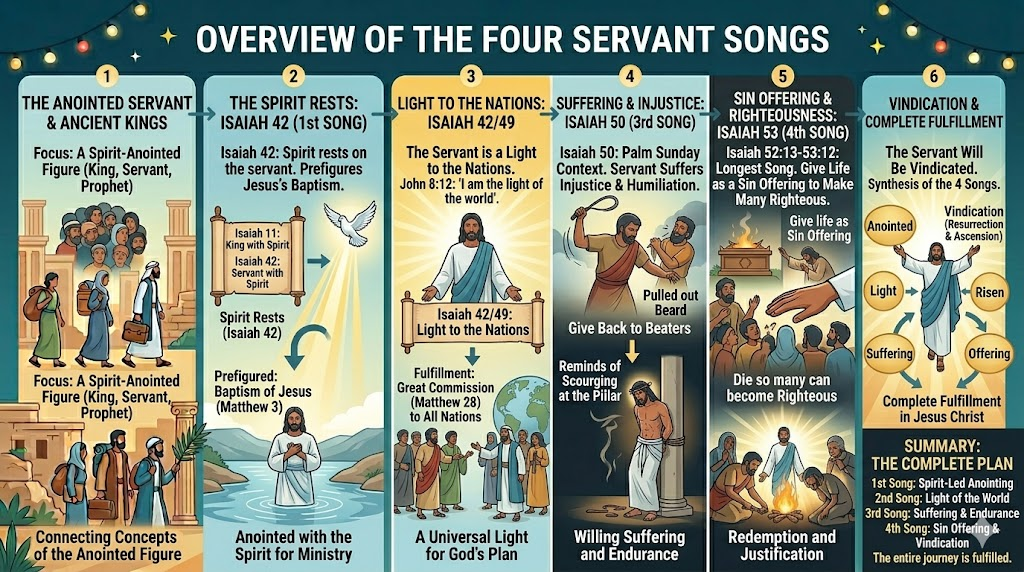
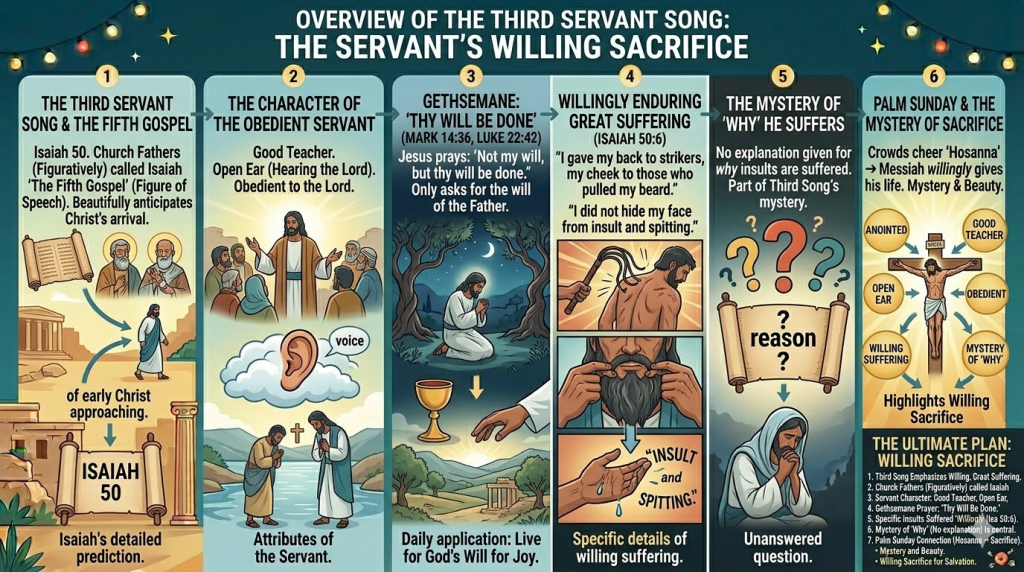
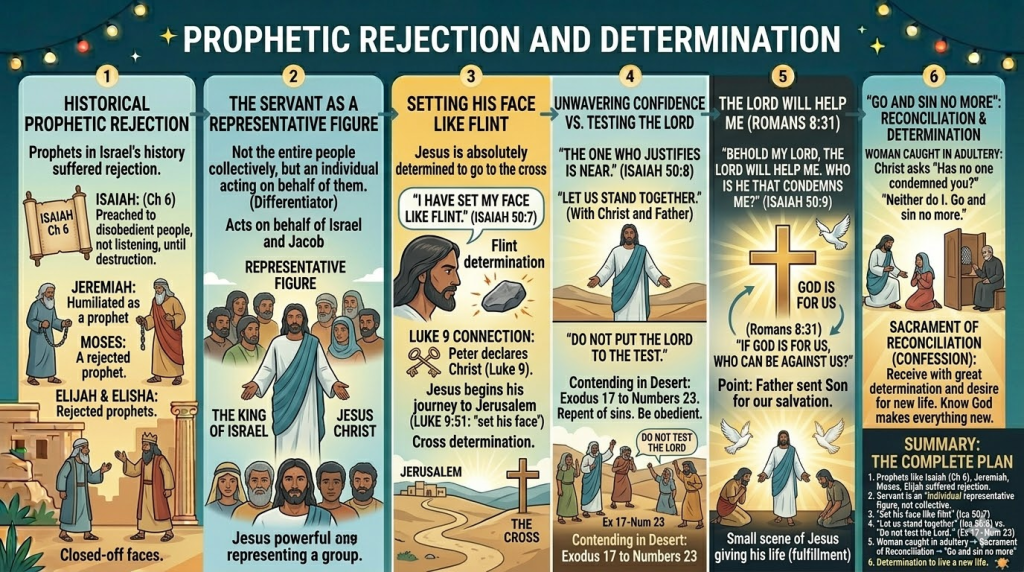
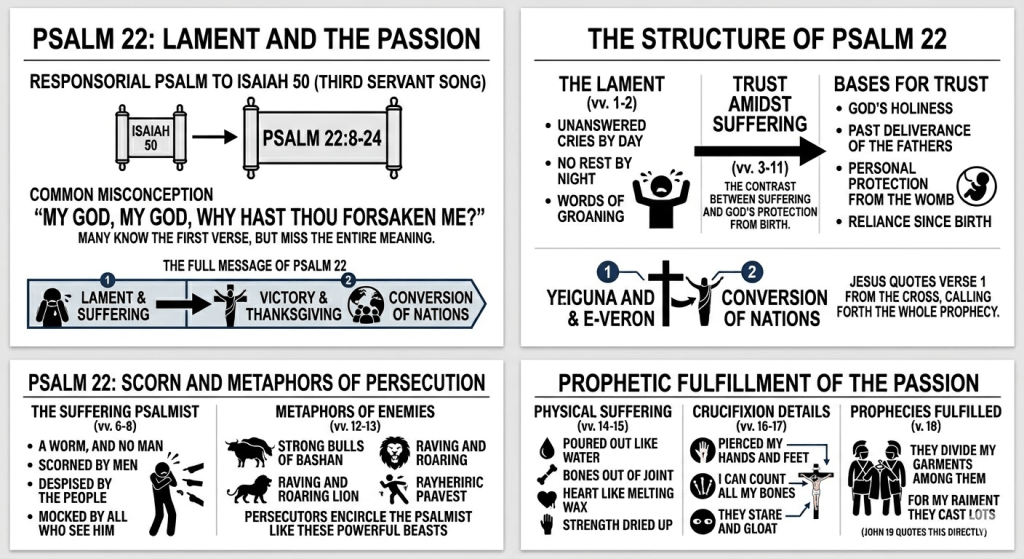
TheWordThisWeek.NET has put together 32 visual slides drawn directly from Fr. Tim Peters’ comprehensive lectures. Here are a few ways to use this resource:
- Follow Along: View the slides while listening to Fr. Tim’s commentary for a richer learning experience.
- Teach & Share: Mix and match the slides to build your own engaging presentations for classrooms or Bible study groups.
- Publish: Parishes and non-profits have full permission to crop and feature these visuals in weekly bulletins or print publications. Please credit Father Tim Peters and TWTW.
1st Reading – 7 Slides

Permission for use granted to non-profit ministries. Please credit Father Tim Peters, STD. and TWTW.
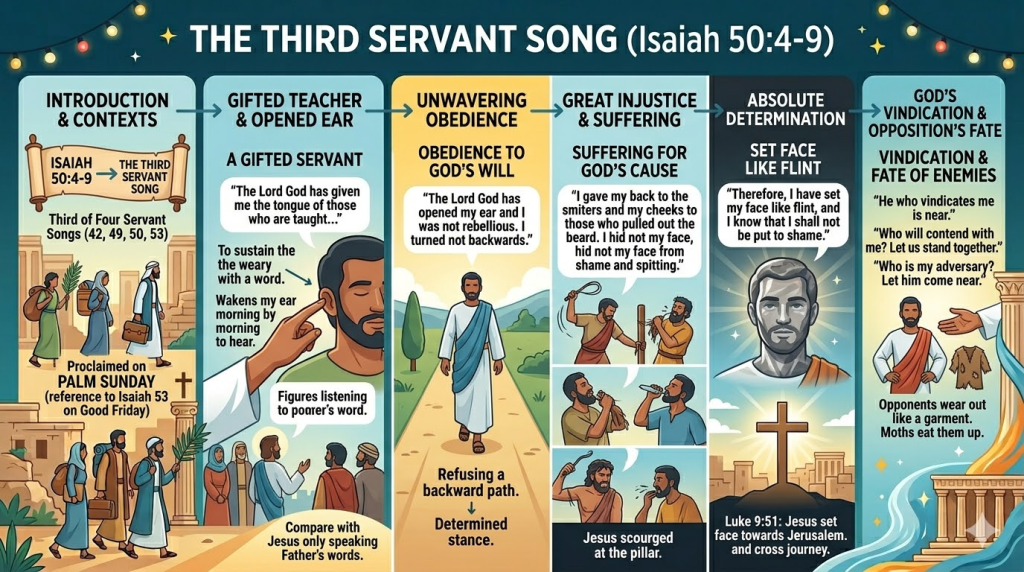
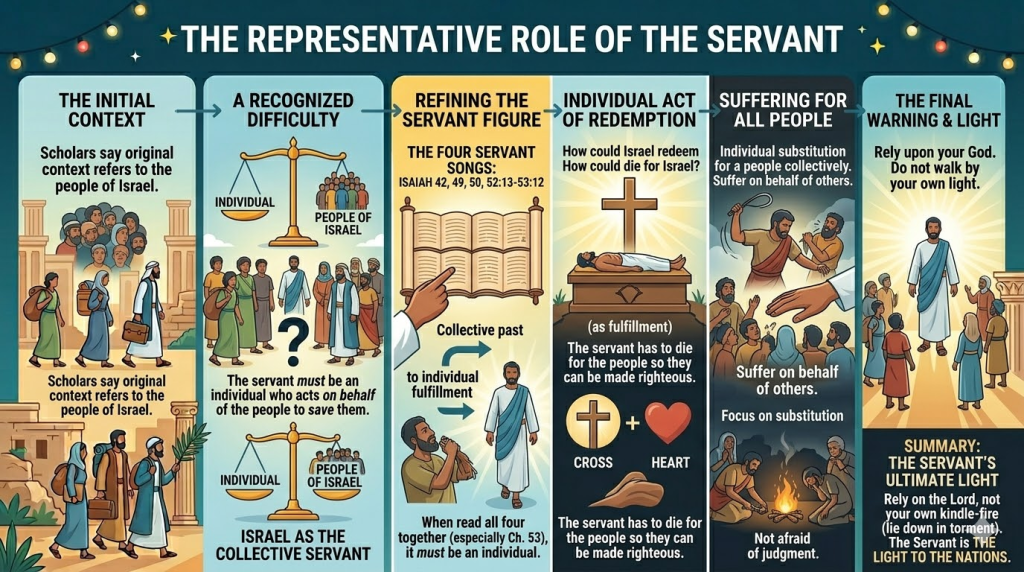

Toggle slides with the chevron banner. Click slides to zoom.
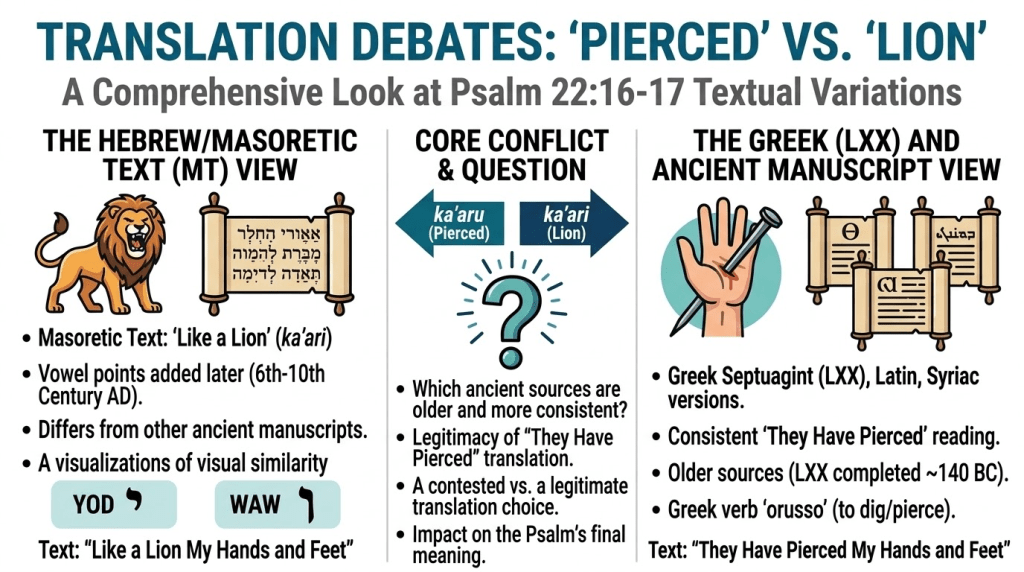
Responsorial – 4 Slides
Permission for use granted to non-profit ministries. Please credit Father Tim Peters, STD. and TWTW.


Toggle slides with the chevron banner. Click slides to zoom.
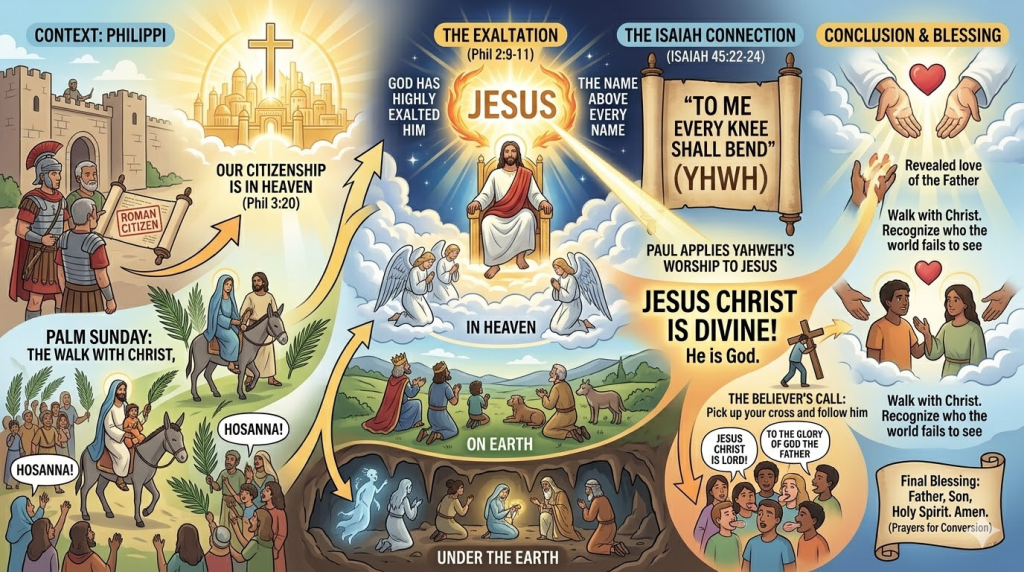
2nd Reading – 2 Slides

Permission for use granted to non-profit ministries. Please credit Father Tim Peters, STD. and TWTW.
Toggle slides with the chevron banner. Click slides to zoom.
Gospel – 18 Slides
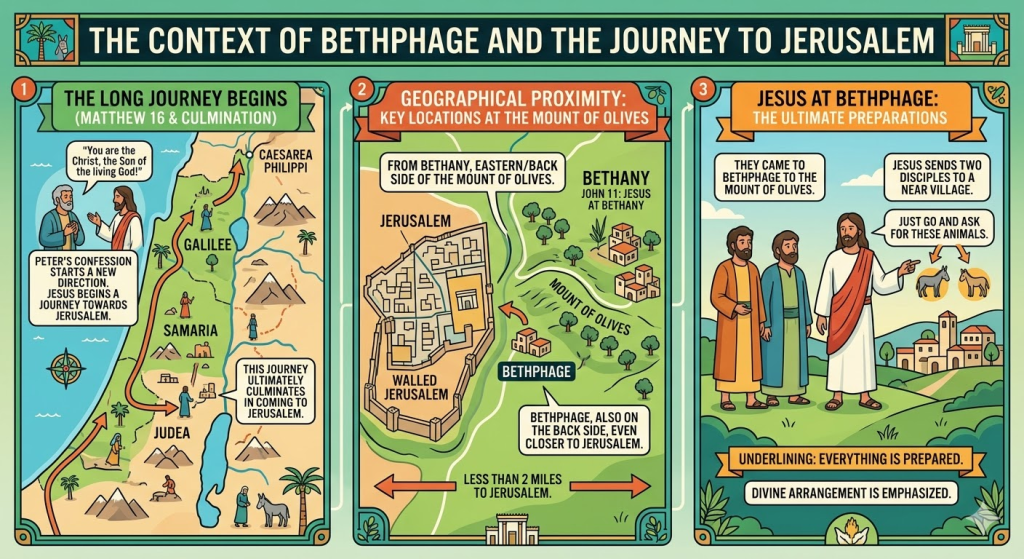
Permission for use granted to non-profit ministries. Please credit Father Tim Peters, STD. and TWTW.

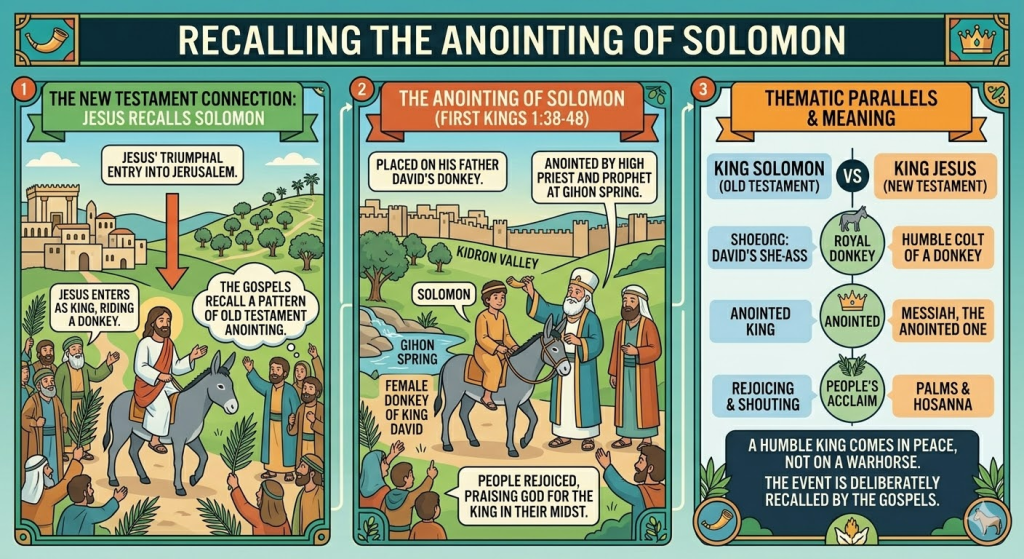
THE WORD THIS WEEK infographics are based off Father Tim Peters' presentation. They were created using using GOOGLE’S AI Gemini 3 Pro. You are free to use them in any non-profit ministry. Please give credit to Father Tim Peters, S.Th.D and THE WORD THIS WEEK.


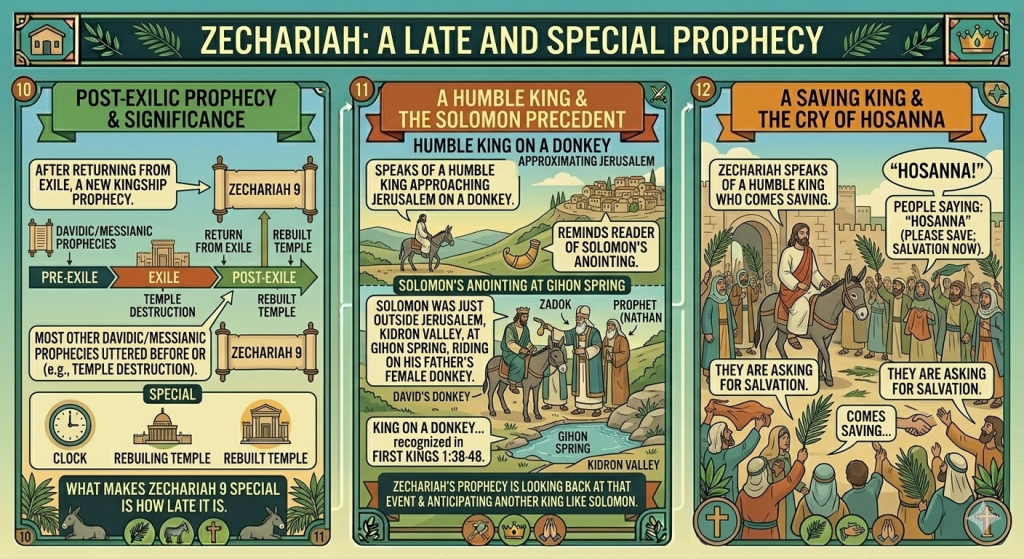


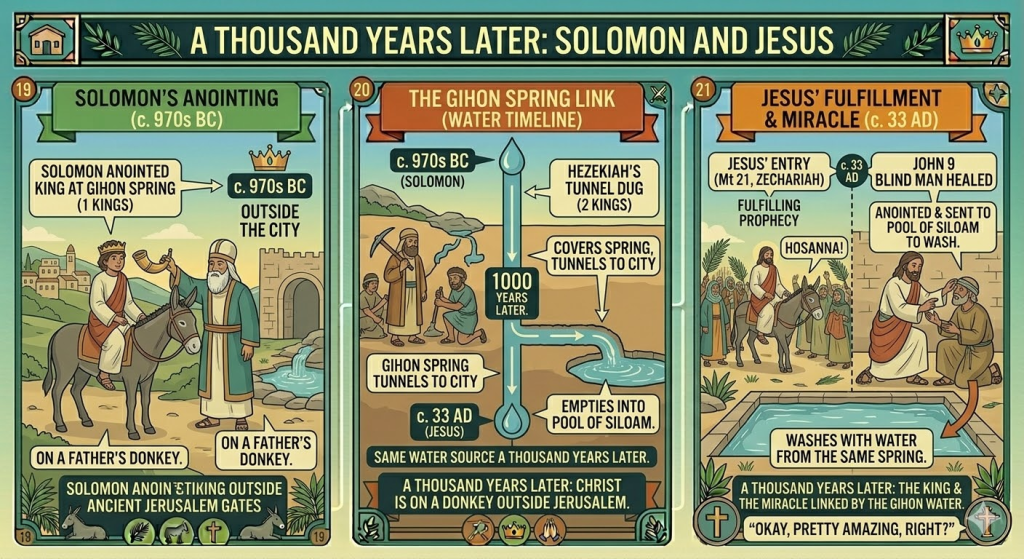


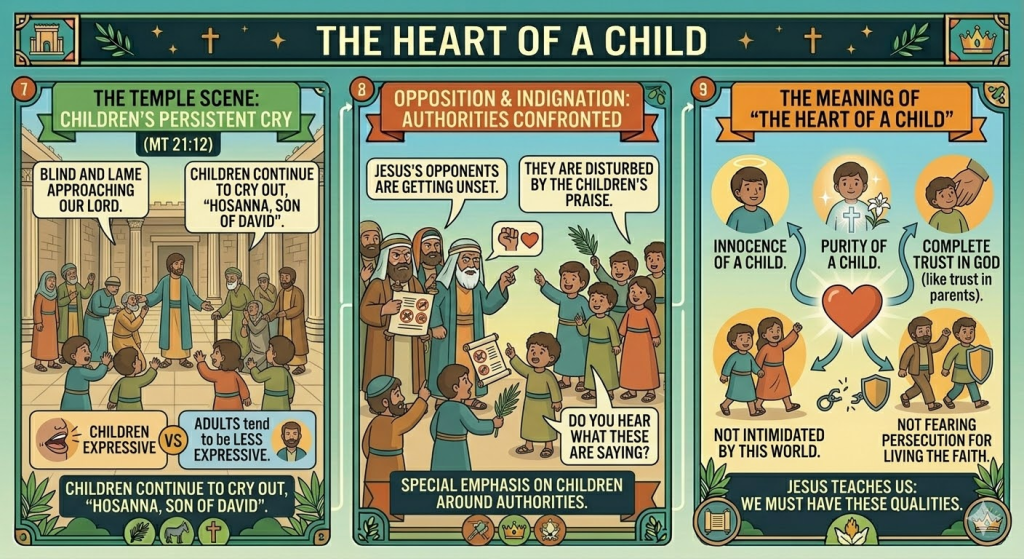
Toggle slides with the chevron banner. Click slides to zoom.
A Sign of Jesus’ Resurrection

Catholic Bible Dictionary

Scott Hahn, internationally renowned theologian and biblical scholar, has inspired millions with his insight into the Catholic faith. Now he brings us this important reference guide, written specifically for Catholics, which contains more than five thousand clear and accessible entries and covers a wide range of people, places, and topics.From Genesis to Revelation, the whole of salvation history is presented and explained in smart, easy-to-understand prose.
The Basis of Christian Hope
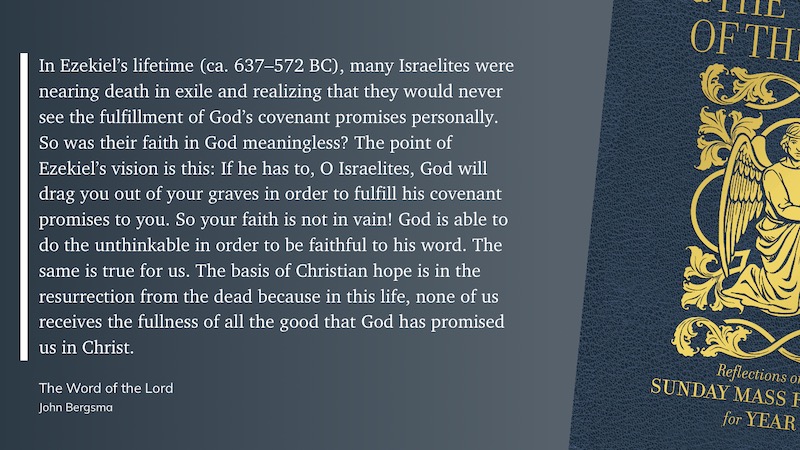
The Word of the Lord

In The Word of the Lord: Reflections on the Sunday Mass Readings for Year A, biblical scholar Dr. John Bergsma provides commentary on each Sunday’s unique presentation of readings. Whether you are a homilist seeking insight into the meaning of difficult scriptural passages or a pew Catholic desiring a deepened understanding of the readings you hear at Mass, The Word of the Lord serves as an invaluable guide.


Our Own Stench
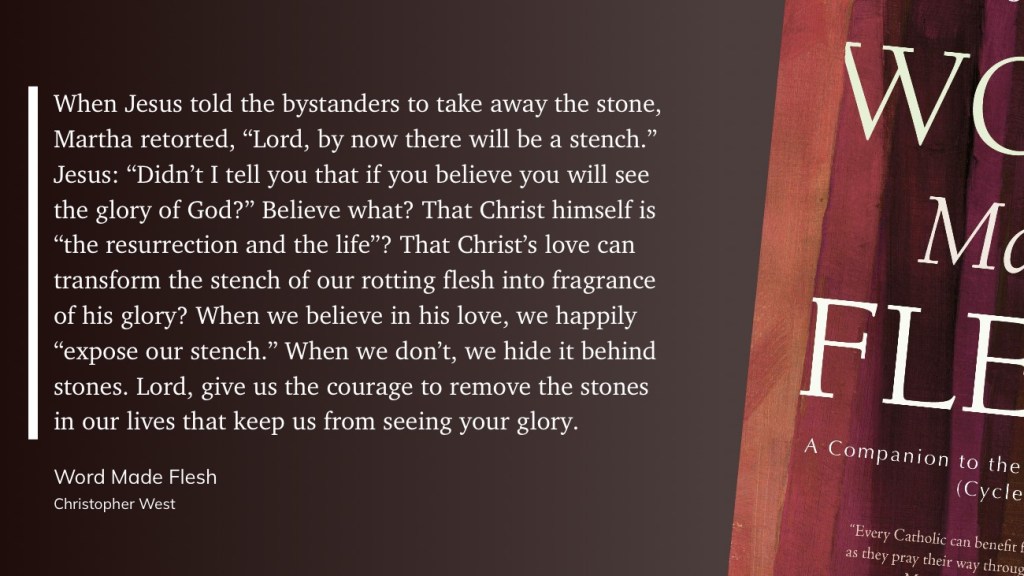

Word Made Flesh

In Word Made Flesh, West offers distinctive reflections on all fifty-two Sunday readings from the first Sunday of Advent through Christ the King Sunday. Some weeks he focuses primarily on the Gospel, while in others he emphasizes a specific passage or verse from one of the other readings. The reflections naturally and deeply connect with the human experience of living with body and soul in the world while also contemplating the nature of the glorified body in the eternal kingdom to come.
Jesus’ Empathy
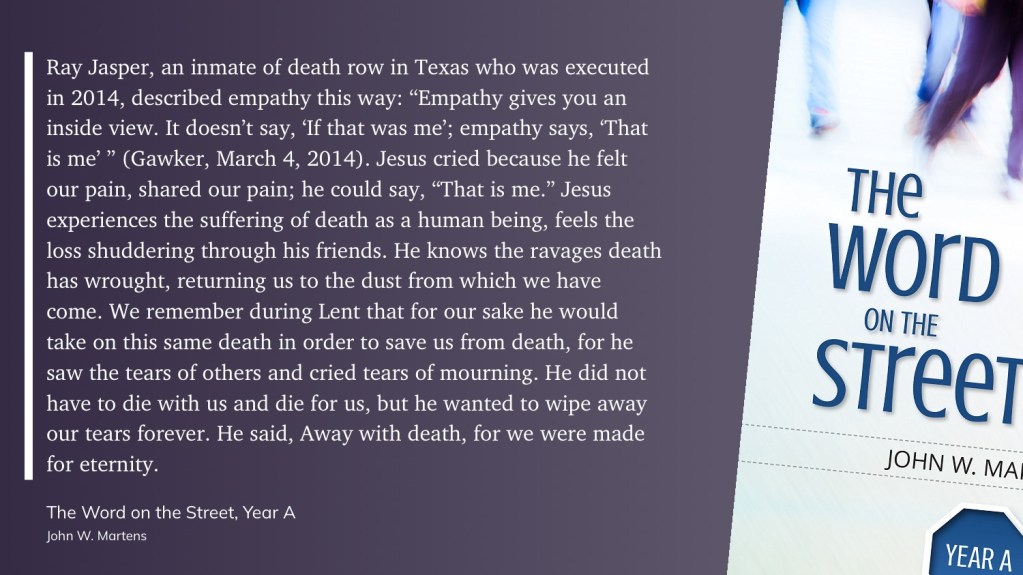
The Word on the Street

In The Word on the Street, John Martens brings the Bible to where people live: in the church, at home, at work, and in the broader world. This Lectionary commentary for every Sunday of the liturgical year will help readers understand the Bible in light of their daily lives, experiences, and challenges and will help Sunday Mass preachers find new ways to articulate God’s work in the world. John Martens is known for his contributions to “The Word,” a popular column in America magazine.
Spirit of Life!

Feasting on the Word

With this twelve-volume series, Westminster John Knox Press offers one of the most extensive and well-respected resources for preaching on the market today. The twelve volumes cover all of the Sundays in the three-year lectionary cycle, along with moveable occasions. The page layout is truly unique. For each lectionary text, preachers will find brief essays–one each on the exegetical, theological, pastoral, and homiletical challenges of the text.
Jesus Shouted, Lazarus, Come Out!

Africa Bible Commentary

The first one-volume Bible commentary produced in Africa by African theologians to meet the needs of African pastors, students, and lay leaders. Interpreting and applying the Bible in the light of African culture and realities, the Africa Bible Commentary furnishes powerful and relevant insights into the biblical text that transcend Africa in their significance.
More Commentaries

Disclosure: As an “Amazon Associate,” Fr. Felix Just, S.J. who compiled the above bibliography earns a very small commission from qualifying purchases made after someone clicks on the above product links.