Catholic Digest, Homily Themes
Catholic Digest, Homily Themes
May 10, 2026








Theology, Apologetics & Evangelization
These channels focus on explaining and defending the Catholic faith, often engaging with modern culture and other viewpoints.
- Bishop Robert Barron (Word on Fire): One of the most influential voices in the Church, offering cultural commentary, movie reviews, and deep theological deep-dives.
- Ascension Presents: A powerhouse channel featuring popular figures like Fr. Mike Schmitz (known for the “Bible in a Year” and “Catechism in a Year” podcasts) and Fr. Josh Johnson, offering accessible videos on faith and life.
- Catholic Answers: The premier channel for Catholic apologetics, featuring live Q&A shows where apologists answer tough questions from callers.
- Pints with Aquinas (Matt Fradd): Long-form interviews and discussions on theology, philosophy, and culture, often over a drink.
- The Counsel of Trent (Trent Horn): Trent Horn, a Catholic Answers apologist, provides rebuttals to atheist and Protestant arguments, as well as commentary on current events.
- Jimmy Akin: A senior apologist at Catholic Answers known for his fairness and deep knowledge, covering everything from bizarre questions to deep theology.
- Breaking In The Habit (Fr. Casey Cole, OFM): A young Franciscan friar who offers fresh, accessible reflections on faith, vocations, and everyday life.
- Thomistic Institute: Excellent, high-quality animated videos and lectures explaining the philosophy and theology of St. Thomas Aquinas.
6th Sunday of Easter (A)
PRACTICAL
ACTIONS
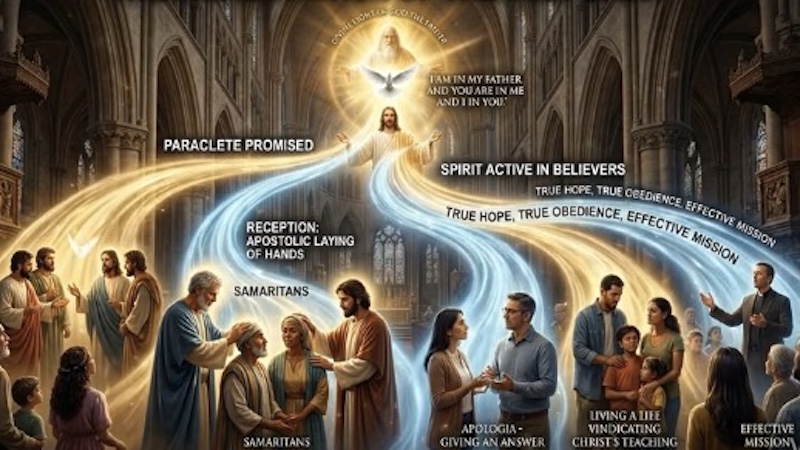
Acts 8:5-8, 14-17 | The “Philip” Strategy
Theme: Bringing the Gospel to “unlikely” places and confirming others in the Spirit.
- Go to your “Samaria”: Identify a person or group you usually avoid—perhaps a difficult neighbor, a coworker with opposing views, or a family member who has drifted away. Make a conscious effort to initiate a positive, joyful interaction with them this week.
- The “Great Joy” Test: Audit your digital footprint (social media posts, comments, texts). Ask: “Does my presence here contribute to the ‘great joy’ of this community, or does it add to the noise and negativity?”
- Support Spiritual Growth: If you are a parent, godparent, or mentor, take a specific step to “confirm” someone else’s faith. Send a note of encouragement to a young person in your life or offer to pray a decade of the Rosary for their specific intentions.
1 Peter 3:15-18 | The “Gentle Defense”
Theme: Being ready to explain your hope with humility and integrity.
- The “Elevator Pitch” for Hope: If someone asked you today, “Why are you still a person of faith?” would you have an answer? Spend 15 minutes writing down three reasons why you hope in Christ. Keep it personal and sincere rather than academic.
- Practice the “Pause”: Before responding to a criticism of your faith or values (especially online), practice the “gentleness and reverence” mandate. Wait 10 minutes before replying, and ensure your response seeks to inform rather than “win.”
- Do Good Under Pressure: If you are treated unfairly at work or in a social setting, consciously choose not to retaliate. Instead, perform one small, hidden act of service for the person who slighted you, uniting that “suffering” to Christ.
John 14:15-21 | The “Abiding” Life
Theme: Proving love through obedience and recognizing the Holy Spirit within.
- Identify Your “Commandment of the Week”: Look at the Ten Commandments or the Beatitudes. Pick one specific area where you struggle (e.g., “Keep holy the Sabbath” or “Blessed are the peacemakers”) and commit to a concrete change in behavior as a direct “I love you” to Jesus.
- The Morning Invitation: Upon waking, before checking your phone, say a simple prayer: “Holy Spirit, Spirit of Truth, I acknowledge You are with me and in me today. Guide my thoughts and my tongue.”
- Reject the “Orphan” Mentality: When you feel overwhelmed or lonely, stop and verbally remind yourself: “I am not an orphan. Christ is in me, and I am in Him.” This mental shift moves you from self-reliance to Spirit-reliance.
- Audit Your Influences: Jesus mentions that the “world” cannot accept the Spirit of Truth. Identify one source of media or entertainment in your life that consistently contradicts the “Spirit of Truth” and replace it with something that edifies your spiritual life.
6th Sunday of Easter (A)

I. The Spirit’s Movement & Community Impact
Based on Acts 8:5-8, 14-17
- Spiritual Stewardship: The Apostles went to Samaria to complete the work Philip started. Do I support the spiritual growth of those around me, or am I competitive and possessive of my “good deeds”?
- The “Unclean Spirits” of the Heart: Philip cast out demons that caused paralysis and lameness. What spiritual “paralysis” am I harboring? Is there a habit of sloth, a refusal to forgive, or a cynicism that prevents me from moving toward God?
- Welcoming the “Outsider”: Samaria was often looked down upon by others. Do I hold prejudices against certain groups of people, or am I willing to bring the joy of the Gospel to those who are different from me?
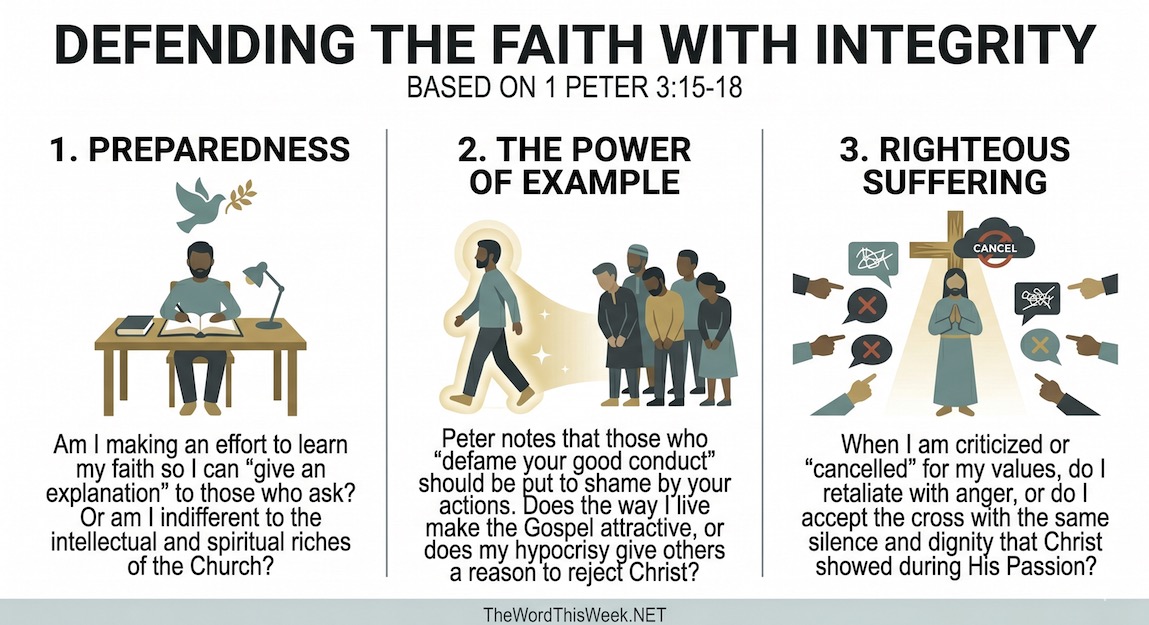
II. Defending the Faith with Integrity
Based on 1 Peter 3:15-18
- Preparedness: Am I making an effort to learn my faith so I can “give an explanation” to those who ask? Or am I indifferent to the intellectual and spiritual riches of the Church?
- The Power of Example: Peter notes that those who “defame your good conduct” should be put to shame by your actions. Does the way I live make the Gospel attractive, or does my hypocrisy give others a reason to reject Christ?
- Righteous Suffering: When I am criticized or “cancelled” for my values, do I retaliate with anger, or do I accept the cross with the same silence and dignity that Christ showed during His Passion?
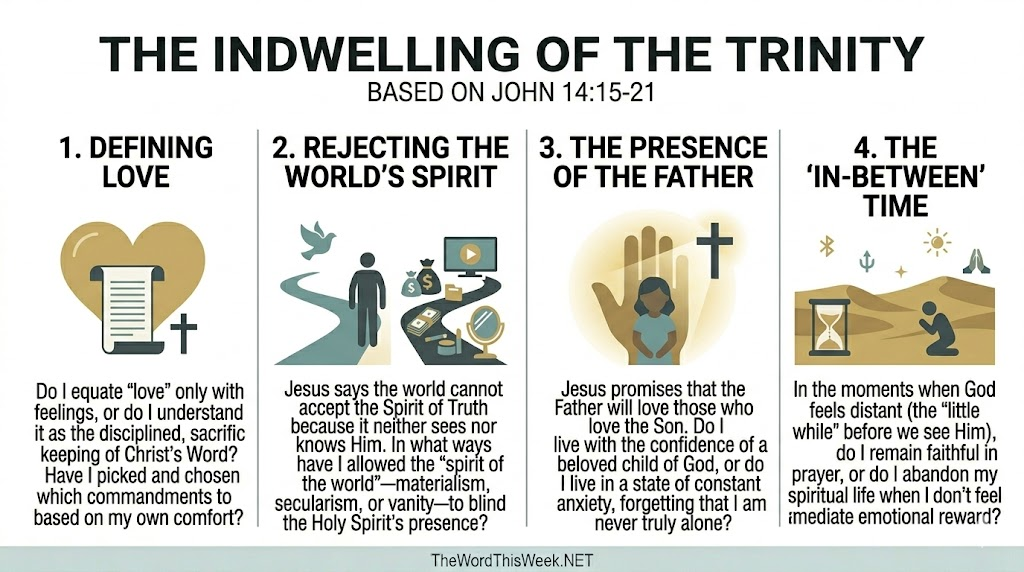
III. The Indwelling of the Trinity
Based on John 14:15-21
- Defining Love: Do I equate “love” only with warm feelings, or do I understand it as the disciplined, sacrificial keeping of Christ’s Word? Have I picked and chosen which commandments to follow based on my own comfort?
- Rejecting the World’s Spirit: Jesus says the world cannot accept the Spirit of Truth because it neither sees nor knows Him. In what ways have I allowed the “spirit of the world”—materialism, secularism, or vanity—to blind me to the Holy Spirit’s presence?
- The Presence of the Father: Jesus promises that the Father will love those who love the Son. Do I live with the confidence of a beloved child of God, or do I live in a state of constant anxiety, forgetting that I am never truly alone?
- The “In-Between” Time: In the moments when God feels distant (the “little while” before we see Him), do I remain faithful in prayer, or do I abandon my spiritual life when I don’t feel an immediate emotional reward?
Non-profits have permission to copy and paste infographics into their publications.
6th Sunday of Easter (A)
The Abiding Presence
Gospel: John 14:15–21
Theme: I will not leave you orphans.
McCulloch
(Diocese of Broken Bay)
We are still in the Upper Room, in the intimate, anxious atmosphere of the Last Supper. Jesus has told his disciples he is leaving, and their world is collapsing. To them, his departure feels like abandonment. They are about to become ‘orphans’ – lost and alone.
In this moment of profound fear, Jesus makes the most important promise of his ministry: ‘I will not leave you orphans… I will ask the Father, and he will give you another Advocate to be with you always, the Spirit of truth.’
This is the heart of the diakonia. The deacon is a man ordained to be a visible, tangible sign of this very promise. He is the minister of the abiding presence. As St. Basil wrote, ‘The Spirit is the gentle presence who makes us friends of God.’ The deacon’s entire vocation is to embody this divine friendship, proving by his service that Christ has not left His people comfortless. p others, especially thetroubled and the lost, to find their way home to the Father.
AT MASS
Proclaiming the Advocate
The deacon’s liturgical ministry is a direct proclamation of the Spirit’s presence.
• The Voice of the Promise: When the deacon proclaims this Gospel, he is the herald of comfort. He gives voice to Christ’s promise, speaking it directly to all the orphaned hearts in the assembly, those feeling abandoned by grief, fear, or loneliness.
• The Homily of Presence: The deacon’s preaching on this text is meant to be a profound reassurance. He is called to connect the abstract promise of the Spirit to the concrete realities of parish life, pointing out where the Advocate is already at work among them.
• Minister of the Spirit’s Gifts: The deacon is an ordinary minister of Baptism, the very sacrament that gives the Spirit. When he pours the water, he is the Church’s witness as the Father, through the Son, sends the Advocate upon a new soul, forever claiming them from an ‘orphaned’ state and making them a child of God.
IN THE PARISH
The Ministry of “Staying”
The Spirit is the ‘Advocate who will be with you always.’ The deacon, by his state of life, is a unique sign of this abiding presence.
• The Divine Friendship: In his parish life – in the RCIA, in adult faith formation, in pastoral counselling – the deacon is called to be St. Basil’s ‘gentle presence.’ He is the one who walks with people, making them friends of God by being a friend to them.
• A Non-Anxious Presence: The deacon, rooted in his own family and secular work, is not a transient figure. He stays. He is part of the permanent fabric of the community. This ‘ministry of staying’ is itself a homily. It is a quiet, steady witness against the world’s culture of abandonment, proving that the Church, like the Spirit, abides.
AT THE MARGINS
The Comfort of the Orphan
The word ‘orphan’ (Greek: orphanos) literally means ‘comfortless.’ The deacon’s ministry of diakonia is the Church’s primary, organized response to the comfortless of the world.
• Finding the Orphaned: The deacon is ordained to find those who feel like orphans: the elderly person in the nursing home with no visitors; the prisoner forgotten by society; the shut-in isolated by illness; the grieving person orphaned by the death of a loved one.
• The Spirit Breathes Mercy: When the deacon visits the lonely or consoles the sorrowful, he is the promise fulfilled. His simple, human presence is the ‘divine friendship’ made tangible. He is the living, breathing proof that Christ has kept His word.
• Service as Comfort: His act of mercy – holding a hand, listening to a story, bringing the Eucharist – is the comfort of the Comforter (the Advocate) in action. The deacon’s service is the sign that Christ has not left His people; the Spirit is still here, still breathing through acts of human compassion and divine mercy.

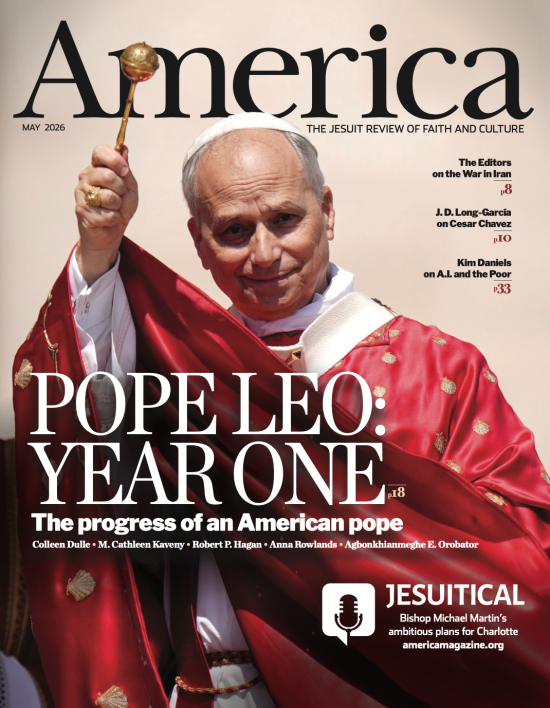
MAY 2026
PDF (68 pages)
America Magazine: Published by the Jesuits, this leading national review is highly regarded for its thoughtful, nuanced commentary on religion, politics, and contemporary culture.
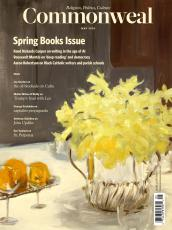
Commonweal: An independent, lay-edited journal of opinion that provides rigorous intellectual perspectives on faith, society, the arts, and public policy.
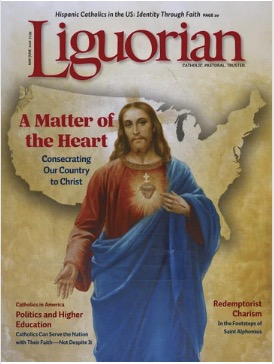
MAY-JUNE 2026
PDF (48 pages)
Liguorian is an award-winning Catholic magazine published since 1913 by the Redemptorists to provide spiritual guidance, pastoral messages, and inspiring stories, helping readers navigate modern life through faith. It acts as a trusted resource for Catholic spirituality, offering insights on faith, social justice, and daily Christian living.
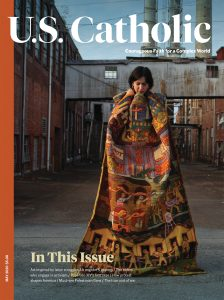
U.S. Catholic: This publication focuses on everyday faith, social justice, and practical insights for living out Catholic teachings in modern, daily life.
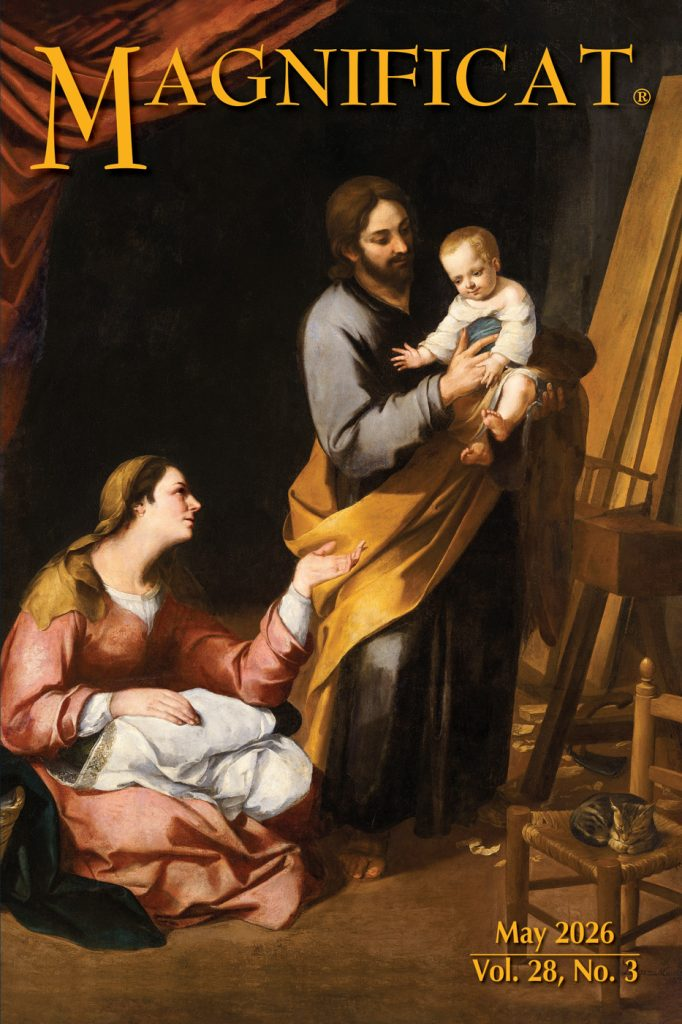
MAY 2026
Magnificat: A beautifully designed monthly publication intended for daily use. It includes the texts of the daily Mass, morning and evening prayers, and spiritual reflections. Exploring its Spanish edition, Magnificat en Español, can also be an excellent way to weave language practice into a daily spiritual routine.
Catholic.com
6th Sunday of Easter (A)
Scroll to view all 50 states
Alabama
- One Voice (Diocese of Birmingham)
- The Catholic Week (Archdiocese of Mobile)
Alaska
- The North Star Catholic (Archdiocese of Anchorage-Juneau)
- The Alaskan Shepherd (Diocese of Fairbanks)
- Missionary Disciples (Diocese of Fairbanks)
Arizona
- Voice of the Southwest (Diocese of Gallup)
- The Catholic Sun (Diocese of Phoenix)
- New Outlook (Diocese of Tucson)
Arkansas
- Arkansas Catholic (Diocese of Little Rock)
California
- Angelus Magazine | DIGITAL (Archdiocese of Los Angeles)
- The Catholic Voice | DIGITAL (Diocese of Oakland)
- The Catholic Herald | DIGITAL (Diocese of Sacramento)
- Orange County Catholic (Diocese of Orange)
- Catholic Herald (Diocese of Sacramento)
- Inland Catholic Byte (Diocese of San Bernardino)
- The Southern Cross | DIGITAL (Diocese of San Diego)
- Catholic San Francisco (Archdiocese of San Francisco)
- San Francisco Católico (Archdiocese of San Francisco)
- The Valley Catholic | DIGITAL (Diocese of San Jose)
Colorado
- The Colorado Catholic Herald (Diocese of Colorado Springs)
- Denver Catholic (Archdiocese of Denver)
Connecticut
- Fairfield County Catholic (Diocese of Bridgeport)
- The Catholic Transcript | DIGITAL (Archdiocese of Hartford)
- Four County Catholic | DIGITAL (Diocese of Norwich)
Delaware
- The Dialog (Diocese of Wilmington)
Florida
- Florida Catholic | E-EDITIONS (Archdiocese of Miami; Dioceses of Orlando, Palm Beach, Pensacola–Tallahassee, St. Augustine, Saint Petersburg, Venice)
Georgia
- The Georgia Bulletin (Archdiocese of Atlanta)
- Southern Cross (Diocese of Savannah)
Hawaii
- Hawaii Catholic Herald (Diocese of Honolulu)
Idaho
- Idaho Catholic Register (Diocese of Boise)
Illinois
- The Messenger (Diocese of Belleville)
- Chicago Catholic (Archdiocese of Chicago)
- Catolico (Archdiocese of Chicago)
- Christ is Our Hope (Diocese of Joliet)
- The Catholic Post (Diocese of Peoria)
- The Observer (Diocese of Rockford)
- Catholic Times (Diocese of Springfield)
Indiana
- The Message (Diocese of Evansville)
- Today’s Catholic News (Diocese of Fort Wayne–South Bend)
- Northwest Indiana Catholic (Diocese of Gary)
- The Criterion (Archdiocese of Indianapolis)
- The Catholic Moment | DIGITAL (Diocese of Lafayette)
Iowa
- The Catholic Messenger (Diocese of Davenport)
- The Catholic Mirror | DIGITAL (Diocese of Des Moines)
- The Witness (Archdiocese of Dubuque)
- The Lumen (Diocese of Sioux City)
Kansas
- Southwest Kansas Register (Diocese of Dodge City)
- The Leaven (Archdiocese of Kansas City)
- The Register | DIGITAL (Diocese of Salina)
- Catholic Advance (Diocese of Wichita)
- Avance Católico (Diocese of Wichita)
Kentucky
- Messenger (Diocese of Covington)
- Cross Roads | DIGITAL (Diocese of Lexington)
- The Record | DIGITAL (Archdiocese of Louisville)
- Western Kentucky Catholic (Diocese of Owensboro)
Louisiana
- Church Today (Diocese of Alexandria)
- The Catholic Commentator (Diocese of Baton Rouge)
- Bayou Catholic (Diocese of Houma–Thibodaux)
- Clarion Herald (Archdiocese of New Orleans)
- The Catholic Connection | DIGITAL (Diocese of Shreveport)
Maryland / Washington, DC
- The Catholic Review (Archdiocese of Baltimore)
- Catholic Standard (Archdiocese of Washington)
- El Pregonero (Archdiocese of Washington)
Massachusetts
- The Pilot (Archdiocese of Boston)
- The Anchor (Diocese of Fall River)
- SOPHIA | DIGITAL (Diocese of Springfield)
- The Catholic Free Press | DIGITAL (Diocese of Worcester)
Michigan
- Detroit Catholic (Archdiocese of Detroit)
- FAITH along Michigan’s 45th Parallel | DIGITAL (Diocese of Gaylord)
- Faith Grand Rapids (Diocese of Grand Rapids)
- The Good News (Diocese of Kalamazoo)
- FAITH (Diocese of Lansing)
- The U.P. Catholic (Diocese of Marquette)
- Great Lakes Bay | DIGITAL (Diocese of Saginaw)
Minnesota
- Our Northland Diocese (Diocese of Crookston)
- The Northern Cross (Diocese of Duluth)
- The Prairie Catholic (Diocese of New Ulm)
- Central Minnesota Catholic | DIGITAL (Diocese of Saint Cloud)
- The Catholic Spirit (Archdiocese of Saint Paul and Minneapolis)
- The Courier | DIGITAL (Diocese of Winona-Rochester)
Mississippi
- Gulf Pine Catholic | DIGITAL (Diocese of Biloxi)
- Mississippi Catholic | DIGITAL (Diocese of Jackson)
Missouri
- Catholic Missourian | DIGITAL (Diocese of Jefferson City)
- The Catholic Key | DIGITAL (Diocese of Kansas City–Saint Joseph)
- The Mirror (Diocese of Springfield–Cape Girardeau)
- St. Louis Review (Archdiocese of St. Louis)
- Catholic St. Louis | DIGITAL (Archdiocese of St. Louis)
Montana
- The Harvest (Diocese of Great Falls–Billings)
Nebraska
- West Nebraska Catholic | DIGITAL (Diocese of Grand Island)
- Southern Nebraska Register (Diocese of Lincoln)
- The Catholic Voice (Archdiocese of Omaha)
Nevada
- Desert Clarion (Diocese of Las Vegas)
- High Desert Catholic | DIGITAL (Diocese of Reno)
New Hampshire
New Jersey
- Catholic Star Herald (Diocese of Camden)
- The Catholic Spirit | DIGITAL (Diocese of Metuchen)
- The Catholic Advocate (Archdiocese of Newark)
- The Beacon | DIGITAL (Diocese of Paterson)
- The Monitor (Diocese of Trenton)
New Mexico
- Voice of the Southwest (Diocese of Gallup)
- Agua Viva (Diocese of Las Cruces)
- People of God (Archdiocese of Santa Fe)
New York
- The Evangelist (Diocese of Albany)
- The Tablet (Diocese of Brooklyn)
- The Catholic Union / The Catholic Union and Times (Diocese of Buffalo)
- Western New York Catholic (Diocese of Buffalo)
- The Good Newsroom (Archdiocese of New York)
- North Country Catholic (Diocese of Ogdensburg)
- Catholic Courier (Diocese of Rochester)
- El Mensajero Católico (Diocese of Rochester)
- The Long Island Catholic (Diocese of Rockville Centre)
- The Catholic Sun (Diocese of Syracuse)
North Carolina
- Catholic News Herald (Diocese of Charlotte)
- NC Catholics | DIGITAL (Diocese of Raleigh)
North Dakota
- Dakota Catholic Action | DIGITAL (Diocese of Bismarck)
- New Earth Magazine | DIGITAL (Diocese of Fargo)
Ohio
- The Catholic Telegraph (Archdiocese of Cincinnati)
- Northeast Ohio Catholic (Diocese of Cleveland)
- Catholic Times | DIGITAL (Diocese of Columbus)
- Steubenville Register (Diocese of Steubenville)
- The Catholic Echo (Diocese of Youngstown)
Oklahoma
- Sooner Catholic | DIGITAL (Archdiocese of Oklahoma City)
- Eastern Oklahoma Catholic | DIGITAL (Diocese of Tulsa)
Oregon
- Catholic Sentinel / El Centinela (Diocese of Baker / Archdiocese of Portland)
- The Diocesan Chronicle (Diocese of Baker / Archdiocese of Portland)
- Harvest | DIGITAL (Diocese of Baker / Archdiocese of Portland)
Pennsylvania
- The A.D. Times | DIGITAL (Diocese of Allentown)
- Proclaim TV! | DIGITAL (Diocese of Altoona–Johnstown)
- The Catholic Accent | DIGITAL (Diocese of Greensburg)
- The Catholic Witness | DIGITAL (Diocese of Harrisburg)
- Catholic Philly (Archdiocese of Philadelphia)
- Pittsburgh Catholic | DIGITAL (Diocese of Pittsburgh)
- The Catholic Light (Diocese of Scranton)
Rhode Island
- Rhode Island Catholic (Diocese of Providence)
- El Católico de Rhode Island (Diocese of Providence)
South Carolina
- The Catholic Miscellany | DIGITAL (Diocese of Charleston)
South Dakota
- West River Catholic | DIGITAL (Diocese of Rapid City)
- The Bishop’s Bulletin | DIGITAL (Diocese of Sioux Falls)
Tennessee
- East Tennessee Catholic (Diocese of Knoxville)
- The West Tennessee Catholic (Diocese of Memphis)
- Faith West Tennessee (Diocese of Memphis)
- Catholic Awakenings | DIGITAL (Diocese of Nashville)
Texas
- The West Texas Catholic | DIGITAL (Diocese of Amarillo)
- Catholic Spirit (Diocese of Austin)
- East Texas Catholic | DIGITAL (Diocese of Beaumont)
- South Texas Catholic | DIGITAL (Diocese of Corpus Christi)
- The Texas Catholic (Diocese of Dallas)
- Revista Católica (Diocese of Dallas)
- The Rio Grande Catholic | DIGITAL (Diocese of El Paso)
- North Texas Catholic | DIGITAL (Diocese of Fort Worth)
- Texas Catholic Herald | DIGITAL (Archdiocese of Galveston–Houston)
- West Texas Angelus | DIGITAL (Diocese of San Angelo)
- Today’s Catholic Newspaper | DIGITAL (Archdiocese of San Antonio)
- Catholic East Texas | DIGITAL (Diocese of Tyler)
- The Catholic Lighthouse | DIGITAL (Diocese of Victoria)
Utah
- Intermountain Catholic (Diocese of Salt Lake City)
Vermont
- Vermont Catholic (Diocese of Burlington)
Virginia
- Arlington Catholic Herald (Diocese of Arlington)
- The Catholic Virginian (Diocese of Richmond)
Washington
- Northwest Catholic | DIGITAL (Archdiocese of Seattle)
- Inland Catholic | DIGITAL (Diocese of Spokane)
West Virginia
- The Catholic Spirit (Diocese of Wheeling–Charleston)
Wisconsin
- The Compass | DIGITAL (Diocese of Green Bay)
- Catholic Life | DIGITAL (Diocese of La Crosse)
- Madison Catholic Herald (Diocese of Madison)
- The Catholic Herald (Archdiocese of Milwaukee)
- The Superior Catholic Herald (Diocese of Superior)
Wyoming
- Wyoming Catholic Register (Diocese of Cheyenne)
FORMED is a premier on-demand digital streaming platform dedicated to Catholic media. It is frequently described as a “Catholic Netflix.” Created by the Augustine Institute—in collaboration with Ignatius Press and over 100 other Catholic content providers—FORMED provides a vast library of faith-based media designed to help individuals, families, and parishes learn and grow in their faith.
RECENTLY ADDED

Many Catholic parishes purchase an annual subscription to FORMED for their congregation. If your local church has a subscription, you can usually sign up for a free account by entering your parish’s name or zip code on the site.
6th Sunday of Easter (A)
Each week TWTW explores Artificial Intelligence through the rhythm of the church calendar contained in the Sunday Mass readings.
The Spirit of Truth in a Digital Age: A Theological Framework for Artificial Intelligence
The rapid ascent of Artificial Intelligence (AI) has sparked a modern “Copernican Revolution,” shifting the center of how we process information, relate to labor, and even conceive of intelligence itself. As Large Language Models and generative algorithms become ubiquitous, the temptation is to view them either as a secular savior or a digital demon. However, for those grounded in the Christian tradition, these tools are best understood through the lens of stewardship, mediation, and the “Spirit of Truth.”
By examining the narrative of Philip in Samaria (Acts 8:5-8, 14-17), the call to reasoned defense in 1 Peter 3:15-18, and the promise of the Advocate in John 14:15-21, we can construct a theological framework for using AI that prioritizes human flourishing, intellectual integrity, and spiritual discernment.
The Reach of Philip and the Efficiency of Tools
Acts 8:5-8, 14-17 recounts Philip the Evangelist traveling to Samaria. His arrival is marked by a sudden expansion of the Gospel’s reach, accompanied by “signs” that brought “great joy in that city.” Philip’s ministry represents a bridge—crossing cultural and geographical boundaries to deliver a message of hope.
In a functional sense, AI acts as a contemporary “Philip.” It is a bridge-builder that allows for the rapid translation of complex ideas, the democratization of specialized knowledge, and the automation of administrative burdens that once hindered human connection. When used to summarize vast theological treatises or translate the Bible into obscure dialects, AI mimics the “signs” of Philip—it removes barriers to understanding.
However, the passage contains a crucial caveat: while Philip could perform miracles and baptize, the full “reception” of the Holy Spirit required the presence of Peter and John. There was a level of spiritual mediation that the “sign” alone could not achieve.
Insight: AI can provide the “sign” (the data, the text, the translation), but it cannot provide the “presence.” We use AI effectively when we allow it to handle the logistics of the “Samaria” journey—speeding up our research and outreach—while acknowledging that the “laying on of hands” (the deep, soulful human connection and spiritual impartation) remains an exclusively human, Spirit-led domain.
A Reasoned Defense in a Digital Age
The Apostle Peter provides the blueprint for Christian engagement with the world in 1 Peter 3:15-18. He instructs believers to “always be prepared to give an answer to everyone who asks you to give the reason for the hope that you have.” Critically, this apologia must be delivered with “gentleness and respect.”
In the 21st century, the “reasoned defense” is increasingly mediated through digital screens. AI can be an extraordinary tool for this preparation. It can act as a sounding board, helping a believer refine their arguments, identify logical fallacies, and synthesize historical data. It allows the modern apologist to be “prepared” at a speed previously unimaginable.
Yet, Peter’s emphasis on “gentleness and respect” poses a challenge to the algorithmic nature of AI. Algorithms are designed for efficiency and engagement, often prioritizing “reach” over “respect.” If we use AI to generate “gotcha” arguments or to flood the digital square with cold, automated rebuttals, we violate the spirit of the text.
The theological connection here is twofold:
- Preparation, not Replacement: We use AI to sharpen our minds, not to replace our hearts. An AI-generated defense of the faith is useless if it is not filtered through the character of the believer who bears the “good conscience” mentioned in verse 16.
- The Suffering of Christ: Verse 18 reminds us that “Christ also suffered once for sins.” AI is incapable of suffering; it has no skin in the game. Our use of AI must never distance us from the sacrificial, embodied reality of our faith. We cannot automate empathy or the “weight” of our witness.
The Advocate vs. The Assistant
Perhaps the most profound connection lies in John 14:15-21, where Jesus promises the Paraclete—the Advocate, the Spirit of Truth. Jesus distinguishes the Spirit from the “world,” stating that the world cannot accept the Spirit because it neither sees Him nor knows Him. There is a linguistic irony in our current tech climate: we call AI “Copilots,” “Assistants,” and “Advocates.” But the distinction between a Silicon Assistant and the Spiritual Advocate is categorical.
The Spirit of Truth vs. The Spirit of Probability
AI functions on probability. It predicts the next most likely word in a sequence based on massive datasets. It does not “know” truth; it knows patterns. In contrast, John 14 describes the Spirit as the “Spirit of Truth” who dwells within the believer.
When using AI, the Christian must exercise a “John 14” discernment. We must recognize that while an AI can generate a technically accurate prayer or a grammatically perfect sermon, it lacks the pneuma (breath/spirit). To use AI theologically is to treat it as a sophisticated library, not a spiritual authority.
Keeping the Commands
Jesus links the arrival of the Advocate to the keeping of His commands: “If you love me, keep my commands” (John 14:15). Our use of technology is an act of obedience—or disobedience.
- Integrity: Are we using AI to plagiarize, or to enhance our God-given creativity?
- Honesty: Are we presenting AI-generated content as our own heartfelt conviction?
- Love: Is the AI being used to serve our neighbor or to exploit them?
The Advocate is given so that we are not “orphans.” In an age where AI might lead to increased isolation or “digital orphanhood,” the Spirit reminds us of our adoption and our connection to the Father. AI can help us work, but only the Spirit helps us belong.
Practical Synthesis: How to Use AI Theologically
Based on these three passages, we can derive a “Manual of Digital Stewardship”:
Scripture Focus | Theological Principle | Practical Application |
Acts 8 | Mediation & Reach | Use AI to translate and organize, but never let it replace the “laying on of hands” (personal ministry). |
1 Peter 3 | Intellectual Integrity | Use AI to prepare “the reason for your hope,” but ensure the output is tempered with human “gentleness and respect.” |
John 14 | Discernment of Truth | Treat AI as an assistant of probability, while relying on the Holy Spirit as the Advocate of Truth. |
The “Gentle” Algorithm
If we are to follow 1 Peter, our use of AI should aim to lower the “heat” of digital discourse. We can use AI to “read” our own drafts and ask, “Does this sound condescending?” or “How might someone from a different background perceive this?” Here, AI becomes a tool for the very “gentleness” Peter commands.
The “Samaritan” Outreach
Following the example of Philip, we can use AI to go where we cannot physically go—reaching across language barriers or summarizing the Gospel for those with different cognitive needs. We use the “signs” of the technology to bring “great joy,” always pointing back to the Source of that joy.
Conclusion: The Silicon and the Soul
Artificial Intelligence is neither a god nor a mere gadget; it is a mirror and a tool. The insights from Acts, 1 Peter, and John remind us that our primary call is not to be “efficient” machines, but “effective” witnesses.
We use AI best when we use it to clear the “drudgery” of the Samaria road, allowing us to spend more time in the “laying on of hands.” We use it best when it helps us prepare a reasoned defense that remains deeply respectful. And we use it best when we never mistake the “Spirit of Probability” for the “Spirit of Truth.”
In the end, AI can write the essay, but only the human, empowered by the Spirit, can live the life. Our goal is to ensure that as our machines become more “intelligent,” we become more “faithful”—keeping the commands of the One who promised we would never be left as orphans in any age, digital or otherwise.
TWTW used AI to help write/edit this essay.
6th Sunday of Easter (A)
- MOVIES
- TV EPISODES
- SONGS
Mainstream movies that offer strong, theologically rich connections to this Sunday’s Gospel, though viewers should exercise discernment as these secular releases may contain mature themes. Videos may contain spoilers.
The Mission (1986)

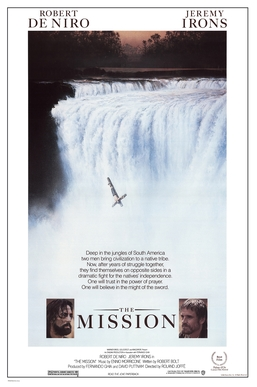
Set in the 1750s, this sweeping epic follows a Spanish Jesuit priest (Jeremy Irons) and a reformed mercenary (Robert De Niro) as they establish a mission among the Guaraní people in the South American jungle. They must eventually defend their community against the political machinations of the Portuguese and Spanish empires.
The Oboe in the Wilderness: Father Gabriel (Jeremy Irons) climbs the treacherous Iguazu Falls and enters the jungle alone. Instead of a weapon, he brings an oboe. As he begins to play a haunting, beautiful melody, the Guaraní warriors emerge from the brush, weapons drawn. They are initially hostile, but the beauty of the music—a “sign” of a higher peace—stays their hands.
Theological Connection (Acts 8:5-6): Just as the Samaritans “paid close attention to what Philip said” because of the signs they saw, the warriors are arrested by a beauty they cannot explain. This scene depicts the “Philip moment”—where a bridge is built through a sign that transcends language, preparing the way for a message that brings “great joy.”
Of Gods and Men (2010)


Based on a true story, the film follows eight French Trappist monks living in a monastery in the mountains of Algeria. When Islamic fundamentalists begin a violent insurgency, the monks must decide whether to abandon their neighbors or remain and face almost certain death.
The Testament of Love): Often called “The Last Supper” scene, the monks sit around their simple refectory table for what they know will be one of their final meals. They share two bottles of wine while listening to a recording of Tchaikovsky’s Swan Lake. The camera lingers on each face as they transition from the heavy realization of their coming death to a profound, shared smile of peace.
Theological Connection (John 14:18, 21): Jesus promises, “I will not leave you as orphans; I will come to you.” In this wordless scene, the Presence of the Advocate is visible. The “Spirit of Truth” provides a peace that the world cannot give, confirming that because they have kept the command to love, they are held by the Father.
A Man for All Seasons (1966)
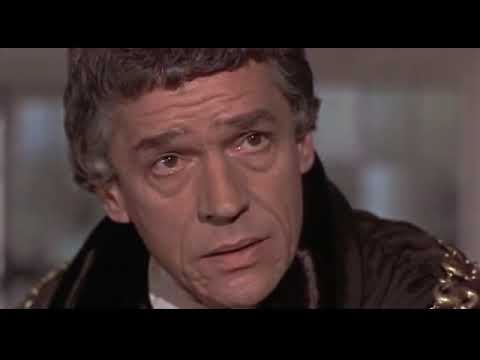

his historical drama chronicles the final years of Sir Thomas More, the Lord Chancellor of England, who refuses to sign a letter asking the Pope to annul King Henry VIII’s marriage. His refusal leads to a high-stakes battle of wits, legal maneuvering, and ultimately, his martyrdom.
The “Benefit of Law”: In a heated debate with his son-in-law, Roper, Thomas More is urged to “cut down every law in England” to get after the Devil. More famously responds, “And when the last law was down, and the Devil turned ’round on you, where would you hide, Roper, the laws all being flat?” He insists that he will hide behind the “thickets of the law” to protect his soul and his country.
Theological Connection (1 Peter 3:15): This scene highlights the “reason” in a “reasoned defense.” More sanctifies Christ in his heart, but he uses his intellect and the structures of the world to defend that hope. It demonstrates that the Christian witness is not an emotional whim, but a conviction backed by the full weight of a dedicated mind.
Episodes of popular television series that offer strong, theologically rich connections to this Sunday’s Gospel. Videos may contain spoilers.
The Chosen: “I Have Called You By Name”
Season 1, Episode 1

The Episode: This episode introduces Mary Magdalene (known as “Lilith”) at her lowest point—suffering from spiritual oppression, isolation, and a total loss of identity in the streets of Capernaum. She is an “orphan” of society, rejected by the religious establishment and herself.
Scene (The Mirror and the Name): As Mary prepares to end her life, she is approached by a stranger in a tavern. He calls her not by her street name, but by her true name: “Mary.” He recites the words of Isaiah, and for the first time in years, the chaos in her soul goes silent.
Theological Connection (John 14:15-21): This scene perfectly captures the promise of John 14:18: “I will not leave you as orphans; I will come to you.” Jesus’ intervention is the arrival of the Advocate in human form. By calling her name, He restores her to the Father, fulfilling the promise that those who love Him will be loved by the Father and will never be truly alone.
Ted Lasso: “The Diamond Dogs”
Season 1, Episode 8

The Episode: Ted, an American football coach in a British soccer league, faces constant ridicule and cynicism. In this episode, he is challenged to a game of darts by the arrogant former owner of the club, Rupert, who seeks to humiliate him.
Scene (Curiosity Over Judgment): During the high-stakes game, Ted delivers a monologue about a quote he saw: “Be curious, not judgmental.” He explains how people have underestimated him his whole life because they chose to judge rather than ask questions. He then hits a bullseye to win the game, not out of spite, but as a quiet validation of his philosophy.
Theological Connection (1 Peter 3:15-16): Ted exemplifies giving a “reason for the hope that you have” with “gentleness and respect.” He is insulted and mocked, yet he does not respond with vitriol. Instead, he offers a reasoned, humble defense of his worldview, proving that a “good conscience” and a gentle spirit are more powerful than the world’s cynicism.
Doctor Who: “Vincent and the Doctor:
Season 5, Episode 10

The Episode: The Doctor and his companion Amy travel back in time to meet Vincent van Gogh, who is struggling with deep depression and the “signs” of his mental illness. They battle a monster only Vincent can see, which serves as a metaphor for his internal torment.
Scene (The Muse at the Musée): The Doctor takes Vincent to the year 2010 to the Musée d’Orsay in Paris. There, Vincent overhears a world-renowned art historian describe him as “the greatest painter of them all.” Vincent, who lived his life feeling like an unloved failure, is overcome with tears of pure, overwhelming joy.
Theological Connection (Acts 8:5-8): The text says that when Philip preached and performed signs, “there was great joy in that city.” This scene captures that supernatural eruption of joy. By revealing the “truth” of Vincent’s value, the Doctor performs a “sign” that transforms Vincent’s Samaria (his depression) into a place of celebration, mirroring the transformative power of the Spirit to bring light into the darkest regions of the human experience.
Though not written as “worship music,” the human experiences expressed in the following pop songs echo the universal truths contained in this Sunday’s Gospel. Listeners should exercise discernment, though, as some secular releases may contain mature themes.
Higher Love
Steve Winwood

The Scripture: Acts 8:5-8 (Philip bringing joy and signs to Samaria)
The Lyric:
“Bring me a higher love / Where’s that higher love I keep thinking of? / Point it out, help me see, I believe in someone and it’s heaven to me.”
The Context: This 1986 hit is a soulful plea for a connection that transcends the mundane. The singer recognizes a void and looks for someone to “point out” a love that feels like heaven.
Theological Connection: This resonates with the Samaritans’ reaction to Philip. They were a people looking for truth, and when Philip “pointed it out” through signs and preaching, the “higher love” of the Messiah brought “great joy to that city.” The song captures the universal human longing for the very Gospel Philip delivered.
Brave
Sara Bareilles

The Scripture: 1 Peter 3:15-18 (Giving a reasoned defense with gentleness)
The Lyric:
“Say what you wanna say / And let the words fall out / Honestly, I wanna see you be brave.”
The Context: Bareilles wrote this song to encourage a friend to speak their truth in the face of fear. It’s an anthem for using one’s voice with honesty and courage rather than hiding away.
Theological Connection: Peter calls believers to “always be prepared to give an answer” for their hope. This song mirrors that call to be “Brave” in our witness. However, it also aligns with Peter’s instruction for “gentleness,” as the song focuses on the power of honest, vulnerable words rather than aggressive confrontation.
I’ll Stand by You
The Pretenders

The Scripture: John 14:15-21 (The Promise of the Advocate)
The Lyric:
“I’ll stand by you / I won’t let nobody hurt you / I’ll stand by you.”
The Context: This ballad is a promise of unwavering presence. The singer vows to stand by a loved one when they are at their lowest, promising that they will not face their battles alone.
Theological Connection: The word Jesus uses for the Holy Spirit is Paraclete, which literally means “one called alongside” or an Advocate. When Jesus promises, “I will not leave you as orphans,” He is making the ultimate “I’ll stand by you” vow. This song captures the protective, constant, and supportive nature of the Spirit who dwells within the believer.
6th Sunday of Easter (A)

Download PDF (High Resolution)
Non-profits have permission to use in their ministry.
The Heart of the Advocate
To the man standing at the threshold of the sanctuary—whether you are just beginning to whisper your “yes” in the quiet of your heart or you are already walking the hallowed halls of a seminary—the path before you is not merely a career choice. It is a radical reconfiguration of your soul.
In the readings for the Sixth Sunday of Easter, we find a roadmap for this journey. From the evangelical zeal of Philip to the courageous apologetics of Peter and the intimate promises of Jesus, the Word of God speaks directly to the modern candidate for Holy Orders. This path requires a heart that is at once courageous, ready to give an account, and profoundly in love.
The Joy of Proclamation: Philip in Samaria
In Acts 8:5-8, 14-17, we see Philip going down to Samaria to proclaim Christ. What is striking is not just his message, but the result: “There was great joy in that city.” As a future priest, your primary task is to be a herald of joy. Samaria was a place of historical tension and spiritual fragmentation—not unlike our contemporary secular world. People today are often “possessed” by anxieties, digital addictions, and a profound sense of isolation. Philip’s ministry was effective because it was accompanied by “signs.”
For the modern seminarian, these “signs” are rarely spectacular miracles, but rather the miracle of presence and authenticity. In a culture of cynicism, a man who lives with genuine Christian joy is a walking sign of contradiction. When you enter a room, do you bring the heavy air of “duty,” or do you bring the liberating joy of the Gospel? Your vocation is to go into the “Samarias” of modern life—the office buildings, the hospitals, the social media feeds—and proclaim that Christ is Lord.
The Reason for Hope: The Call to Apologetic Gentleness
The second reading from 1 Peter 3:15-18 offers perhaps the most practical advice for a man in formation: “Always be ready to give an explanation to anyone who asks you for a reason for your hope, but do it with gentleness and reverence.”
We live in an age of information but a famine of wisdom. People will ask you why you would “waste” your life in celibacy, or why you adhere to an ancient Creed. To discern the priesthood today is to commit to being a “man of the Word.” You must study—not just to pass exams, but to nourish the people of God.
However, Peter adds a crucial caveat: gentleness and reverence.
- The Trap of Triumphalism: It is easy to use theology as a weapon to win arguments. A priest who wins the debate but loses the soul has failed.
- The Bridge of Empathy: Your “explanation” must be seasoned with the “reverence” due to every human person, regardless of where they stand in relation to the Church.
Practical application in seminary means fostering a “holy curiosity” about the world. Read the great philosophers, understand the current cultural shifts, and listen to the doubts of your peers. If you cannot understand the “why” behind a modern person’s despair, you will never be able to offer them the “Reason” for your hope.
The Spirit of Truth: Living the Commandments
In the Gospel of John 14:15-21, Jesus links love with obedience: “If you love me, you will keep my commandments.” For the man discerning the priesthood, this is the definitive check against emotionalism. Vocation is not sustained by “feeling” like a priest; it is sustained by the daily, disciplined act of loving Christ through obedience.
Jesus promises the Paraclete—the Advocate—the Spirit of Truth. In a “post-truth” world, the priest is called to be a witness to objective reality. This starts in the hidden life of the seminarian. Are you truthful in your private thoughts? Are you honest with your formators? The Spirit of Truth cannot dwell in a heart that is divided or secretive.
Furthermore, Jesus says, “I will not leave you orphans; I will come to you.” This is the Eucharistic heart of the priesthood. The priest is the man who ensures that the world is never “orphaned.” Through your hands, Christ becomes present on the altar. But before you can bring Him to the altar, you must find Him in the “orphanhood” of your own prayer life. You must know what it is to be a son before you can be a father.
Contemporary Challenges and Practical Applications
The transition from discernment to ministry involves navigating a world that is often indifferent, if not hostile, to the clerical state. To thrive, you must integrate these biblical themes into your daily habitus.
1. Cultivate “Theological Hospitality”
Just as Philip welcomed the Samaritans and Peter called for gentleness, the modern priest must practice hospitality of the mind. In your parish or seminary, seek out the person you find most difficult to talk to. Practice “giving an account” of your hope to them without being defensive. This builds the “reverential” muscle needed for the confessional and the pulpit.
2. The Discipline of the Interior Life
Jesus promises the Spirit to those who keep His commandments. Practical holiness is found in the “boring” parts of discernment:
- Keeping your prayer commitments when you are tired.
- Studying your moral theology when you’d rather be scrolling.
- Maintaining healthy boundaries in friendships and digital use. The “Advocate” works through these small acts of fidelity to forge a character that can withstand the pressures of ministry.
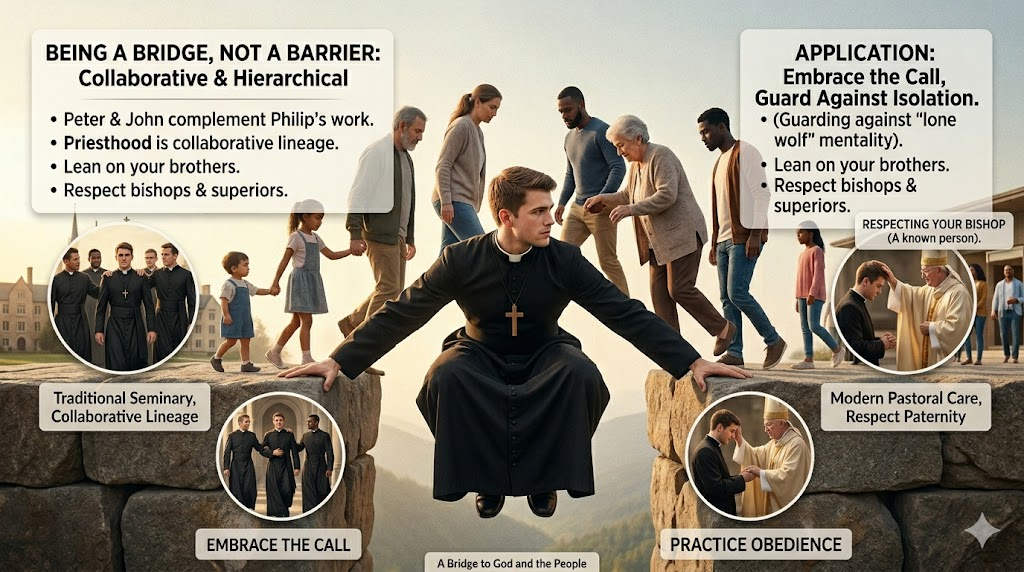
3. Being a Bridge, Not a Barrier
The readings remind us that the Apostles (Peter and John) came down to Samaria to complete the work Philip started by laying hands on the people to receive the Holy Spirit. Priesthood is inherently collaborative and hierarchical. You are part of a lineage.
- Application: If you are in seminary, guard against the “lone wolf” mentality. Lean on your brothers. Respect your bishops and superiors, even when it is difficult. A man who cannot be a brother will never be a successful father.
A Final Word of Encouragement
Brother, the world does not need more “religious professionals” or “social managers.” It needs men who have been gripped by the Spirit of Truth. It needs men who can look at a broken, Samaria-like world and bring “great joy” through the simple, radical presence of Jesus Christ.
The journey is long, and there will be moments where you feel like an “orphan” in a culture that doesn’t speak your language. In those moments, return to the Upper Room of John 14. Hear the Master say, “Because I live, you also will live.” Your life is hidden with Christ. Your vocation is His gift to the Church, and His Spirit—the Advocate—is already within you, giving you the words to speak and the love to give.
Do not be afraid. The Reason for our hope is a Person, and He has already overcome the world. Walk forward with gentleness, speak with truth, and live with a joy that the Samarias of this world can neither give nor take away. One who is the Life will make your life a “greater work” than you ever imagined possible. Stay close to the Word, stay constant in prayer, and let yourself be built into the spiritual house that Christ is raising up for the salvation of the world.
TWTW used AI to help write/edit this essay.
6th Sunday of Easter (A)
The Advocate in the Abyss: Finding Hope in Recovery
Addiction is rarely a sudden collapse; it is more often a slow, architectural erosion. It begins with the quiet removal of structural supports—honesty, connection, and self-worth—until the individual finds themselves living in the ruins of their own life. In theological terms, this state is frequently described as “orphanhood,” a profound sense of being abandoned by both God and man. However, the liturgical readings from Acts 8, 1 Peter 3, and John 14 provide a robust framework for understanding the journey from this desolation into the light of recovery. Through the lens of these scriptures, recovery is revealed not as a mere cessation of behavior, but as a communal homecoming and a spiritual awakening.

The Joy of the Breakthrough
In Acts 8:5-8, we see Philip entering Samaria, a place often viewed with suspicion and disdain. He proclaims the Messiah, and the results are transformative: “unclean spirits… came out of many,” and “many who were paralyzed or lame were cured.” The passage concludes with a striking observation: “There was great joy in that city.”
In the context of contemporary addiction, “Samaria” represents the marginalized spaces where the addicted reside—the hidden corners of a bedroom, the sterile anonymity of a gambling site, or the literal streets of a city in the grip of an opioid crisis. Addiction is a form of paralysis; it locks the individual into a repetitive cycle where the will is “lame,” unable to walk toward a better future.
Example: Consider a modern-day recovery center. The “Philip” in this scenario is often a sponsor or a peer who has walked the same path. When an individual finally breaks the silence of their struggle, there is a palpable shift in the atmosphere. The “unclean spirits” of shame and secrecy begin to exit. Much like the joy in Samaria, the first few weeks of sobriety often bring a “pink cloud” of euphoria—a sudden realization that the chains of paralysis have been lifted. However, the text in Acts goes deeper. It notes that Philip’s work was only the beginning.
The Necessity of Community
Acts 8:14-17 describes Peter and John traveling to Samaria to complete the work Philip started. They prayed for the new believers and “laid hands on them,” and they received the Holy Spirit. This highlights a crucial truth in recovery: The breakthrough requires a community, but the sustainability requires a deeper, spiritual infusion.
Addiction thrives in isolation. A person might stop using a substance through sheer willpower for a time, but without the “laying on of hands”—the physical and emotional support of a community—the recovery remains fragile. In contemporary life, this is the 12-step meeting, the church small group, or the family therapy session. It is the moment when the “lonely orphan” realizes they are part of a lineage. The Holy Spirit acts as the ultimate connective tissue, moving the recovery from a mental decision to a heart-level transformation.
The Reason for Hope
If Acts provides the external joy of recovery, 1 Peter 3:15-18 provides the internal discipline. Peter writes, “Always be ready to give an explanation to anyone who asks you for a reason for your hope.” This “reason for hope” is the most powerful tool a recovering person possesses.
In the depths of active addiction, hope is a foreign language. To a person who has lost their job, their marriage, or their health, hope feels like a cruel joke. Yet, as recovery takes hold, the individual begins to manifest a quiet resilience.
Example: Imagine a woman three years into recovery from alcoholism. She is at a professional gathering where drinks are being served. When she politely declines, someone asks her why. Her “explanation” isn’t a lecture; it is a testimony of hope. She doesn’t just say she quit drinking; she explains that she found a way to live that doesn’t require a chemical buffer.
Peter also addresses suffering: “For it is better to suffer for doing good… than for doing evil.” This is a profound distinction in recovery. Addiction involves “suffering for doing evil”—the pain of hangovers, legal trouble, and broken trust. Recovery, however, involves the “good suffering” of withdrawal, the discomfort of making amends, and the discipline of rigorous honesty. Christ’s suffering, as Peter notes, was to “lead you to God.” In the same way, the discomfort of recovery is the bridge back to a life of purpose.
The Advocate and Spirit of Truth
The Gospel of John 14:15-21 strikes at the psychological heart of addiction. Jesus promises, “I will ask the Father, and he will give you another Advocate to be with you always, the Spirit of Truth.” He adds the piercing promise: “I will not leave you orphans.”
Addiction is fundamentally a “Spirit of Lies.” It tells the user they are not enough, that they are alone, and that they cannot survive without their “fix.” The recovery process is a systematic dismantling of these lies. The “Spirit of Truth” is what clinicians might call “cognitive reframing,” but on a spiritual level, it is the indwelling of God’s perspective on one’s own worth.
The Orphan Identity vs. The Beloved Identity The “orphan” feels they must scramble to protect themselves, steal for what they need, and hide their true selves to survive. An addict is a spiritual orphan. When Jesus says, “I will come to you,” He is offering a new identity.
Example: A young man in recovery often struggles with the “orphan spirit” of believing he is fundamentally unlovable because of his past mistakes. He follows the “commandments” mentioned in John 14:15—not as a set of cold rules, but as boundaries that keep him safe within the love of God. Keeping these “commandments”—honesty, service to others, daily prayer—is how he stays connected to the Advocate. The Advocate (the Paraclete) literally means “one who walks alongside.” In recovery, this is the internal voice that counters the urge to relapse with the truth of one’s dignity.
Conclusion: Integrated Life
The journey of addiction and recovery, viewed through these scriptures, is a progression from the oppression of Samaria, through the witness of Peter, to the intimacy of John’s Gospel.
Recovery is not a destination but a way of being. It is the ongoing process of inviting the “Spirit of Truth” into the dark rooms of the soul. It recognizes that while we may suffer, that suffering can be redemptive rather than destructive. Most importantly, it assures the person in recovery that they are no longer an orphan. They have an Advocate, a community to “lay hands” on them, and a “reason for hope” that can withstand the pressures of contemporary life.
By weaving these biblical themes into the fabric of daily existence, recovery ceases to be a struggle against a substance and becomes a joyful participation in the life of the Spirit. As in the city of Samaria, when the truth is spoken and the paralyzing lies are cast out, there is—at long last—great joy.
TWTW used AI to assist him in writing this essay.