
CATECHISMREFERENCESVIDEOS
33rd Sunday of Year A
Catholic
Answers
TBD



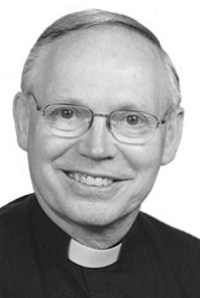
Fr. Vincent
Hawskwell
TBD
TBD
Doctrinal
Homily
Outlines
TBD

33rd Sunday of Year A

Homiletic Directory
The paragraphs were chosen either because they cite or allude to the specific readings, or because they treat topics found in the readings.
Fr. Clement
Thibodeaou
TBD

33rd Sunday of Year A

Word
Sunday
TBD
33rd Sunday of Year A
Fr. Eamon
Tobin
TBD




Click on image at left to view a REVIEW of Ascensions color-coded book of the Catechism.
3-Minute Catechism
70 hand drawn and animated episodes, each 3-4 minutes long. The series follows and explains the Creed, covering all four parts of the Catechism.
MAN: Episodes 1-6


3MC - Episode 01 - What is man?
3MC - Episode 02 - What is the Soul?
3MC - Episode 03 - What is the difference between believing and knowing?
3MC - Episode 04 - What does it mean to “believe in God?”
3MC - Episode 05 - Is there a proof for the existence of God? ***
3MC - Episode 06 - What are miracles? ***
REVELATION: 7-11
3MC - Episode 07 - Why does God reveal Himself?
3MC - Episode 08 - How has God revealed Himself?
3MC - Episode 09 - How is Revelation passed on?
3MC - Episode 10 - What are the parts of the Bible?
3MC - Episode 11 - Who decided what belongs in the Bible?
GOD: 12-20
3MC - Episode12 - Who is God?
3MC - Episode 13 - Is God really All-powerful? ***
Sequence 14 - Is God really unchanging? ***
3MC - Episode 15 - Is God a man with a long beard? ***
3MC - Episode 16 - What does it mean that God is Triune?
3MC - Episode 17 - How can we summarize belief in the Trinity?
3MC - Episode 18 - How can we understand the Trinity? ***
3MC - Episode 19 - What pictures do we have of the Holy Trinity?
3MC - Episode 20 - What does it mean that God is Love?
CREATION: 21-26
3MC - Episode 21 - What is Creation according to the Church?
3MC - Episode 22 - Is there a contradiction between Faith and Science?
3MC - Episode 23 - Is there a contradiction between the Creation and Evolution?
3MC - Episode 24 - What is Evil?
3MC - Episode 25 - What is Original Sin?
3MC - Episode 26 - Does the Devil exist?
JESUS: 27-33
3MC - Episode 27 - Who was Jesus?
3MC - Episode 28 - Why did God become Man?
3MC - Episode 29 - Why did Jesus come into the world 2000 years ago?
3MC - Episode 30 - How did Jesus live?
3MC - Episode 31 - How is Jesus different from the founders of other religions?
3MC - Episode 32 - How did Jesus save us on the Cross?
3MC - Episode 33 - How does the grace of salvation come to us?
SACRAMENTS: 34-50
3MC - Episode 34 - What is Grace?
3MC - Episode 35 - How do we receive and increase grace?
3MC - Episode 36 - What is Baptism?
3MC - Episode 37 - What is Confirmation?
3MC - Episode 38 - What is the Eucharist?
3MC - Episode 39 - What is Holy Mass?
3MC - Episode 40 - What are the parts of the Mass?
3MC - Episode 41 - What are Sins?
3MC - Episode 42 - What are the 10 Commandments?
3MC - Episode 43 - What are the 7 Capital Sins?
3MC - Episode 44 - What is Confession?
3MC - Episode 45 - What is Anointing of the Sick?
3MC - Episode 46 - What is a Catholic Priest?
3MC - Episode 47 - What are the degrees of the Sacrament of Holy Orders?
3MC - Episode 48 - What is marriage?
3MC - Episode 49 - What is sex? ***
3MC - Episode 50 - What does the Church teach about sexual morality?
CHURCH: 51-60
3MC - Episode 51 - Who is the Holy Spirit?
3MC - Episode 52 - What is the Church?
3MC - Episode 53 - What are the four characteristics of the Church?
3MC - Episode 54 - Why does the Church even exist?
3MC - Episode 55 - What is the structure of the Church?
3MC - Episode 56 - What are monks, nuns and religious orders?
3MC - Episode 57 - What and how many?
3MC - Episode 58 - Criticism of the Church ***
3MC - Episode 59 - Why do Catholics call on the Saints?
3MC - Episode 60 - Who is Mary?
LAST THINGS: 61-64
3MC - Episode 61 - What happens at the end of our lives?
3MC - Episode 62 - What will we do in Heaven?
3MC - Episode 63 - What is purgatory?
3MC - Episode 64 - What is Hell?
SANCTITY: 65-70
3MC - Episode 65 - What is man in light of the faith?
3MC - Episode 66 - Is everyone called to holiness?
3MC - Episode 67 - What are virtues? ***
3MC - Episode 68 - What is prayer?
3MC - Episode 69 - What is the role of the body in prayer?
3MC - Episode 70 - What is the Our Father?