Fr. Austin Fleming
3rd Sunday of Lent B

“Thou Shall Not”
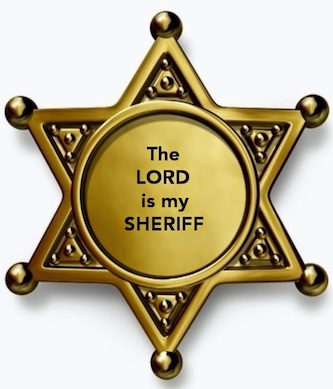
In his homily “Thou Shalt Not!,” Fr. Fleming reflects on the 10 Commandments and how they can be perceived in simpler terms, particularly in the context of the old wild west. He presents a more relatable version of the commandments that cowboys might understand, emphasizing the importance of living a moral and virtuous life.
Fr. Fleming suggests that the commandments are not meant to strip away joy from life, but rather to guide individuals towards happiness and fulfillment. By following the commandments, one can cultivate a deeper relationship with God and experience true peace and joy.
Fr. Fleming encourages listeners to reflect on their own lives and consider whether they are living by their own desires or by the wisdom of the Lord. Ultimately, he emphasizes the importance of God’s mercy and forgiveness, inviting everyone to approach the Lord’s table with humility and gratitude.
Homiletic Pastoral Review
3rd Sunday of Lent B

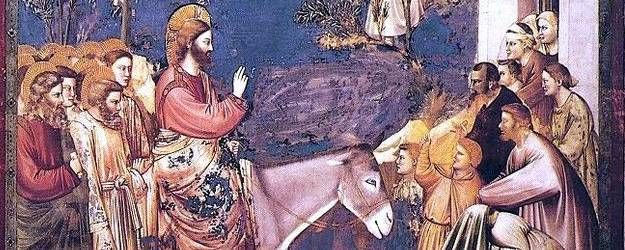
Jesus as the New Temple
In his 2021 homily, Fr. Monnig explores the notion that God was not a distant figure in the religion of the Old Testament, but rather very near to the people of Israel, particularly in the Law and the Temple. He emphasizes the importance of these structures as gifts from God, serving as places of encounter and worship. Fr. Monnig delves into the significance of Jesus as the new Temple, embodying God’s presence among his people. He explains the symbolic nature of Jesus’ actions in the Temple, pointing to his death and resurrection as key elements in understanding his role as the new Temple. Fr. Monnig connects this concept to the season of Lent, urging listeners to clean out the temple of their hearts from sin and allow God to dwell within them. He emphasizes the importance of Jesus as the way to encounter God and enter into a relationship with Him. Fr. Monnig concludes by encouraging individuals to reflect on their own lives and strive to be true temples, dwelling places of God where they can encounter Him and be raised to new life._
Fr. Matthew Monnig, SJ, is a Jesuit of the East Province and was ordained in 2007. He is now an assistant professor of New Testament at the Boston College School of Theology and Ministry and lives in the attached formation community.
Basilica of the National Shrine
3rd Sunday of Lent B

Our Covenant Journey
In his 2018 homily, Msgr. East reflects on the covenant journey during Lent, particularly focusing on the covenant made with Moses and the giving of the Ten Commandments. He emphasizes that the commandments are not meant to punish, but to give life and establish a bond of love within the community. The homily highlights the importance of connecting with ancestors and previous generations through following the commandments. Msgr. East draws parallels between Moses as the recipient of the commandments and Jesus as the new Temple, where God’s presence dwells. He then encourages listeners to see themselves as temples, welcoming the Holy Spirit within them through fasting, prayer, and almsgiving. He calls for individuals to allow the Holy Spirit to shine through them, walking with Jesus during Lent and inviting others to join them on this journey of faith.
Dominican Blackfriars
3rd Sunday of Lent B

In his 2018 homily, Fr Richard Ounsworth, O.P. explores the significance of the cleansing of the temple by Jesus, a story that is found in all four Gospels. He explains that Jesus’s actions were not just about getting rid of corrupt practices in the temple, but about making a profound claim about himself. By driving out the sellers and money changers, Jesus was symbolically pointing towards the fulfillment of the prophecy of Zechariah, where on the day of the Lord, the temple would no longer be needed as the whole world would be sanctified by the presence of the Lord.
Fr Ounsworth highlights that Jesus brings in this new day of the Lord where true worshipers will worship in spirit and in truth, beyond the confines of physical temples. He emphasizes that Jesus’s zeal for the house of God extends to his love for the whole world and every human heart that welcomes his Spirit of truth and love.
Finally, Fr Ounsworth challenges the listeners to accept Jesus’s life-giving love and to die to sin for love of him, just as Jesus’s zeal for our hearts consumed him on the Cross._
Bishop Robert Barron
3rd Sunday of Lent B

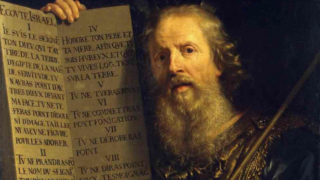
The Ten Commandments
2018 PODCAST:
The story of the Transfiguration of Christ has beguiled the Christian mind for centuries. It is the clearest New Testament evocation of mystical experience, the experience of spiritual things within the ordinary and the keen conviction that the spiritual reality is greater and more beautiful than ordinary experience. “Mystical” means there has been contact with a Person: the person of God.
RELATED SERMONS:
Back to Fundamentals (2012)
Cleansing the Temple (2018)
Zeal for your House Consumes Me (2003)

3rd Sunday of Lent B

In his 2018 homily, Fr. Hahn addresses the troubling political divisions and violence in society, emphasizing the need for the truth and love of God to keep us united. He highlights the importance and relevance of the Ten Commandments as universal principles that lead us from the slavery of sin to true freedom. Fr. Hahn laments the abandonment of these principles in society, leading to widespread violence and a lack of respect for human life. He reminds the congregation that Jesus Christ is the answer to all the challenges we face, and calls for a return to the wisdom of God and obedience to his teachings. Fr. Hahn concludes with a prayer for healing and a turning of hearts back to God.
The Ten Commandments are universal principles that can help address the deep division and hostility in society, and Jesus Christ is the answer to the troubling questions of our age.
- 00:00 🙏 Our society is divided and threatened, but the truth and love of God can unite us and address the evil and sin causing violence.
- 02:20 🔑 The liberating principles lead us from the slavery of sin to true freedom, regardless of faith.
- 02:55 📜 The Ten Commandments are universal principles that bind every human person and express the natural law inscribed in the heart of every person, and are the only constructs that can hold a society together.
- 03:41 🔥 We have banished them from our public schools and then we are shocked at the violence in our nation, including abortion mills that destroy thousands of unborn children.
- 04:05 🙏 Our lack of reverence for human life and abandonment of God’s truth has led to cultural voices that repudiate the law of the Lord.
- 05:03 📜 Our battle between the ways of the world and the ways of God has always existed, with the fullness of God personified in Christ.
- 05:45 📖 Jesus Christ is the answer to all the questions and suffering of our age, showing us the path to eternal life and the wisdom of God.
- 06:38 🙏 Jesus purifies the church and only through God’s teachings in the church can we understand human nature and find healing and guidance.
- 00:00 We all know I think of the troubling and dramatic political divisions in our nation. It seems that we are more polarized than ever we see sadly so much violence in our society. It expresses an even more harsh division and hostility among us and I fear that a very deep level the very unity of our society and our nation has been disrupted and threatened I fear that we have lost or are in the process of losing the one thing that can keep all of us United the only thing that can keep us. United the truth and love of God and our first reading. Today we hear of the Lord’s giving to Moses of the Ten Commandments. You know I think maybe this is too familiar an event for us. We can gloss over the magnificence of this gift. We can even think even subliminally that these Commandments are somehow outdated or peripheral in today’s world and maybe that is at the heart of the problem in our society and in our world. Maybe all those acts of violence that seem to be occurring with greater frequency in our time are not the result of some social or psychological malady which can be addressed or solved by social or psychological constructs. Maybe and I hope all of us see undeniably. These are the results of evil and sin and they can only be addressed and solved by the truth of God by the teachings of his church about who we are and how we are called to live. The ten commandments is that first reading began.
- 02:20 I am the lord who called you out of slavery into Egypt. They are these liberating principles to lead all of us from the slavery of sin. They’re not legalistic or rigid in positions against freedom. They are the only path to true freedom. They’re not somehow confessional of a particular faith which would mean constitutionally. They would have to be barred from our nation.
- 02:55 They’re not just for a few even though in assistance they are given by God to the chosen people. The ten commandments are universal principles which bind every human person and they express the natural law that is inscribed in the heart of every human person and they are the only constructs that can ever hold a people and a society together and we know so sadly in our culture. We have abandoned them in so many ways we have banned the display of the Ten Commandments from our public buildings.
- 03:41 We have banished them from our public schools and then we are shocked not just at the recent high school shootings in Florida. The violence so many places in our nation not least of which is in the abortion mills that each day destroy thousands of unborn children.
- 04:05 It seems we’ve have a total lack of reverence and respect for the sanctity and dignity of every human life sadly in so many ways. We’ve abandoned the truth and the wisdom of God as it relates to human nature and human behavior and we replaced it with human conjecture and yet we face these issues in that joy and hope that is our faith. The Responsorial Psalm that we have just sung Psalm 19. We would do all well to meditate upon speak so that timeless truth again. There’s so many voices in our culture repudiate the law of the Lord is perfect refreshing the soul. The precepts of the Lord rejoiced the heart enlightened the eye.
- 05:03 They are more precious than gold sweeter than syrup or honey from the calm. What a profound and undeniable truth that these poetic words convey and yet you and I continue in the midst of this battle between the waves of the world and the waves of God and the battle has always been with us and always will be from the time of that first sin. St. Paul writes about in our second reading how the fullness of the ways of God are of course bound in and personified in Christ and so st. Paul summarizes this ongoing debate if you will with his famous words.
- 05:45 Jews demand signs and Greeks look for wisdom but we proclaim Christ crucified Christ the power of God and the wisdom of God. You see Jesus Christ is the answer to all the vexing and troubling questions of our age. He is the answer to all the cries of suffering and anguish that come about violent and untimely deaths he who suffered and died for us to show us the path to eternal life. He is the one who shows us the wisdom of God and the way for us to live in humility and obedience and service today’s gospel.
- 06:38 He is filled with the zeal of the Lord as he encounters the money changers in that temple which image his body the church he acts with great power to purify it from the corrupting influences of the money changers and then we are told that he would not trust himself to them and did not need anyone to testify about human nature for he himself understood it well. Indeed. God is the only one who understands human nature and it is only the fullness of his teachings expressed in his church that we will understand it too. So we continue in this time of upheaval. It seems always in the joy and hope of our faith to pray that God will grant our nation healing we pray that he may turn the hearts and minds of so many back to him so that his wisdom and his power his love and his truth and not the empty ways of the world may guide us always.
Fr. Charles E. Irvin
3rd Sunday of Lent B

God’s House, Not Just Ours
Fr. Irvin emphasizes in his homily that God is present in the church building, which is His house, not just ours. He highlights the importance of conducting ourselves reverently in this space, acknowledging the Real Presence of Christ in the tabernacle, and showing respect for those who are praying. Fr. Irvin also draws a parallel between the physical church building and the temple of the Holy Spirit that resides within each of us as baptized Christians.
Fr. Irvin stresses the need for introspection during Lent, comparing it to spring cleaning for our souls, in order to evaluate and cleanse ourselves of any negative influences that may desecrate the temple of the Holy Spirit within us. Fr. Irvin encourages us to reflect on the activities that go on inside our temple and to ensure that we are living in a way that reflects the presence of God within us.
Fr. Joe Jagodensky, SDS
3rd Sunday of Lent B
We proclaim Christ crucified, a stumbling block to many
Suffering sometimes seems unbearable. For Christians, the cross can make us very uncomfortable; it makes the temptation to “hide from suffering” more difficult. The cross reminds us that suffering is. It happens. It is part of life, and there is no getting around it. The only true spiritual path is the one that passes through suffering. By looking at the cross (sometimes it feels more like the cross is staring into us), we are given the courage to face our suffering and the suffering of others. . . .
3rd Sunday of Lent B


Cleansing Our Temple
In his homily, Fr. Jude reflects on the significance of the Temple as a place of encounter with God as we enter the third week of Lent. He draws a parallel between the current state of church worship and the scene when Jesus drove out the money changers and animals from the temple grounds. Fr. Jude emphasizes the need for reverence and respect in the church, especially after receiving communion, as a way to thank and connect with the Lord. He reminds the congregation that their bodies are temples of the Holy Spirit and that Lent is a time to cleanse and purify themselves, just as Jesus cleansed the temple. Father concludes by encouraging everyone to practice self-reflection on fasting, almsgiving, and confession during Lent in order to honor God and maintain the sanctity of our bodies as temples of the Holy Spirit.
Fr. George Smiga
3rd Sunday of Lent B

Looking Backwards
In his 2015 homily, Fr. Smiga reflects on the experience of growth and understanding that comes with time and experience. He uses the example of Mark Twain’s quote about gaining appreciation for his father as he grew older to illustrate how our perspective and knowledge deepens throughout life.
Fr. Smiga then highlights the disciples’ realization of the true meaning of Jesus’ words about the temple of his body after his resurrection, emphasizing how looking backward often brings clarity to our lives. He applies this concept to major life decisions such as marriage, career choices, and friendships, noting that true understanding of these commitments often comes with time and lived experience.
He reassures listeners that although we may only gradually comprehend the depth of our choices, God fully understands us and guides us towards the life intended for us. He encourages trust in God’s plan and faith that each day brings us closer to the fulfillment of our true purpose.
Fr. Anthony Ekpunobi, C.M.
3rd Sunday of Lent B

Msgr. Joseph Pellegrino
3rd Sunday of Lent B

He Understood Them Well

In his homily, Msgr. Pellegrino reflects on Jesus’ cleansing of the Temple, highlighting how people can twist sacred commands for personal gain. He discusses historical examples, such as the selling of indulgences, to illustrate how some have exploited religion for profit.
Msgr. Pellegrino praises organizations like Catholic Relief Services for their ethical practices and stresses the importance of honesty and charity in helping others. He commends those who strive to succeed in an honest and caring way, showing generosity and avoiding exploitation.
Msgr. Pellegrino emphasizes Jesus’ understanding of human nature and the importance of living a life dedicated to God. He points to the resurrection as a call to faith and a reminder that true fulfillment lies in spiritual pursuits rather than material gain. Lent, he explains, offers a time for self-reflection and reorganizing priorities towards living for God. The homily concludes with a call to walk in the light of Christ, guided by the lessons of Lent in the journey of life.
Msgr. Charles Pope
3rd Sunday of Lent B
If we would but see the Commandments as promises, as power, as proleptic (i.e., announcing ahead of time what will become fully the case later), many would be far less resentful and far more joyful in what the Lord offers. Let’s consider aspects of these Commandments that may help us come to a richer understanding of the Christian and biblical moral vision. They describe the life Jesus died to give us, a wholly transformed and increasingly glorified life, as we see sins put to death and every kind of virtue come alive.
Bishop John Louis
3rd Sunday of Lent B

Fr. Michael Chua
3rd Sunday of Lent B

Fr. Tom Lynch
3rd Sunday of Lent B

Clergy E-Notes
“…if the family is the sanctuary of life, the place where life is conceived and cared for, it is a horrendous contradiction when it becomes a place where life is rejected and destroyed. So great is the value of a human life, and so inalienable the right to life of an innocent child growing in the mother’s womb, that no alleged right to one’s own body can justify a decision to terminate that life, which is an end in itself and which can never be considered the “property” of another human being.”
— Pope Francis
Fr. Phil Bloom
3rd Sunday of Lent B

That Just Man
Bottom line: None of us – on our power – can keep the Commandments. Without Jesus we fall flat on our faces.
Fr. Bloom’s homily centers on the significance of the Ten Commandments and the blessings they bring to our lives. He emphasizes that the Commandments are democratic, applying to all individuals regardless of age or status, and serve as a liberation from negative behaviors, allowing one to fully enjoy the many blessings in life. Fr. Bloom also discusses how following the Commandments leads to a limited government, as citizens who take personal responsibility and live honest lives contribute to a society that respects freedom and virtue.
3rd Sunday of Lent B

The Ten Commandments forming our Conscience
Do you have a dog? If you do, I’m sure your dog knows the following rules must be obeyed. The refuse-collector is not stealing our belongings. I must not stand straight up when I am lying under the coffee table. My head does not belong in the refrigerator. What do you think of the following rules for eating chocolate? We should eat more fruit: chocolate-coated raisins, cherries, and orange slices all count as fruit, so eat as many as you want. We are supposed to eat a balanced diet so eating equal amounts of white and dark chocolate is a balanced diet.
The dog learned rules from the family. On the other hand, the rules for chocolate were twisting reason in order to allow one’s desires to be satisfied. What about our journey through life? How do we know how to live?…
Fr. John Kavanaugh, S.J.
3rd Sunday of Lent B

Imperatives of Faith
EXCERPT: God does not advise us not to kill. God commands us. And it is a command not based upon whether we are happy or productive, or whether we are dealing with our friends, co-religionists, good Americans, or the innocent. Yet we all make exceptions: the ancient Jewish people as well as the contemporary Jewish state, medieval Christians as well as modern Catholics, Kant as well as Aquinas. History serves, Hegel said, as little more than a slaughtering block.
There is more than one paradox in all of this. Each of the commandments, it can be said, is not some external and irrational fiat from an alien God. Rather, each is an expression of the truth God has made in us. If we worship idols or worship our work, if we covet person or property, if we dishonor those who have given us life, we not only reject the law of God, we destroy what we are. For the duty imposed on us by God is not a function of Kant’s pure rationality or some arbitrary legislation of a distant deity. It is the duty to be true to what we are—limited but loved creatures.
Bishop Frank Schuster
3rd Sunday of Lent B
Cleansing the Temple of the Heart
Bishop Schuster’s 2021 homily delves into the Gospel reading regarding Jesus cleansing the temple, drawing attention to the relationship between money and the Church. He reflects on how the temple transitioned from a prophetic place to a profitable one, cautioning against prioritizing money over ministry in the Church. The bishop praises the parish community’s efforts in living out their faith through various charitable initiatives both locally and globally.
He then shifts the focus to the deeper question raised in the Gospel reading – the efficacy of temple sacrifice in Jesus’ perspective. Bishop Schuster delves into the concept of spiritual conversion and the sacrifice of a humble heart rather than animal offerings, emphasizing Jesus’ overturning of sacrificial theology through his own sacrifice for salvation. He highlights the personal call for spiritual reflection and growth during Lent, urging individuals to cleanse their hearts of clutter and earthly desires to draw closer to Jesus.
The homily underscores the importance of responding to Jesus’ sacrifice with a conversion of heart and stewardship, aligning one’s actions with the love of God and neighbor. Lent is presented as an opportunity for spiritual growth and self-reflection, prompting the congregation to cleanse the temple of their hearts, demonstrating a genuine commitment to faith and love._
Fr. Michael Cummins
3rd Sunday of Lent B
Christ Crucified
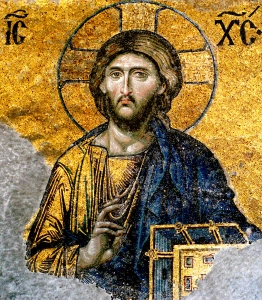
EXCERPT: It has been said that when it comes to Jesus there are basically only three options to choose from: either Jesus is a madman, a lunatic (How many people throughout the centuries, struggling with sanity, have concluded that they must be God?), either he is a liar and therefore one of the most evil people of all history, someone willing to deceive generations into the belief that he is God or lastly, he actually is who he says he is. These are the options we have to choose from and if we are to be authentic in life then at some point we must each make a choice.
3rd Sunday of Lent B