August 31, 2025
August 31, 2025


Intro to Mass Readings for Sunday
Intro to Mass Readings for Sunday


22nd Sunday of Year C
Sirach 3:17-18, 20, 28-29
Sirach 3:17-18,
20, 28-29
POP-UP Video | NAB w/ Notes | LECTIONARY
Click graphic above to view intro to reading
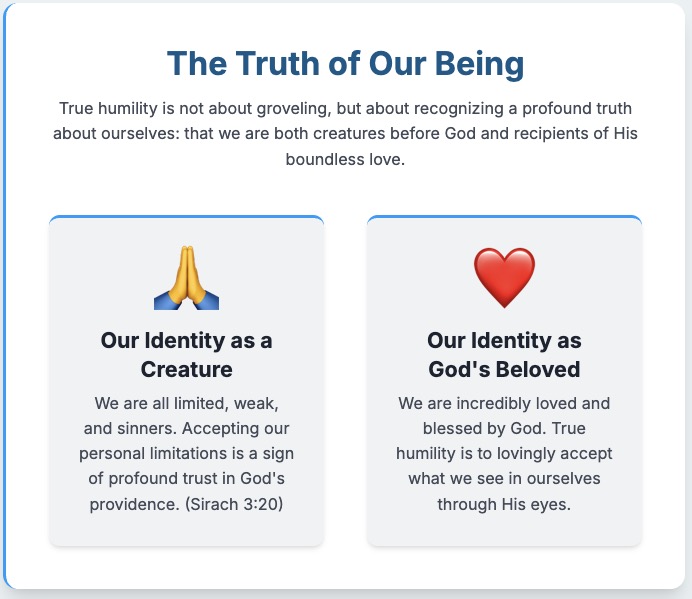
The reading from Sirach focuses on the profound virtue of humility. He clarifies that humility is not about “groveling” or thinking less of ourselves, but about recognizing the truth of our being. This truth has two parts: first, that we are all sinners and in need of God’s mercy; and second, that we are incredibly loved and blessed by God.

The reading’s central message is that humility leads to love, making us “loved more than a giver of gifts.” It directly challenges the pitfall of pride, which makes us think of ourselves as self-sufficient and consequently keeps us from receiving God’s mercy and extending it to others. When we recognize our own limitations and need for God, we find it much easier to be merciful to those around us. Ultimately, the reading frames humility as the key to finding favor with God and living a life rooted in the truth of who we are.
Clipart by Fr. Richard Lonsdale

Humility
by Larry Broding

This commentary on Sirach reveals how the ancient virtue of humility is the key to surviving times of strife and political turmoil. It argues that humility is not about groveling, but about recognizing the truth of your place before God and others. This wisdom, far from being weak, is a source of true strength.
“True humility is simply to know our place in the greater scheme of things. It is to look at ourselves through God’s eyes and lovingly accept what we see. This knowledge and self-acceptance give us sure means to survive times of uncertainty.”
The reflection challenges us to consider: how can you practice humility in your daily work and at home?

The Catholic Wisdom of Humility in Sirach
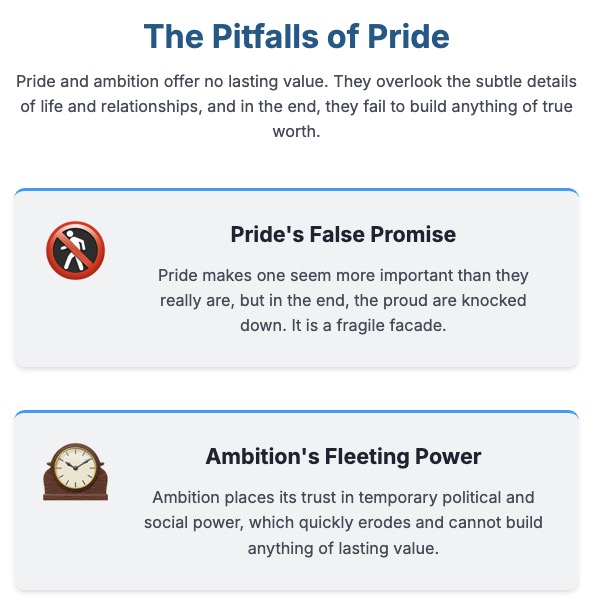
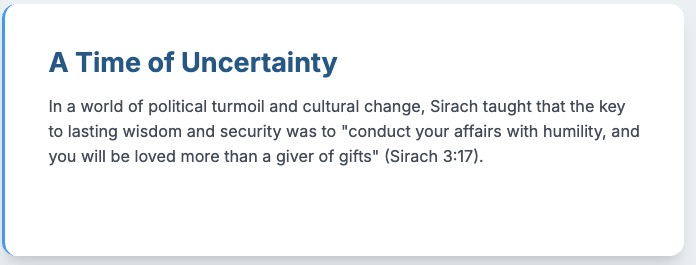
The book of Sirach, written around 180 B.C., offers a profound and practical lesson on the virtue of humility. For its original audience, living in a time of political turmoil and cultural change, Sirach’s advice must have seemed counter-intuitive. In an era where ambition and pride were seen as the path to survival, Sirach taught that the key to finding lasting wisdom and security was to “conduct your affairs with humility, and you will be loved more than a giver of gifts” (Sirach 3:17). This ancient text clarifies that true humility is not about groveling but about recognizing the fundamental truth of our being: our status as a creature before God and our shared humanity with others. It is this knowledge that allows us to navigate life’s inevitable challenges and find true favor with God.
Within Catholic theology, this passage from Sirach resonates deeply with the principle of sanctifying grace. Humility is the necessary disposition to receive God’s grace. When we acknowledge our limitations and our need for God’s mercy—the truth of our being—we open ourselves to the grace that can transform us. Pride, on the other hand, is a barrier to this grace, as it makes us believe we are self-sufficient. This passage teaches that humility is the fertile ground in which faith can take root and grow. By accepting our “personal limitations and life situations which do not seem to have rational explanations” (Sirach 3:20), we embrace our identity as creatures and trust in God’s providence. Humility, therefore, is not a sign of weakness; it is a sign of profound trust in God’s loving power.
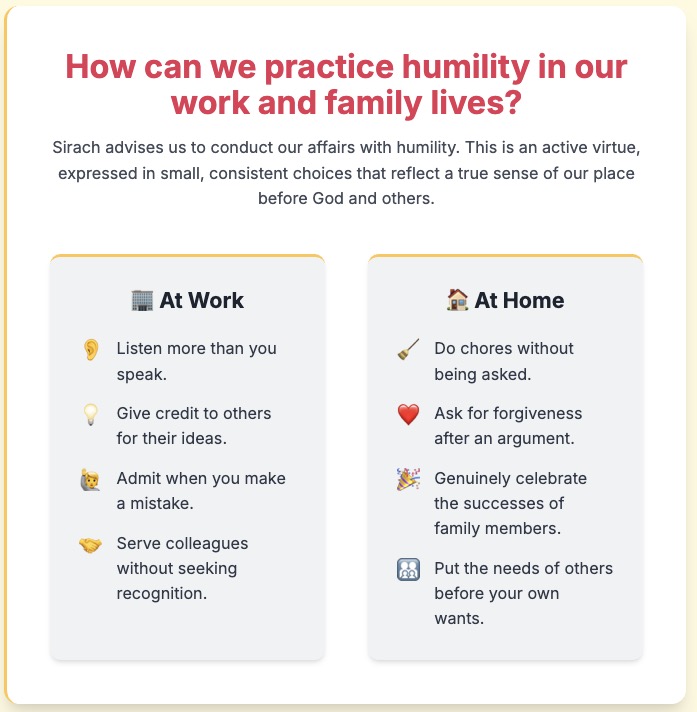
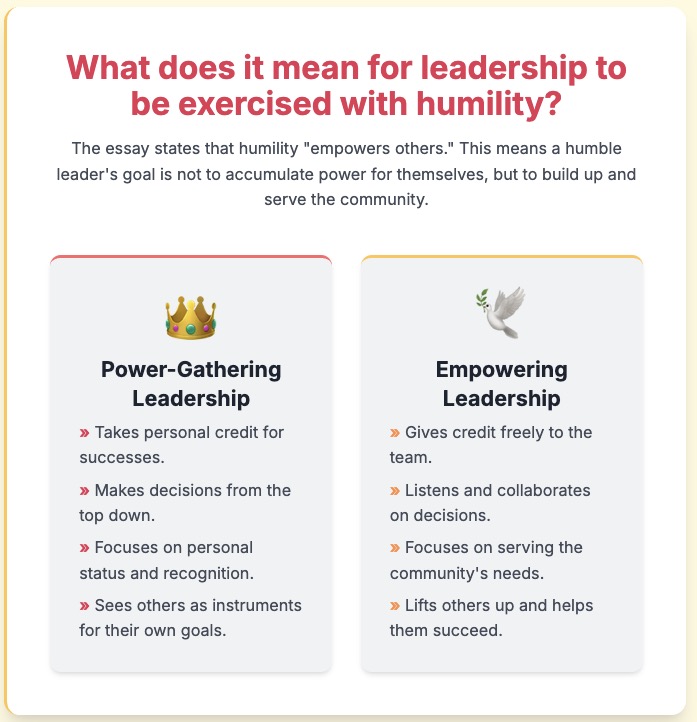
For contemporary Catholics, Sirach’s wisdom is as relevant today as it was in the ancient world. In a culture that often celebrates self-promotion and ambition, this reading challenges us to reframe our understanding of success. The humility Sirach describes is an active virtue, expressed in our daily actions. It means having an “openness of mind and heart to learn from others” (Sirach 3:28) rather than believing we have all the answers. It means “walking in the shoes of others and act[ing] with compassion” (Sirach 3:29), especially for the poor and marginalized. This humility empowers us to be a presence of Christ in the world, not by gathering power for ourselves, but by empowering others. By lovingly accepting who we are through God’s eyes, we find the courage to live authentically and confidently, even in a world of uncertainty.
Reflection Questions
On True Humility:
- The essay says that true humility is to “look at ourselves through God’s eyes and lovingly accept what we see.” What does this mean to you in a practical sense?
- How does this understanding of humility differ from the world’s view of being humble (e.g., groveling, thinking less of yourself)?
On Grace and Pride:
- How does pride act as a barrier to receiving God’s grace?
- The essay mentions accepting our “personal limitations.” Can you share an example of a time when accepting a limitation helped you trust in God more?
On Humility Today:
- How can we practice humility in our work or in our family lives, as Sirach advises?
- The essay states that humility “empowers others.” What does it mean for leadership to be exercised with humility, and what does that look like in our communities?
THE WORD THIS WEEK’S Catholic Infographics were created using AI generative tools (i.e. Chart.js and Tailwind CSS. Content may be copied for personal use or for use in any non-profit ministry.

22nd Sunday of Year C
Hebrews 12:18-19, 22-24a
Hebrews 12:18-19,
22-24a
POP-UP Video | NAB w/ Notes | LECTIONARY
Click graphic above to view intro to reading
The reading from Hebrews 12 challenges the audience to move beyond a relationship with God based on fear and toward one grounded in love and confidence.

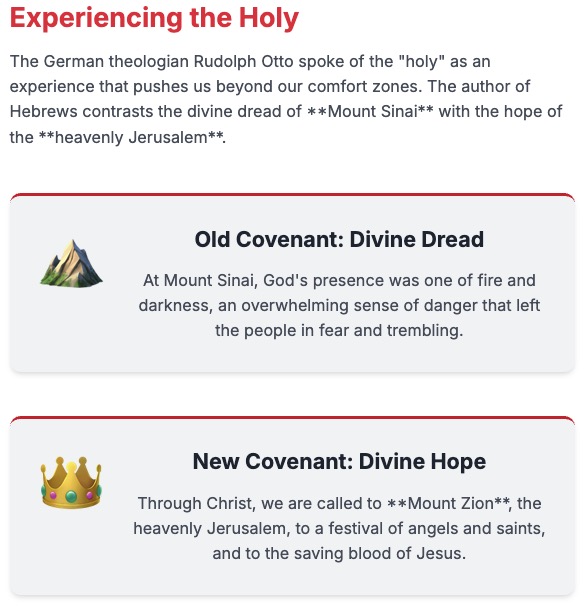
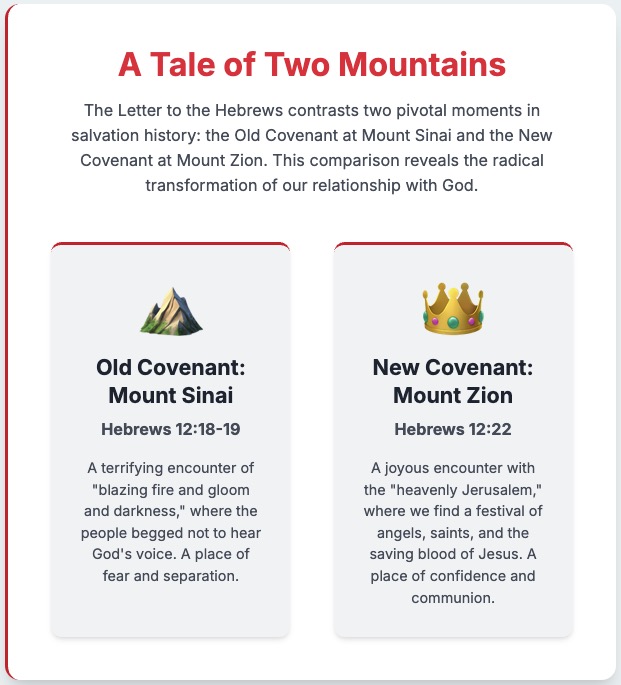
Fr. Galetto begins by contrasting the Old Covenant, where the people of Israel met God at Mount Sinai in a terrifying scene of fire and darkness, with the New Covenant. The Old Covenant was an experience of a God who was distant and awesome, and the people were afraid to even hear his voice.
The great gift of the New Covenant is that through Christ, we are now invited not to Mount Sinai, but to Mount Zion, the “city of the living God.” Fr. Paul emphasizes that we are invited into the heavenly Jerusalem to a festival of saints, angels, and the blood of Christ. This new reality allows us to approach God not with fear and trembling, but with confidence and joy, as members of his family.
Clipart by Fr. Richard Lonsdale
The Experience of God
by Larry Broding
In his reflection, Larry Broding invites us to consider a powerful question: How do we experience God? He uses Rudolph Otto’s concept of the “holy” to contrast the ancient experience of divine dread at Mount Sinai with the hope and confidence we find in the heavenly Jerusalem.
Broding’s commentary on Hebrews challenges us to move beyond a detached, intellectual faith and into an experiential one. He argues that becoming Christian isn’t just about belief, but about a real connection to the heavenly Jerusalem, a connection that has a tangible impact on our lives here and now.
“Does our Christianity have an experiential component? How do we experience God? The author of Hebrews presumed these questions had positive answers. Can we?”
This reflection invites us to ponder what clear, personal experiences of God we have had, and how those moments have deepened our faith.

The Catholic Encounter: From Sinai to Zion
The Letter to the Hebrews is a masterful work of Christian catechesis, aiming to bolster the faith of a community tempted to return to the Old Covenant. In a pivotal passage from chapter 12, the author contrasts the terrifying experience of the Israelites at Mount Sinai with the joyous reality of the Christian at Mount Zion. The people at Sinai were met with “a blazing fire and gloom and darkness and a tempest,” and were so filled with fear that they begged not to hear God’s voice (Hebrews 12:18-19). This was a powerful, yet distant and fearful, encounter with God. However, the author proclaims a radical new reality: “You have come to Mount Zion and to the city of the living God, the heavenly Jerusalem” (Hebrews 12:22). This message moves the faithful from a place of fear and separation to one of confidence and communion.
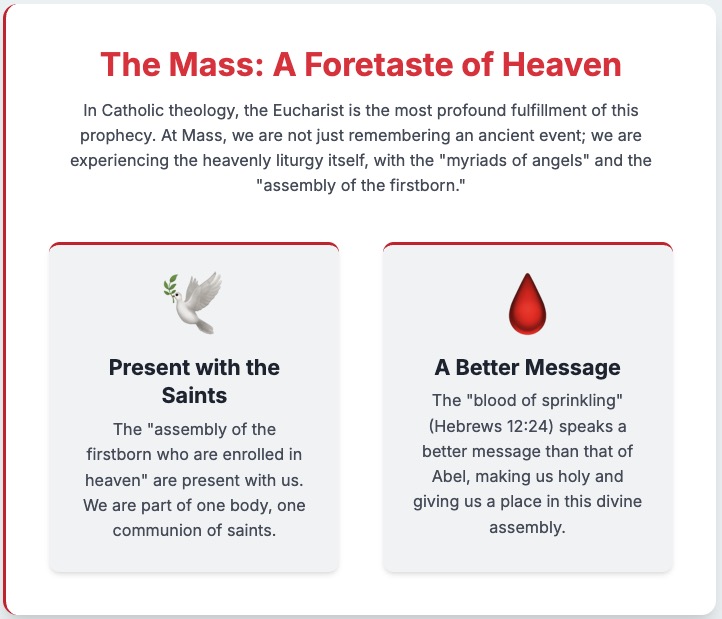
Within Catholic theology, this passage is a cornerstone for understanding the transformation from the Old Covenant to the New. The terrifying fire of Mount Sinai is supplanted by the saving fire of the Holy Spirit, which gives us the confidence to approach God as Father. Our participation in the Eucharist is the most profound fulfillment of this prophecy. At Mass, we are truly present with the “myriads of angels in festal gathering” and the “assembly of the firstborn who are enrolled in heaven” (Hebrews 12:22-23). We are not merely remembering an ancient event; we are experiencing the heavenly liturgy itself, a foretaste of the eternal banquet. Through the “blood of sprinkling” (Hebrews 12:24), which speaks a better message than that of Abel, we are made holy and given a place in this divine assembly.
For contemporary Catholics, this passage offers a powerful antidote to a faith that may feel distant or intimidating. It reminds us that our faith is not grounded in a fear of God, but in a joyous and confident communion with Him. The image of the heavenly Jerusalem should inspire us to approach the sacraments, especially the Mass, not as a duty but as a privilege. This passage encourages us to see our own suffering and trials through a different lens, recognizing that through the blood of Christ, we are already part of a heavenly reality. It challenges us to live with the confidence and joy of those who are not afraid of God, but who have found their home in His loving presence.
Reflection Questions
On Sinai vs. Zion:
- The essay describes the Old Covenant experience at Mount Sinai as one of “blazing fire and gloom.” How does this image help you appreciate the gift of the New Covenant in Christ?
- The author of Hebrews says, “You have come to Mount Zion.” How does this promise change the way you approach the Mass and the sacraments?
On the Mass:
- The essay states that the Mass is a fulfillment of this prophecy, where we are present with “myriads of angels.” How does this understanding of the Mass as a heavenly liturgy change your participation in it?
- How can we, in our own lives, better live out this joyous and confident communion with God, not just at Mass, but every day?

On Modern Application:
- The essay suggests that this passage is an antidote to a faith that may feel distant or intimidating. How have you personally experienced a shift from a faith based on fear to one based on confidence in God’s love?
- How does the knowledge that we are already part of a “heavenly reality” help you navigate your own suffering and trials?
THE WORD THIS WEEK’S Catholic Infographics were created using AI generative tools (i.e. Chart.js and Tailwind CSS. Content may be copied for personal use or for use in any non-profit ministry.

22nd Sunday of Year C
Luke 14:1, 7-14
Luke 14:1, 7-14
POP-UP Video | NAB w/ Notes | LECTIONARY
Click graphic above to view intro to reading
The reading from Luke 14 is a cautionary tale about the pitfalls of pride and the importance of humility. Jesus observes guests jockeying for the places of honor at a dinner party and responds with a teaching that turns worldly social norms on their head.

Fr. Paul highlights two key points from the reading:
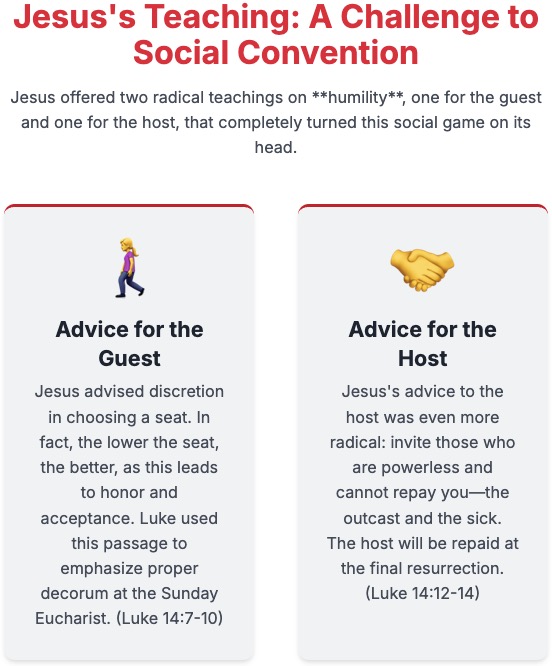
- The Peril of Pride: Jesus’s first lesson is for the guests. He advises them to take the lowest place at the table, warning that those who exalt themselves will be humbled. This is a lesson in humility, which is not about groveling but about recognizing the truth of our being.
- The Challenge of Selfless Hospitality: Jesus’s second lesson is for the host. He tells him to invite those who cannot repay him—the poor, the lame, the crippled, and the blind. This challenges the transactional nature of worldly hospitality, where we invite people to social gatherings with the expectation of being repaid.
Ultimately, Fr. Paul frames this passage as a reflection of the “parable of the prodigal son.” We are the prodigal sons, invited to a feast we do not deserve, and our response should be one of profound humility and gratitude.
Clipart by Fr. Richard Lonsdale
Banquet Advice
by Larry Broding
In an era of political dinners and social climbing, what did Jesus have to say about who gets a seat at the table? This commentary on Luke’s Gospel reveals the surprising wisdom of Jesus’s teachings on humility and hospitality.
The reflection draws a sharp contrast between the social game-playing of Jesus’s day and the radical hospitality of the Kingdom of God. It argues that humility is not a means of social climbing, but a way to live that empowers others.
“Humility, especially exercised by the leadership, gave the lowest of the community seats of honor; it made service to the lowly a top priority. Leadership exercised with humility did not gather power, but empowered.”
This commentary challenges us to consider: how can we, in our own lives, embrace a humility that doesn’t just seek a lower seat, but works to give the lowest a seat of honor?
The Catholic Banquet: Humility and Divine Hospitality
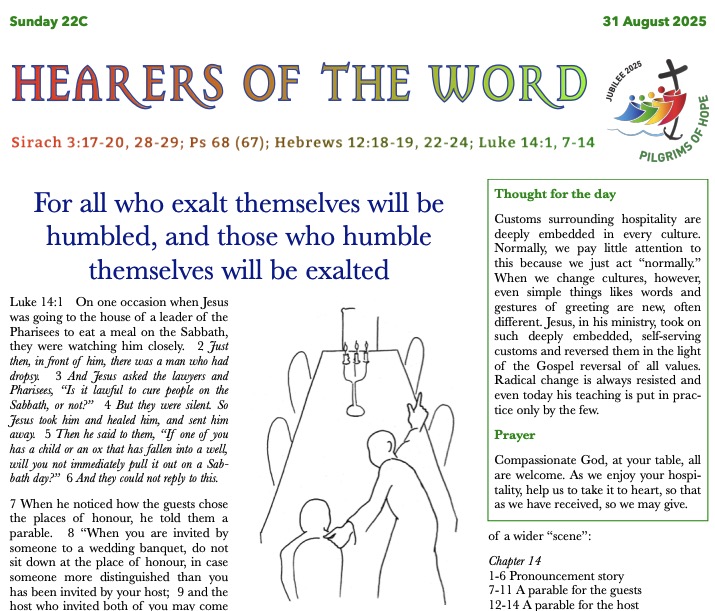
The Gospel of Luke presents Jesus at a Sabbath dinner in a Pharisee’s house, an occasion that was as much about social politics as it was about fellowship. Observing how guests “were choosing the places of honor at the table,” Jesus offers two teachings that turn worldly social norms on their head (Luke 14:7). The first is a lesson for the guests, advising them to take the lowest place. The second, and more radical, is for the host: invite those who cannot repay you, “the poor, the crippled, the lame, the blind” (Luke 14:13). This passage is not merely a lesson in table manners; it is a profound catechesis on humility and the radical nature of divine hospitality.
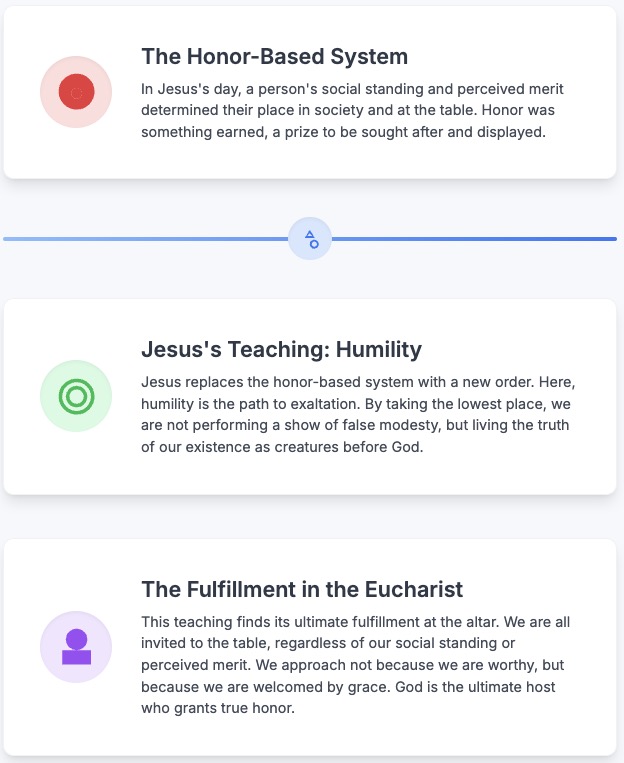
In Catholic theology, Jesus’s teaching is a foundational principle of the Kingdom of God. The honor-based system of Jesus’s day, where social standing determined one’s place, is replaced by a new order where humility is the path to exaltation. When we take the lowest place, we are not performing a show of false modesty; we are living the truth of our being as creatures before God. It is God, the ultimate host, who grants true honor and a place at His table. This teaching finds its most profound fulfillment in the Eucharist. At the altar, we are all invited, regardless of our social standing, wealth, or perceived merit. We approach the table not because we are worthy, but because we are invited by grace.
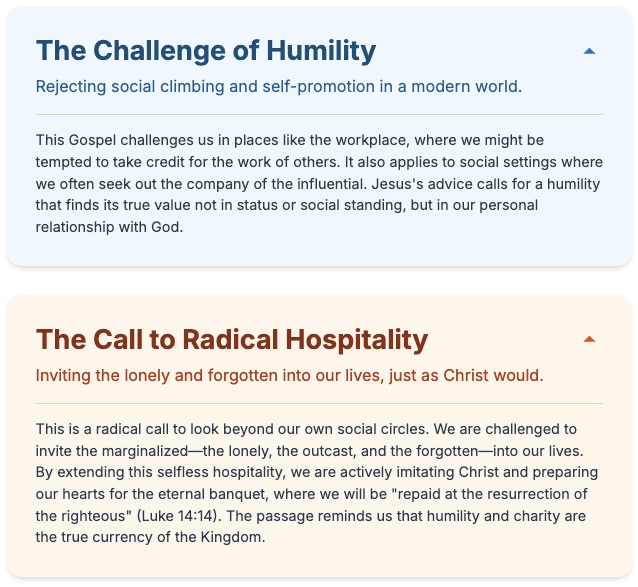
For contemporary Catholics, this Gospel challenges the pervasive culture of social climbing and self-promotion. A modern-day application might be a workplace where we are tempted to take credit for others’ work, or in social settings where we seek the company of the influential. Jesus’s advice to the guest calls us to a humility that finds its place not in status, but in our relationship with God. His advice to the host is a radical call to hospitality. It challenges us to look beyond our own social circles and to invite the marginalized into our lives—the lonely, the outcast, the forgotten. By extending this type of selfless hospitality, we are imitating Christ and preparing our hearts for the eternal banquet, where we will be “repaid at the resurrection of the righteous” (Luke 14:14). The passage reminds us that humility and charity are the true currency of the Kingdom.
Reflection Questions
On Humility and Status:
- The essay compares the social game-playing of Jesus’s day to our own culture of social climbing and self-promotion. Where do you see this happening in your own life, and what is the antidote?
- How does the image of taking the “lowest place” in the presence of others lead to true honor and confidence?
On the Eucharist:
- We approach the altar not because we are worthy, but because we are invited by grace. How does this understanding of the Eucharist challenge any feelings of pride or entitlement you may have?
- How can a renewed appreciation for the divine invitation of the Eucharist inspire you to extend that same invitation to others in your life?
On Radical Hospitality:
- Jesus’s advice to invite those who cannot repay us is radical. What are some practical ways you can extend this type of selfless hospitality in your own community?
- Humility and charity are the “true currency of the Kingdom.” How can you prioritize these virtues over worldly values in your daily life?
THE WORD THIS WEEK’S Catholic Infographics were created using AI generative tools (i.e. Chart.js and Tailwind CSS. Content may be copied for personal use or for use in any non-profit ministry.

Fr. Conley Bertrand
22nd Sunday of Year C
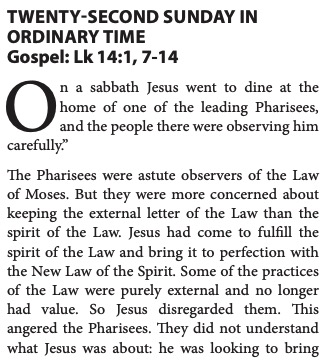
Cycle C (PDFs)
📖 Old Testament (43 pp.)
📖 Epistles (87 pp.)
📖 Gospels (182 pp.)
📖 Daily Gospels (208 pp.)
SOURCE: Come, Lord Jesus
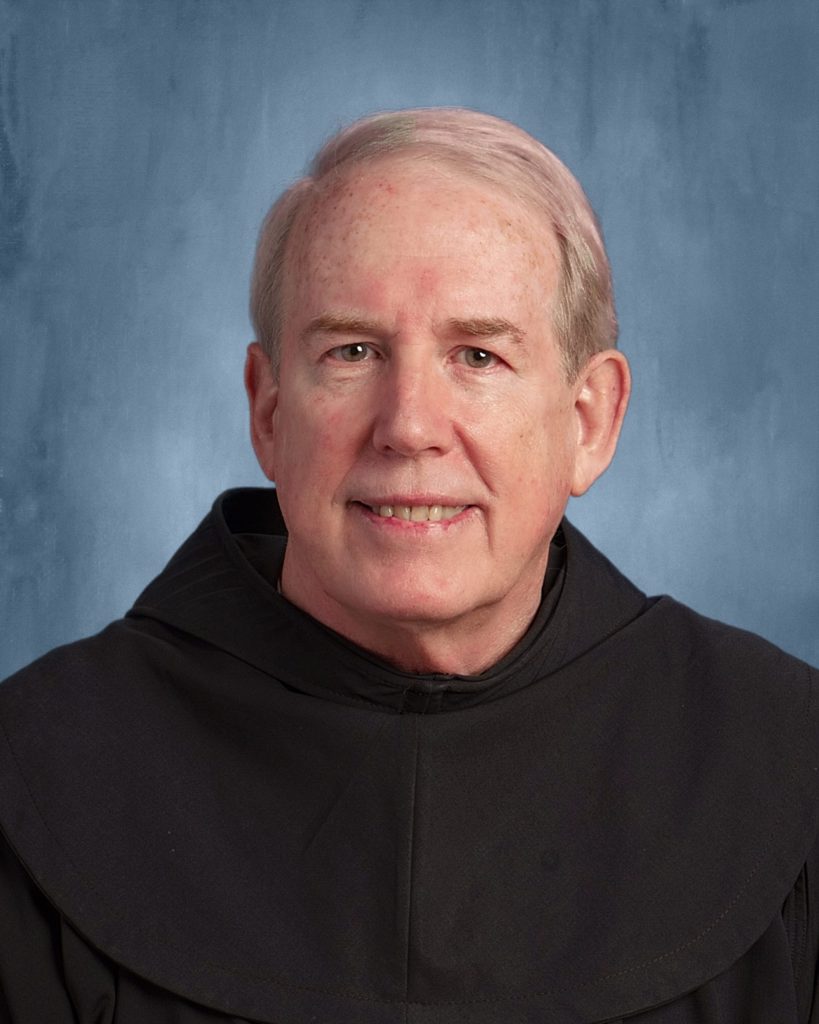
Fr. George Corrigan, OFM
22nd Sunday of Year C
Fr. Thibodeau
Bible Study Notes
Small Group Discussion Guides


Bp. John P. Dolan
Fr. Tobin
Carmelite Reflections and Prayers
Lectio Divina

78-page PDF with reflections and prayers for each day of the month
Lectio Divina SEPTEMBER 2025 (PDF)
Lectio Divina SEPTEMBER 2025 [Mobi]
Lectio Divina SEPTEMBER 2025 [ePub]
______________
“Lectio divina is an authentic source of Christian spirituality recommended by our Rule. We therefore practise it every day, so that we may develop a deep and genuine love for it, and so that we may grow in the surpassing knowledge of Christ. In this way we shall put into practice the Apostle Paul’s commandment, which is mentioned in our Rule: “The sword of the Spirit, too, which is the word of God, is to dwell abundantly in your mouth and in your hearts; and whatever things you have to do, let them be done in the word of the Lord.” (Carmelite Constitutions (2019), n. 85.)
Source: Carmelites
CATHOLIC BIBLE STUDY VIDEO SERIES
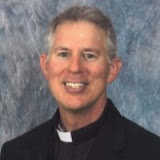
Fr. Tim Peters
FIRST/SECOND READINGS

GOSPEL READING

Fr. Peters teaches at Saint John’s Seminary in Camarillo, CA.
FIRST READING | SECOND READING | GOSPEL