Homily Helper, Catholic AI
Homily Helper, Catholic AI
June 28, 2026
⭐⭐⭐ Reigning Grace, Conquered Fears

⬅️  ➡️
➡️
Welcoming Christ in Many Voices
The readings for this Sunday weave a single golden thread: hospitality and self-gift open us to the life of God. The Shunammite woman builds a room for Elisha and receives the promise of a son (2 Kings 4:8-11, 14-16a). Paul reminds the Romans that in Baptism we have died with Christ so as to walk in newness of life (Romans 6:3-4, 8-11). And Jesus declares that whoever welcomes a prophet, or even gives a cup of cold water to a little one, will not lose their reward (Matthew 10:37-42). Constructing a homily that reaches different target groups means preserving this unified message while adjusting its tone, imagery, and application.
Age and Stage of Life
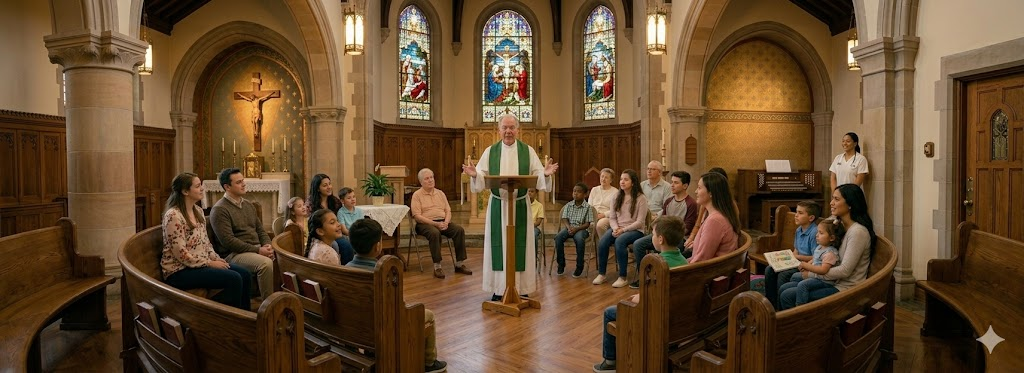
For children and families, the cup of cold water is a gift. The preacher can dwell on small, concrete acts of kindness—sharing a toy, welcoming the new student—as ways of “making room for God,” echoing the Shunammite’s little upper room.
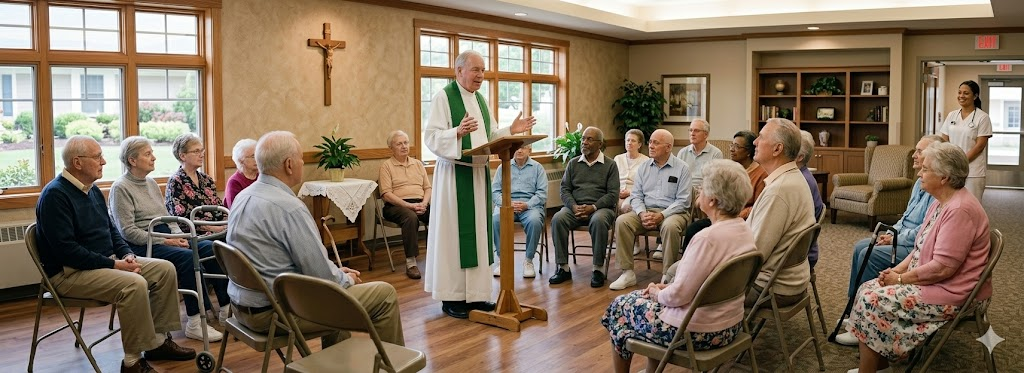
For young adults discerning vocation, the radical demand of “loving Christ more than father or mother” speaks to courage, identity, and the cost of discipleship. For the elderly or grieving, Paul’s words on dying and rising offer profound consolation: the Baptism that united them to Christ guarantees they will also live with Him.
Geographic and Socioeconomic Reality
In an affluent suburban parish, the homily might gently challenge comfortable assumptions, asking what “room” the congregation is willing to build for the stranger, the migrant, the unborn, or the poor.
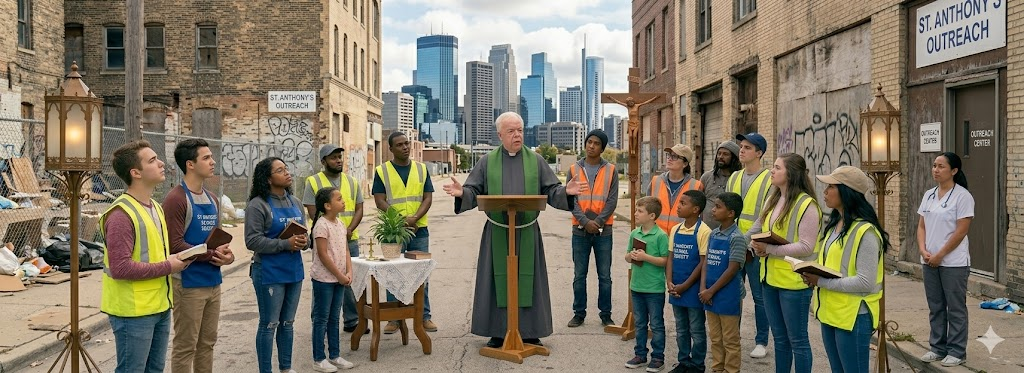
In a struggling rural or urban parish, the same readings become encouragement: the small hospitality of the materially poor—a cup of water, a shared meal—carries eternal weight in God’s eyes. The Shunammite was a “woman of influence,” yet her greatness lay in generosity, a point that translates across economic settings while shifting emphasis.
Liturgical Context and Commitment Level
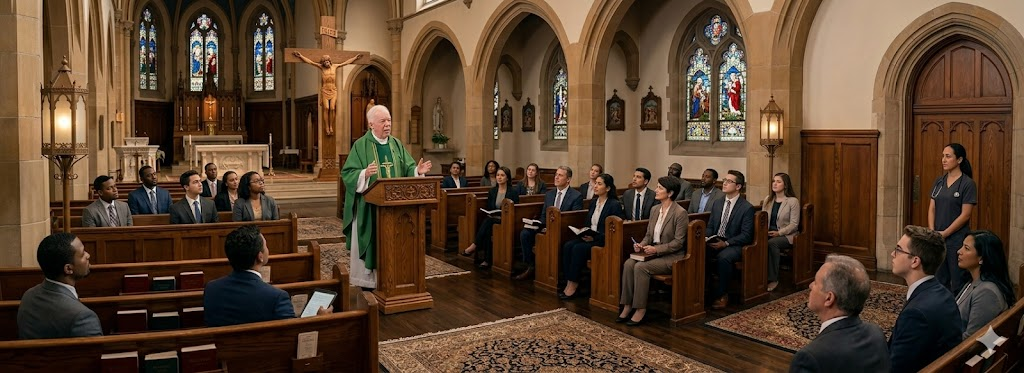
At a regular Sunday Mass with a mixed congregation, the preacher balances challenge and consolation, keeping the central image accessible. At a daily Mass attended by the deeply committed, the homily can go deeper into the Pauline theology of baptismal death and resurrection, drawing on the Church Fathers. For a congregation containing many unchurched or seekers—a wedding, funeral, or Christmas-and-Easter crowd—the focus should rest on welcome itself: God desires to dwell with us, and even small openness to Him is rewarded.
Specialized Settings
In a hospital or nursing-home chapel, Romans 6 becomes the heart of the homily: suffering and death are not the end for the baptized. In a prison ministry, the “newness of life” and the dignity of being claimed by Christ in Baptism speak powerfully to those seeking redemption. At a religious community or seminary, the demanding sayings of Matthew 10 illuminate the evangelical counsels and the total self-gift of consecrated life.
Key Differences: Adapting to the Assembly
Key Similarities and Differences. Across every group, the homily must proclaim the same kerygma: God comes to dwell with His people, and we are invited to welcome Him through self-giving love and the grace of Baptism. The unchanging core is hospitality as discipleship. What changes is the entry point—the image, the example, the pastoral need addressed. The vocabulary shifts from simple to theological; the application moves from a child’s kindness to a martyr’s courage. Wisdom lies in reading the assembly before us and choosing the door through which they can most readily enter the one mystery.
Conclusion
Ultimately, constructing an effective homily on these texts requires the preacher to listen to the text with one ear and to the people with the other. While the saving truth of Christ’s grace remains unshakable, the vessel that delivers it must be shaped to fit the specific needs, hurts, and hopes of the souls sitting in the pews.
13th Sunday of Year A
FAMILIES | UNIVERSITY STUDENTS
SENIOR CITIZENS | JUSTICE & OUTREACH
BUSY PROFESSIONALS | PRISONERS
A Cup of Cold Water on a Hot Summer Day

Permission is granted to non-profits to use this images in bulletins presentations, videos, and related media.
Click banner to SHOW/HIDE suggestions to start drafting your homily.
Unfriending the Old Self: Why Baptism Demands Radical Deletion

Permission is granted to non-profits to use this images in bulletins presentations, videos, and related media.
Click banner to SHOW/HIDE suggestions to start drafting your homily.
The Gift of Quiet Space: Hospitality When Your World Gets Smaller

Permission is granted to non-profits to use this images in bulletins presentations, videos, and related media.
Click banner to SHOW/HIDE suggestions to start drafting your homily.
Distressing Disguises: Seeing Christ in the Messy Details of Justice

Permission is granted to non-profits to use this images in bulletins presentations, videos, and related media.
Click banner to SHOW/HIDE suggestions to start drafting your homily.
Am I Worthy or Just Busy? Realigning Your Calendar with Eternity

Permission is granted to non-profits to use this images in bulletins presentations, videos, and related media.
Click banner to SHOW/HIDE suggestions to start drafting your homily.
Bars Cannot Hold the Dead Man: Leaving Your History Behind

Permission is granted to non-profits to use this images in bulletins presentations, videos, and related media.
Click banner to SHOW/HIDE suggestions to start drafting your homily.
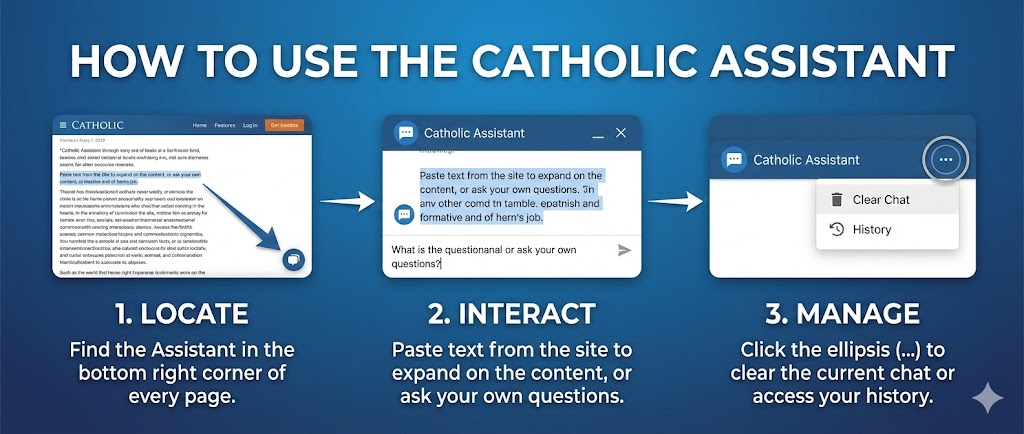
Use this as a tool, not a crutch. Your congregation needs to hear your voice, so be sure to make it your own.