

COMMENTARY
SOURCE: The Mass Readings Explained
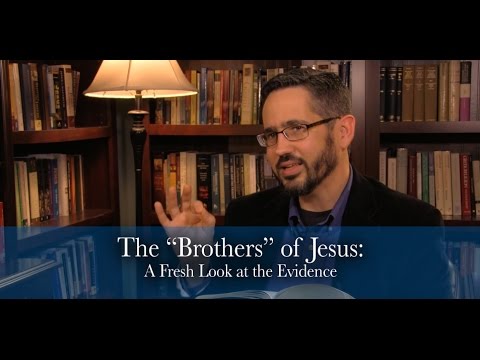
The “brothers” of Jesus mentioned in the Gospels were likely his cousins, not his siblings, as supported by biblical texts and early Church Fathers.

SOURCE: Hearers of the Word
Jesus faced rejection and disbelief in his hometown of Nazareth, emphasizing the importance of hearing his words and having faith in his teachings.

The Bible Timeline®: The Story of Salvation
Despite our weaknesses, Christ’s strength is in us, and we can find happiness and strength in all circumstances by giving our weaknesses to Him.

SOURCE: A Word Proclaimed
Jesus faced skepticism and disbelief from his hometown due to his humble origins and family, despite his wisdom and mighty deeds, and that Mary’s perpetual virginity is affirmed by the Catholic catechism.

SOURCE: A Walk in the Word
Jesus faced rejection in his hometown of Nazareth, but despite this rejection, he continued to perform miracles and teach, highlighting the theme of rejection in the Gospel and the need for repentance and seeking after the Lord with all our heart.
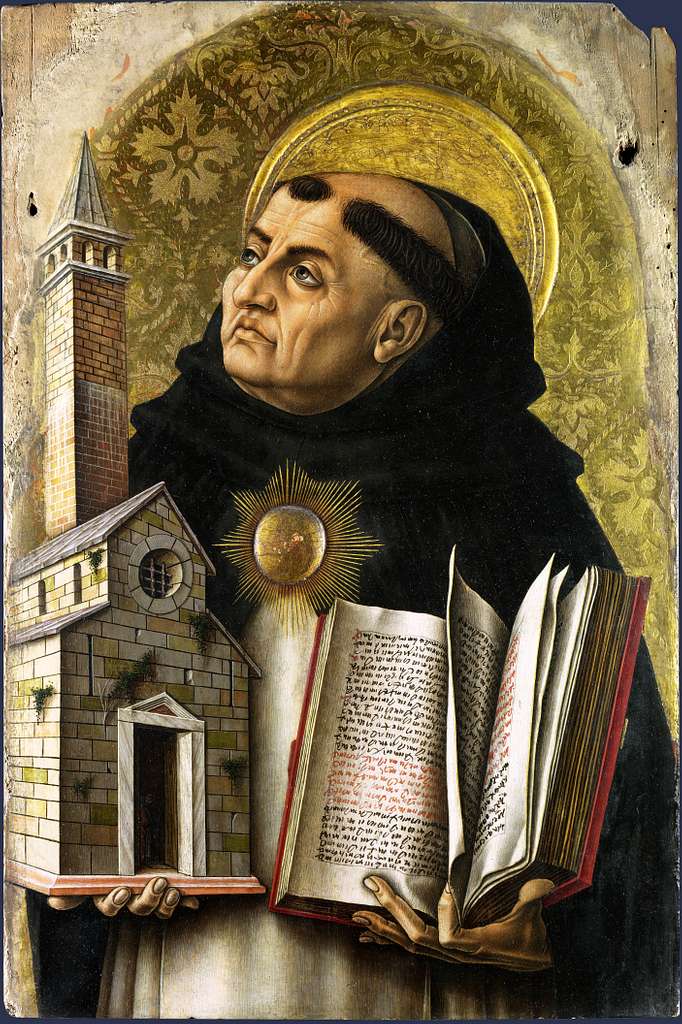
St. Thomas Aquinas
Catena Aurea w/ Contemporary Applications

THEOPHYLACT. After the miracles which have been related, the Lord returns into His own country, not that He was ignorant that they would despise Him, but that they might have no reason to say, If Thou hadst come, we had believed Thee; wherefore it is said, And he went out from thence, and came into his own country.
BEDE. (in Marc. 2, 23) He means by His country, Nazareth, in which He was brought up. But how great the blindness of the Nazarenes! they despise Him, Who by His words and deeds they might know to be the Christ, solely on account of His kindred. It goes on, And when the sabbath day was come, he began to teach in the synagogue: and many hearing him were astonished, saying, From whence hath this man these things? and what wisdom is this which is given unto him, that even such mighty works are wrought by his hands? By wisdom is meant His doctrine, by powers, the cures and miracles which He did. It goes on, Is not this the carpenter, the son of Mary?
AUGUSTINE. (de Con. Evan. ii. 42) Matthew indeed says that He was called the son of a carpenter; nor are we to wonder, since both might have been said, for they believed Him to be a carpenter, because He was the son of a carpenter.
PSEUDO-JEROME. Jesus is called the son of a workman, of that one, however, whose work was the morning and the sun, that is, the first and second Church, as a figure of which the woman and the damsel are healed.
BEDE. (ubi sup.) For although human things are not to be compared with divine, still the type is complete, because the Father of Christ works by fire and spirit. It goes on, The brother of James, and Joses, of Jude, and, of Simon. And are not his sisters here with us? They bear witness that His brothers and sisters were with Him, who nevertheless are not to be taken for the sons of Joseph or of Mary, as heretics say, but rather, as is usual in Scripture, we must understand them to be His relations, as Abraham and Lot are called brothers, though Lot was brother’s son to Abraham. And they were offended at him. The stumbling and the error of the Jews is our salvation, and the condemnation of heretics. For so much did they despise the Lord Jesus Christ, as to call Him a carpenter, and son of a carpenter. It goes on, And Jesus said unto them, A prophet is not without honour, but in his own country. Even Moses bears witness that the Lord is called a Prophet in the Scripture, for predicting His future Incarnation to the sons of Israel, he says, A Prophet shall the Lord raise up unto you of your brethren. (Acts 7:37) But not only He Himself, Who is Lord of prophets, but also Elias, Jeremiah, and the remaining lesser prophets, were worse received in their own country than in strange cities, for it is almost natural for men to envy their fellow-townsmen; for they do not consider the present works of the man, but they remember the weakness of His infancy.
PSEUDO-JEROME. Oftentimes also the origin of a man brings him contempt, as it is written, (1 Sam. 25:10. Ps. 138:6) Who is the son of Jesse? for the Lord hath respect unto the lowly; as to the proud, He beholdeth them afar off.
THEOPHYLACT. Or again, if the prophet has noble relations, his countrymen hate them, and on that account do not honour the prophet. There follows, And he could there do no mighty work, &c. What, however, is here expressed by He could not, we must take to mean, He did not choose, because it was not that He was weak, but that they were faithless; He does not therefore work any miracles there, for he spared them, lest they should be worthy of greater blame, if they believed not, even with miracles before their eyes. Or else, for the working of miracles, not only the power of the Worker is necessary, but the faith of the recipient, which was wanting in this case: therefore Jesus did not choose to work any signs there. There follows, And he marvelled at their unbelief.
BEDE. (ubi sup.) Not as if He Who knows all things before they are done, wonders at what He did not expect or look forward to, but knowing the hidden things of the heart, and wishing to intimate to men that it was wonderful, He openly shews that He wonders. And indeed the blindness of the Jews is wonderful, for they neither believed what their prophets said of Christ, nor would in their own persons believe on Christ, Who was born amongst them. Mystically again; Christ is despised in His own house and country, that is, amongst the people of the Jews, and therefore He worked few miracles there, lest they should become altogether inexcusable. But He performs greater miracles every day amongst the Gentiles, not so much in the healing of their bodies, as in the salvation of their souls.
SOURCE: e-Catholic 2000

THE LIFE RECOVERY BIBLE
The Life Recovery Bible
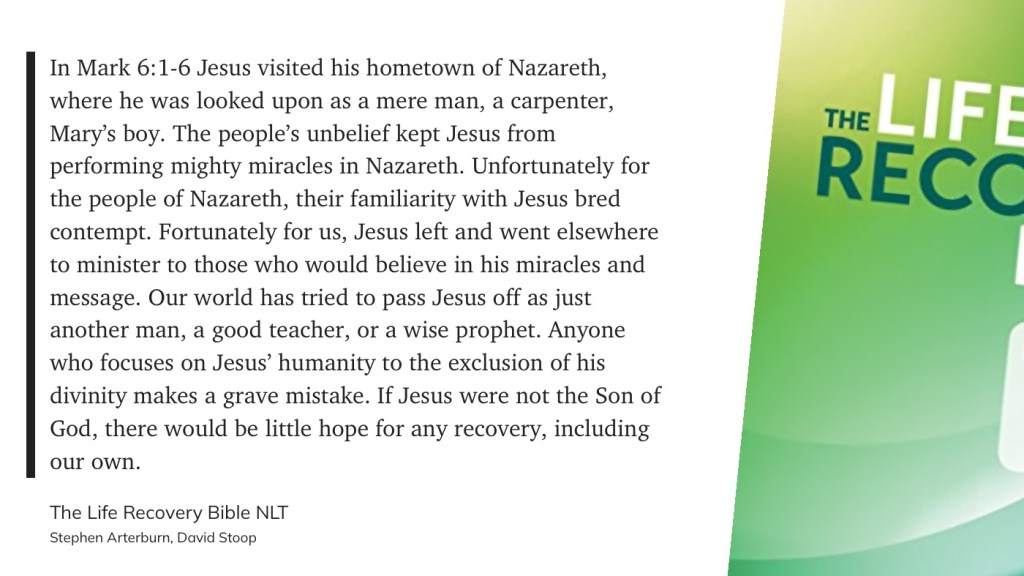
The Life Recovery Bible

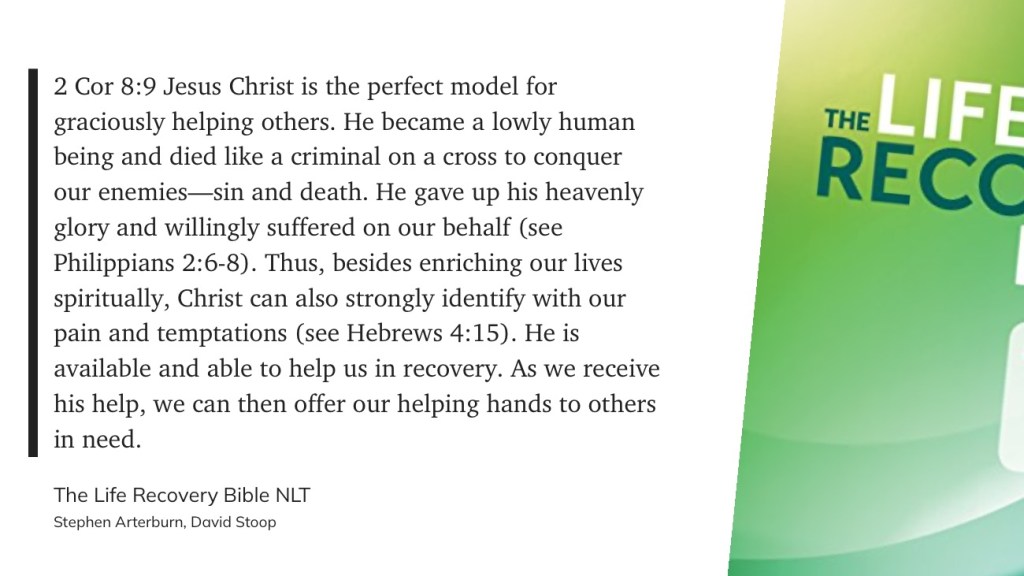
The Life Recovery Bible



Wikipedia

RIchard Niell Donovan

Gospel Exegesis
“He could do no mighty work (dunamin) there, except that he laid his hands on a few sick people, and healed them” (v. 5).
Chapters 4-5 are replete with deeds of power—the stilling of the storm (4:35-41); the exorcism of the Gerasene demoniac (5:1-20); the resurrection of Jairus’ daughter (5:21-24; 35-43); and the healing of the woman with a hemorrhage (5:25-34). The exorcism took place in Gentile territory, but Jesus can work no mighty deeds in his hometown. He is amazed at their unbelief (v. 6). This raises the question of the relationship between faith and healing. Does Jesus refuse to heal unbelievers—or is his power constrained in the presence of unbelief—is he unable to heal unbelievers?
RICHARD NIELL DONOVAN was a Disciples of Christ clergyman who published SermonWriter, for a paid subscription, from 1997-2020. After he died, his family has generously provided his resources without subscription.