Commentary Intro to Mass Readings for Sunday
CommentaryIntro to Mass Readings for Sunday
February 8, 2026
February 8, 2026
5th Sunday of Year A


Intro to Sunday’s Readings
Catholic Lectionary Website
Scott Hahn
Catholic Bible Dictionary

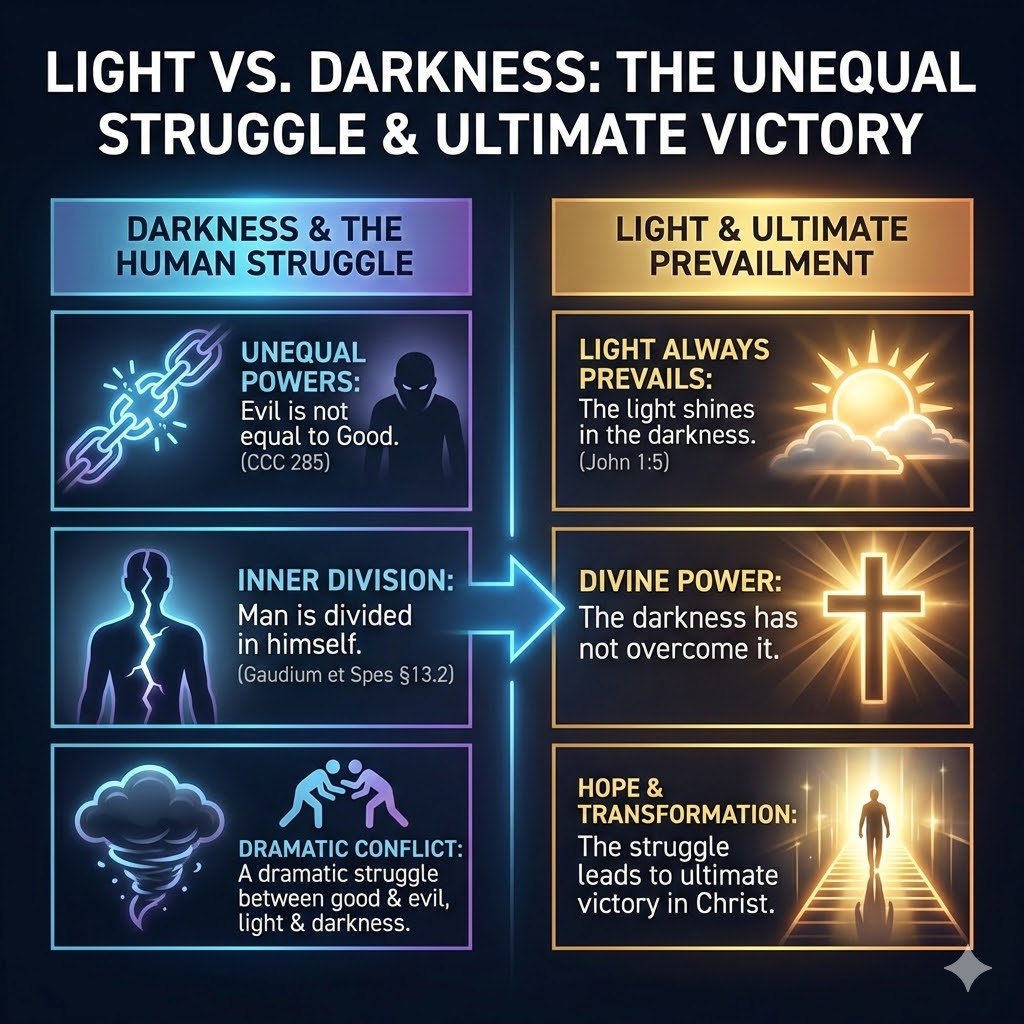
THE WORD THIS WEEK infographics are created using using GOOGLE’S AI Gemini 3 Pro. You are free to use the them in any non-profit ministry. Please give credit to sources of information contained in them.
Click on banner to learn more.
John Bergsma
The Word of the Lord: Reflections on the Sunday Mass Readings for Year A

THE WORD THIS WEEK infographics are created using using GOOGLE’S AI Gemini 3 Pro. You are free to use the them in any non-profit ministry. Please give credit to sources of information contained in them.
Click on banner to learn more.
Pope Francis
The Gospel of Matthew: A Spiritual and Pastoral Reading
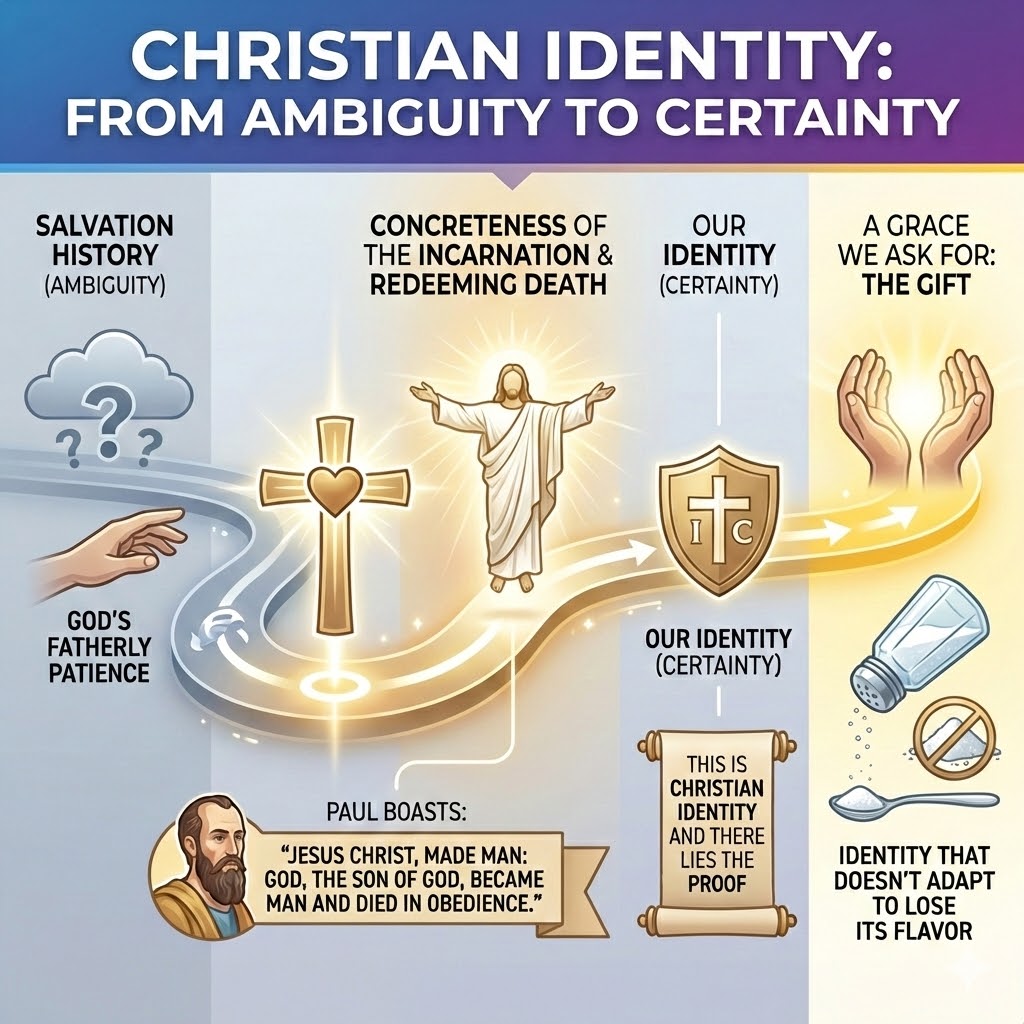
THE WORD THIS WEEK infographics are created using using GOOGLE’S AI Gemini 3 Pro. You are free to use the them in any non-profit ministry. Please give credit to sources of information contained in them.
Click on banner to learn more.
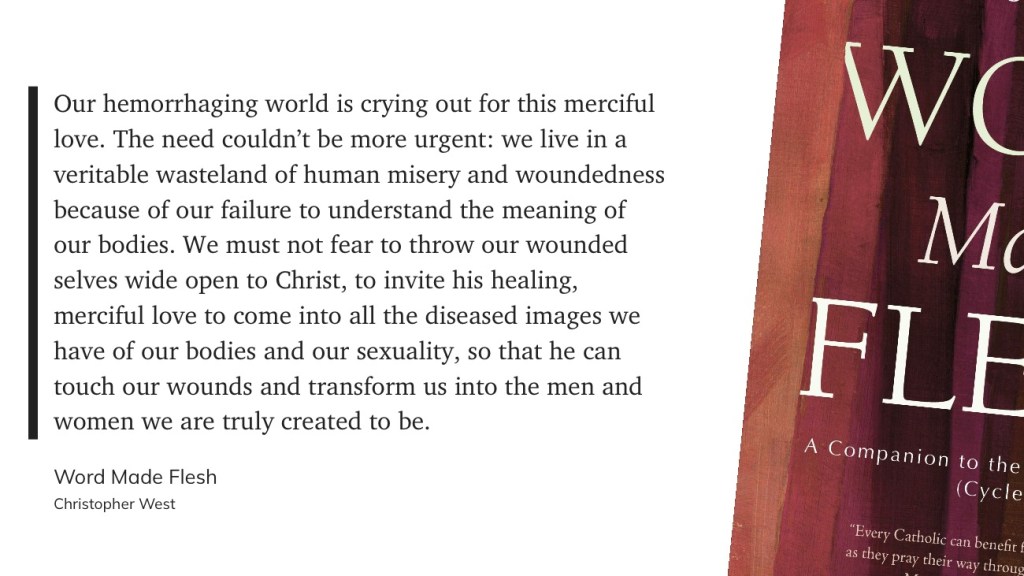
Christopher West
Word Made Flesh: A Companion to the Sunday Readings (Cycle A)
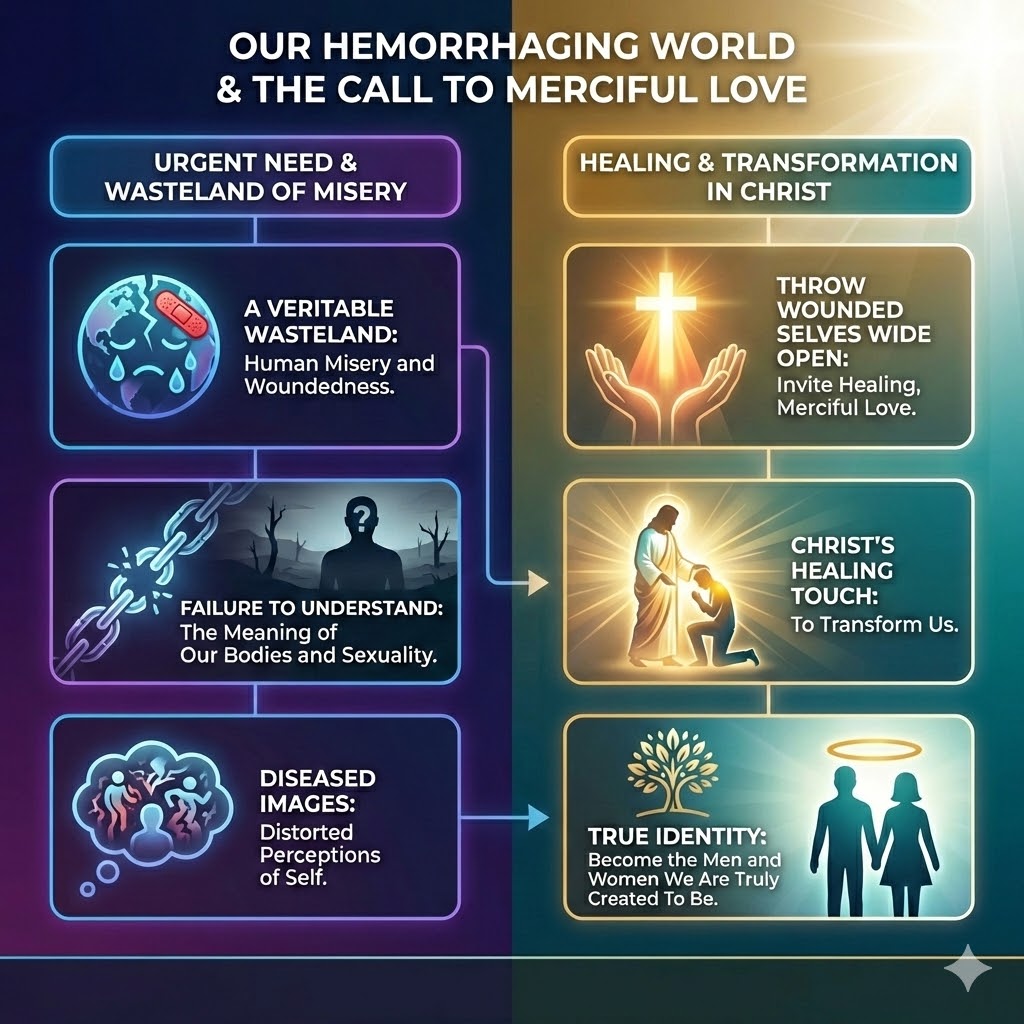
THE WORD THIS WEEK infographics are created using using GOOGLE’S AI Gemini 3 Pro. You are free to use the them in any non-profit ministry. Please give credit to sources of information contained in them.
Click on banner to learn more.
Related Pages
Michal Hunt
Edrianne Ezell
Vince Contreras
Fr. Kieran O’Mahoney
Fr. Thibodeau


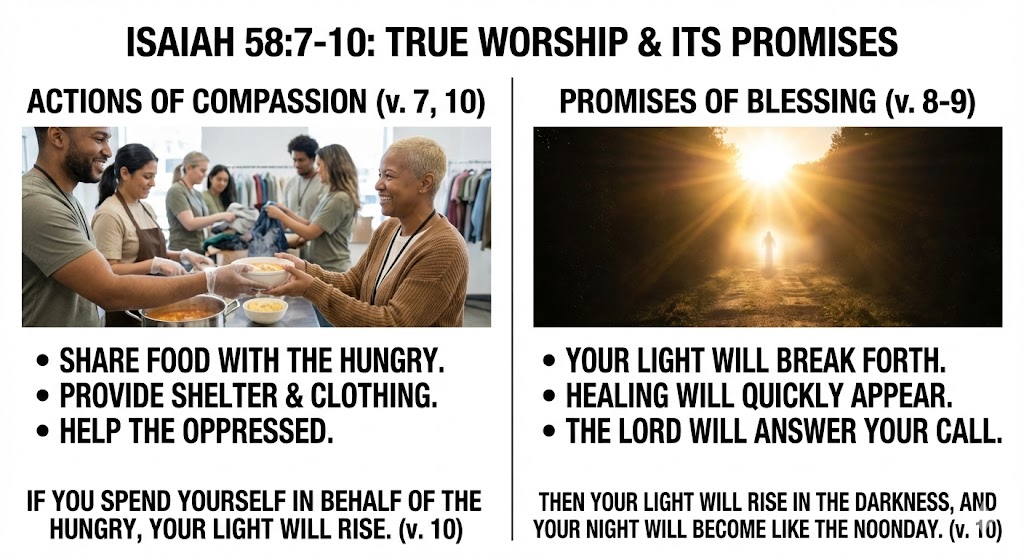
Isaiah 58:7-10
Let Your Light Shine!
What discourages you? How do you fight against discouragement?
Are you preaching to a community where the spiritual honeymoon is over? Larry Broding’s commentary explores the specific historical context of the “Third Isaiah” (chapters 56-66), written not during the high drama of the exile, but in the gritty, exhausting years of rebuilding Jerusalem. Broding masterfully unpacks how the prophet confronted a people paralyzed by malaise, helping preachers understand how to address congregations that have swapped active faith for self-pity and hollow ritual.
Why this commentary matters for your homily:
- Contextualizes Spiritual Burnout: It explains the shift from the euphoria of the return (Second Isaiah) to the hard labor of city renewal, offering a perfect parallel for modern believers stuck in the “daily grind” of faith.
- Redefines True Worship: Broding highlights the prophet’s sharp critique of “cultural fasting,” showing how the people were using piety to mask a “poor me” attitude and community infighting.
- Connects Action to Light: It illuminates the core message of Isaiah 58: that the cure for gloom isn’t more ritual, but charitable action. Broding shows how feeding the needy is the spark that turns darkness into “noon.”
- Provides a Clear Call to Action: The commentary helps you craft a message that challenges parishioners to stop the finger-pointing and start letting God shine through their care for the neighbor.
Read Larry Broding’s full commentary to help your congregation turn away from spiritual malaise and discover how a positive attitude and charitable action can make their light break forth like the dawn.

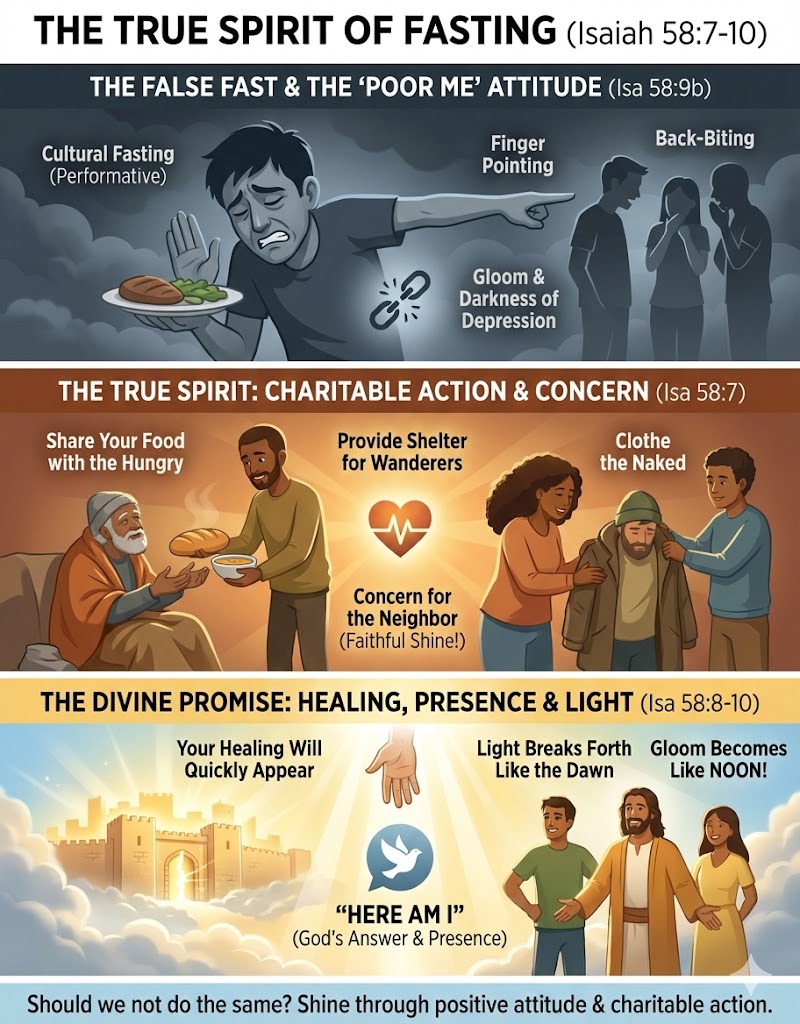
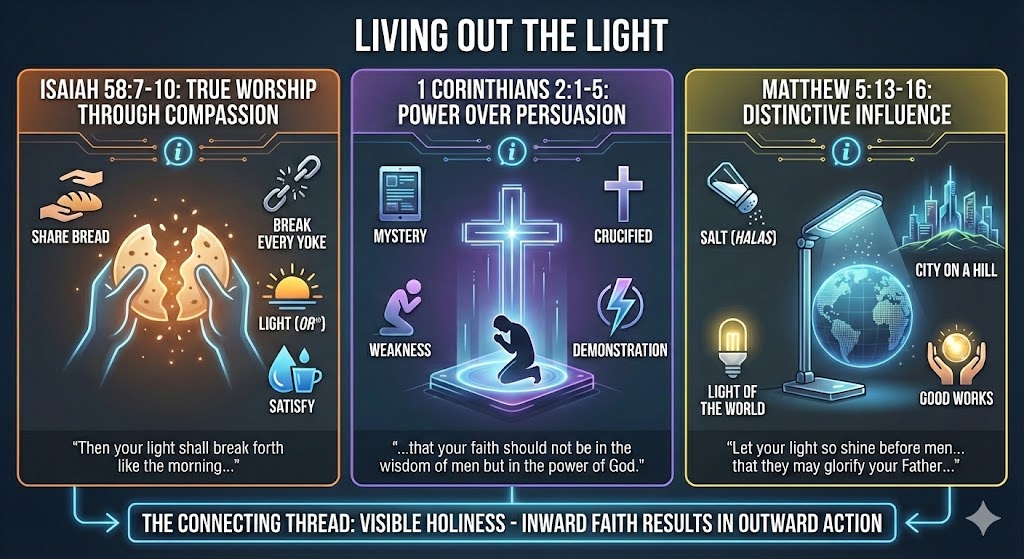
THE WORD THIS WEEK infographics on this page were created using using GOOGLE’S AI Gemini 3 Pro. You are free to use the them in any non-profit ministry. Proper attribution, however, must be given to Larry Broding at Word-Sunday.com.

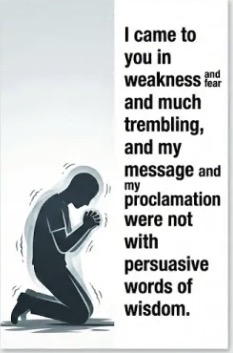
1 Corinthians 2:1-5
Ambition Vs. Calling
We all love a speaker who can entertain, instruct, and inspire all at once. But what happens when the goal of preaching shifts from human eloquence to divine power? Larry Broding’s commentary explores the paradox of St. Paul, a man who boasted not of his oratory skills or deep insights, but of his limitations. Broding unpacks how Paul deliberately set aside “wisdom” to ensure his ministry was rooted solely in the activity of God.

Why this commentary matters for your homily:
- Realigns Pulpit Expectations: It challenges the modern pressure to be an “entertaining” speaker, reminding preachers that Paul’s effectiveness came not from polished delivery, but from the demonstration of the Spirit and power.
- Clarifies the Core Message: Broding emphasizes Paul’s singular focus on “Jesus Christ and him crucified,” helping you strip away distractions and center your homily on the essential work of God.
- Diagnoses Spiritual Motives: It provides a sharp contrast between “faith as jewelry”—used for self-promotion and looking like a “good Christian”—and the sincere, heart-level sharing that actually promotes Jesus.
- Encourages Authentic Evangelism: The commentary offers a framework to help believers move from superficial “Jesus small talk” to sharing what their neighbors genuinely need to hear.
Read Larry Broding’s full commentary to help your congregation discern the difference between self-promoting piety and the sincere, Spirit-led proclamation of Jesus Christ.

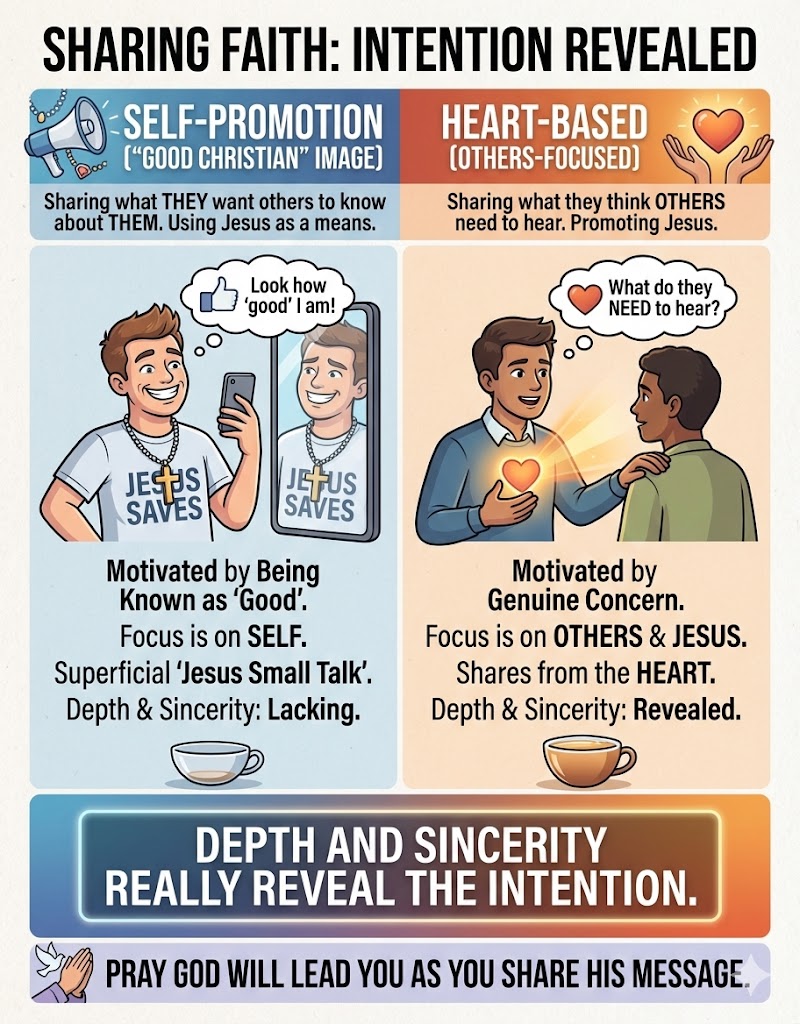
THE WORD THIS WEEK infographics on this page were created using using GOOGLE’S AI Gemini 3 Pro. You are free to use the them in any non-profit ministry. Proper attribution, however, must be given to Larry Broding at Word-Sunday.com.



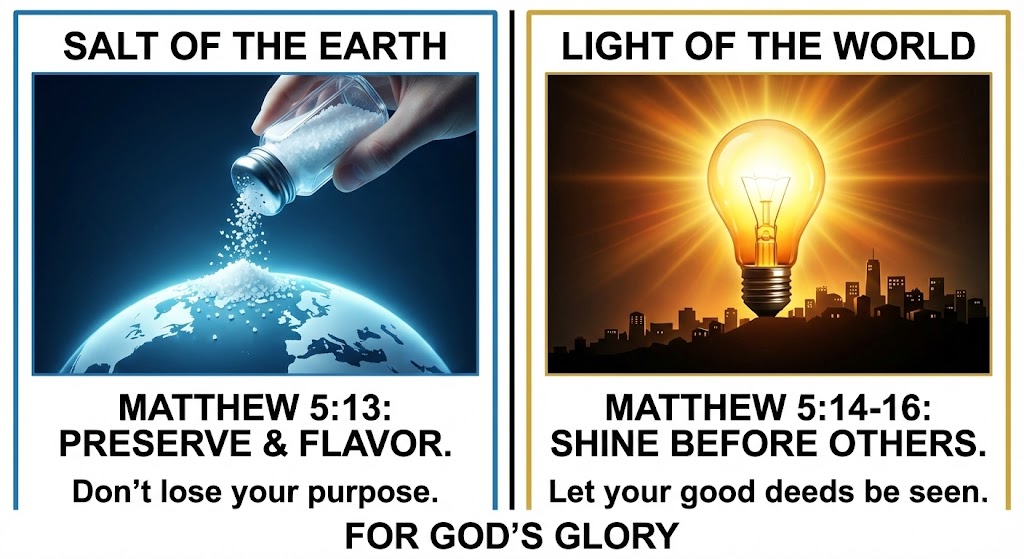
Matthew 5:13-16
Salt and Light
What are the differences between the leader and the follower? When does a follower lead?
True leadership demands more than talk; it requires a willingness to walk the hard path of sacrifice. Larry Broding’s commentary on Matthew 5:13-16 takes a fresh look at the familiar “Salt and Light” metaphors, grounding them in the gritty reality of first-century life. He moves beyond the idea of salt as mere seasoning to reveal a more potent image: salt as the catalyst that keeps the fire burning in an impure world.
Why this commentary matters for your homily:
- Unlocks a Fresh “Salt” Metaphor: Broding provides fascinating historical context, explaining how salt was likely used as a mixing agent to help animal manure fuel burn longer and hotter—a powerful image of how Christians keep the fire of faith alive in the midst of “cultural dung.”
- Confronts Passive Christianity: It emphasizes Jesus’ ultimatum that believers cannot have it both ways; faith without visible action is as useless as a lamp hidden under a basket or salt that has lost its chemical potency.
- Redefines Leadership: The commentary argues that a follower becomes a leader the moment they commit to the “hard way” of the Beatitudes, challenging your listeners to let their example speak louder than their words.
Read Larry Broding’s full commentary to help your congregation understand that faith isn’t a private matter, but a public fire that must be fueled by sacrificial action.
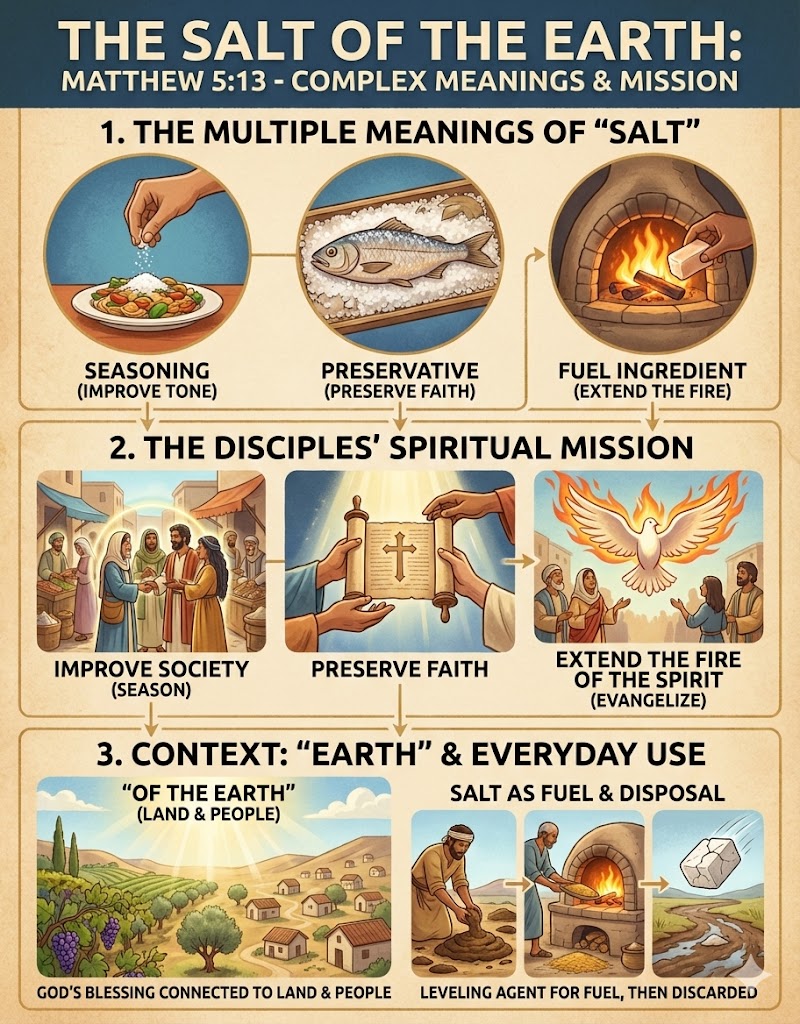
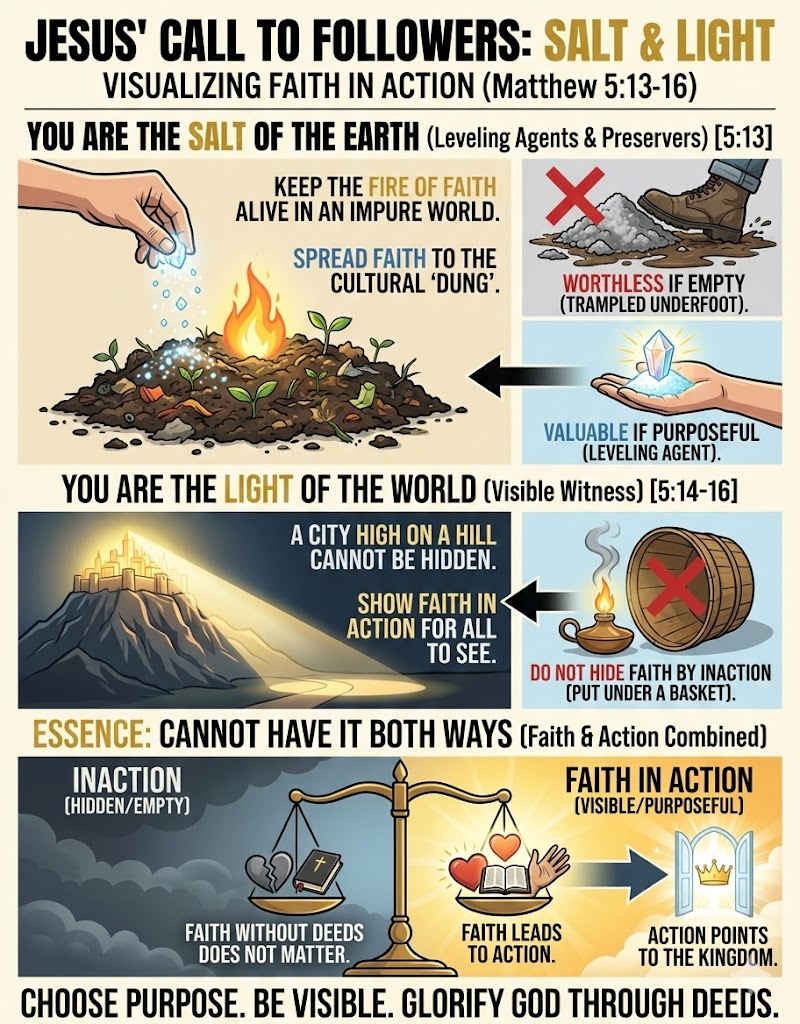
THE WORD THIS WEEK infographics on this page were created using using GOOGLE’S AI Gemini 3 Pro. You are free to use the them in any non-profit ministry. Proper attribution, however, must be given to Larry Broding at Word-Sunday.com.

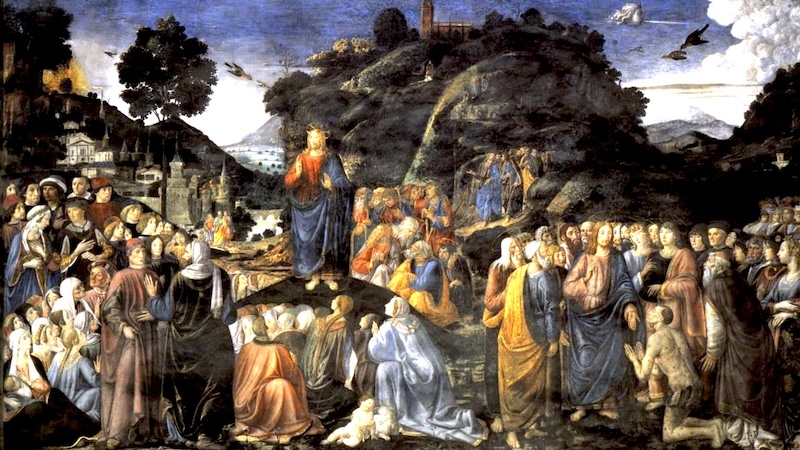
Christian Discipleship
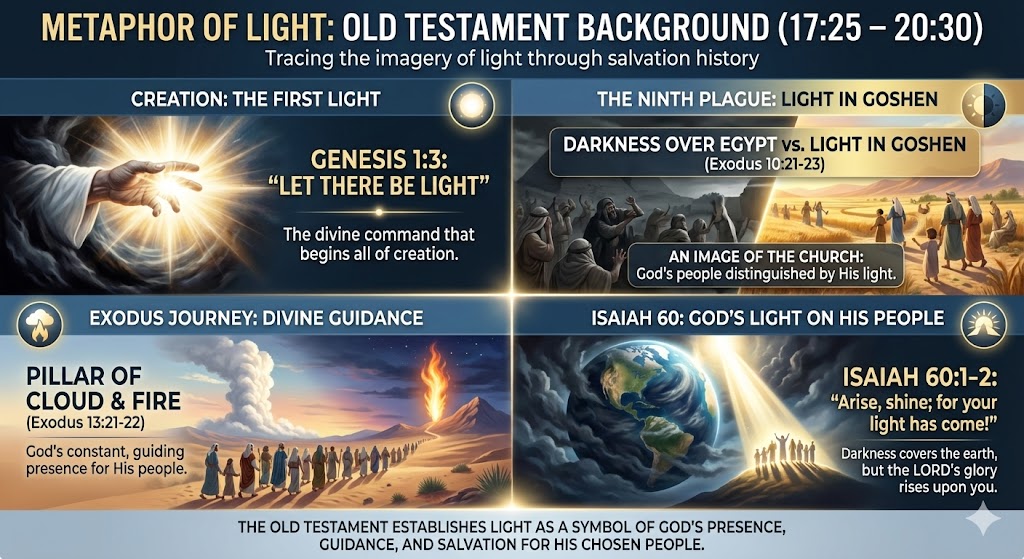
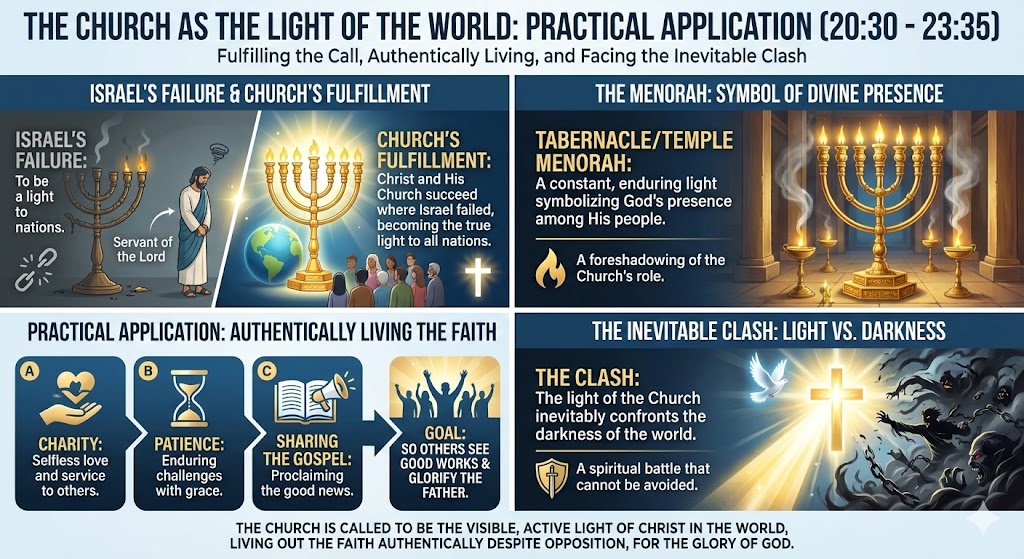
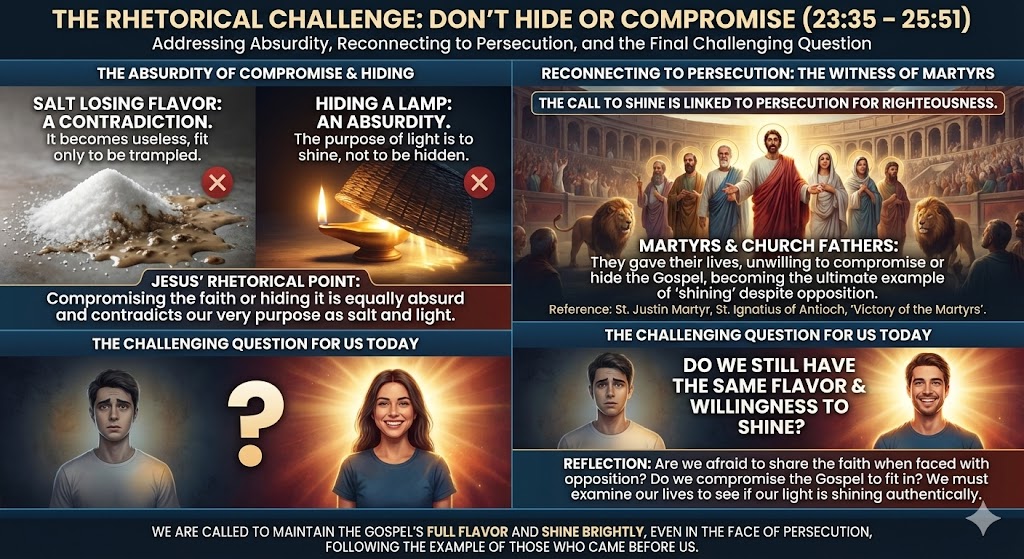
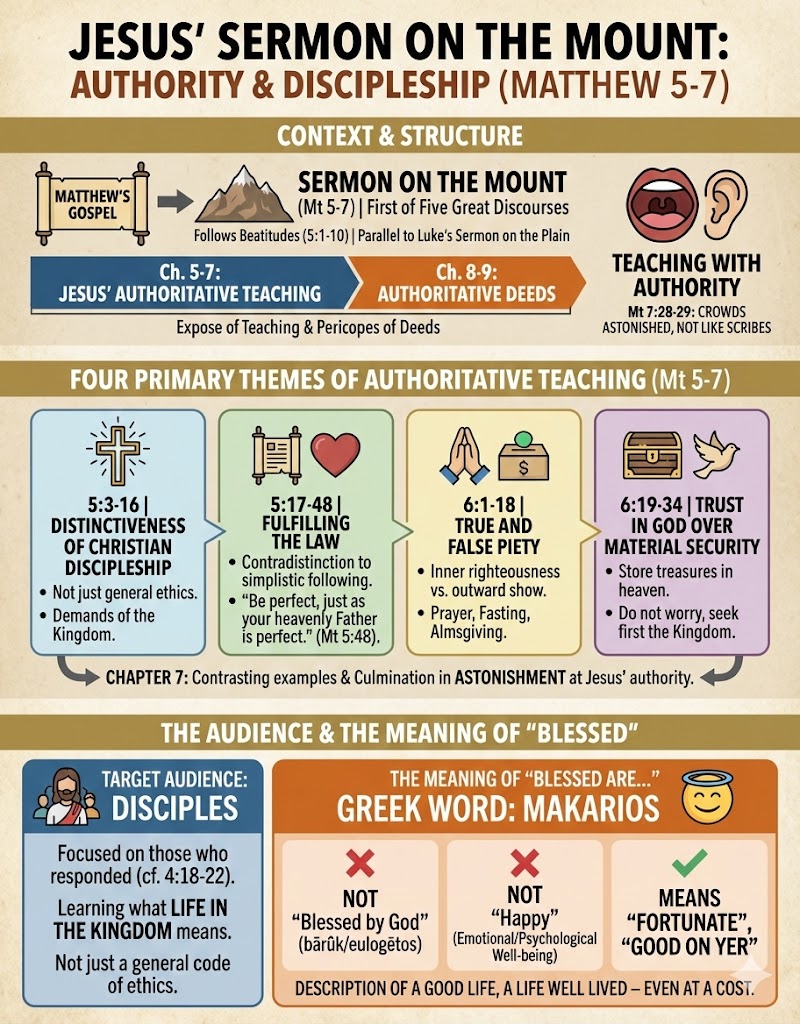
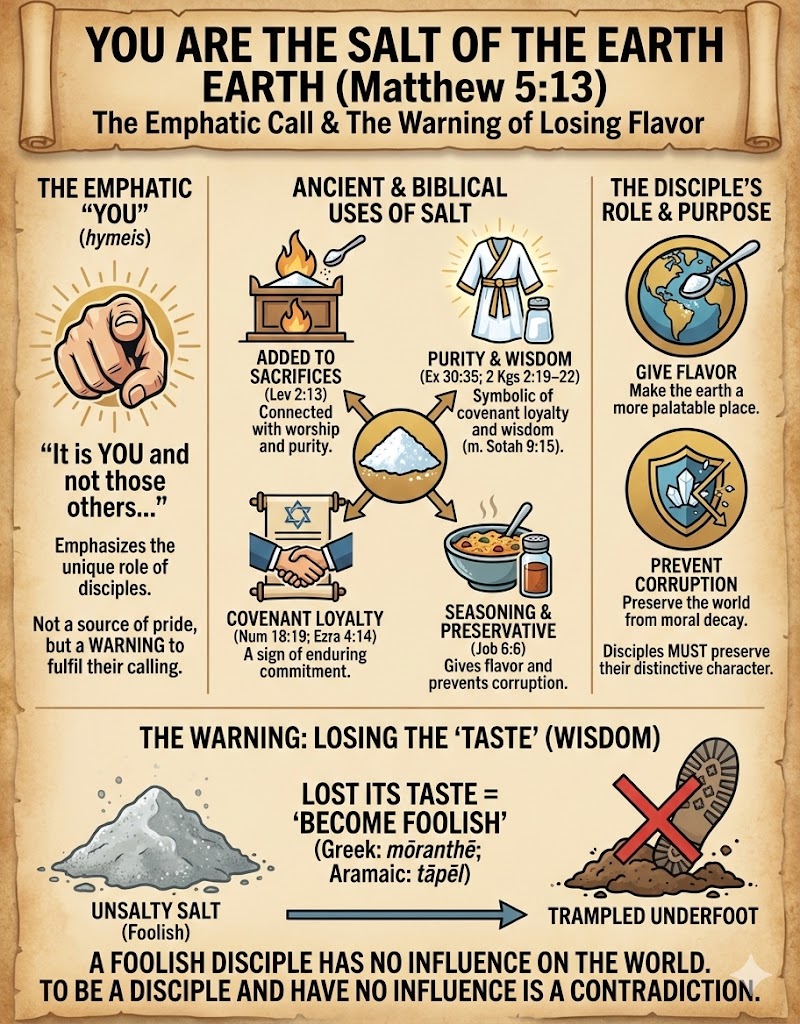
THE WORD THIS WEEK infographics below were created using using GOOGLE’S AI Gemini 3 Pro. You are free to use the them in any non-profit ministry. Proper attribution, however, must be given to Fr. Corrigan, OFM.


Catholic Biblical
Studies
Father Tim Peters, S.Th.D.
Professor of Biblical Theology
St. John’s Seminary
Camarillo, CA
1st READING | PSALM | 2nd READING | GOSPEL
TWTW Presentation Slides
THE WORD THIS WEEK infographics are based off Father Peters’ presentation. They were created using using GOOGLE’S AI Gemini 3 Pro. You are free to use the them in any non-profit ministry. Proper attribution, however, must be given to Father Tim Peters, S.Th.D.