

Television
& Movies
CONNECTIONS

Making
Connections
to the
Readings
MOVIES & TELEVISION
14th Sunday of Year B

The Matrix (1999)
The Matrix and Ezekiel's Calling
Ezekiel 2:2-5 recounts the moment the prophet Ezekiel is called by God to speak to the rebellious Israelites. This passage shares a striking similarity to the iconic film "The Matrix," particularly in the awakening and mission of its protagonist, Neo.
In "The Matrix," Neo, like Ezekiel, is called to challenge the status quo and awaken others to the truth. Just as Ezekiel was empowered by the Spirit of God, Neo discovers his true identity as "The One" and embarks on a mission to liberate humanity from the simulated reality of the Matrix. Both Ezekiel and Neo are initially reluctant to accept their roles, but ultimately embrace their callings and work towards freeing people from bondage – the Israelites from spiritual rebellion and the Matrix's inhabitants from virtual enslavement.
The verse "Son of man, I am sending you to the Israelites, a nation of rebels who have rebelled against me; they and their ancestors have been in revolt against me to this very day" parallels the systemic deception and control imposed on humanity by the machines in "The Matrix." Neo must confront these forces and open people's eyes to the illusion in which they are trapped.
Similarly, "I am sending you to them, and you are to say to them: 'Thus says the Lord God!' And they shall know that a prophet has been among them" echoes Neo's role as a messianic figure who challenges the norms of the Matrix and serves as a beacon of truth and hope for the oppressed.
"The Matrix" resonates with Ezekiel's calling as a tale of transformation, courage, and the pursuit of truth in the face of adversity. The film demonstrates the enduring relevance of prophetic narratives and their power to inspire change and challenge systems of oppression, much like the mission of Ezekiel in biblical times.

Tomorrowland (Mad Men)
Confronting Weakness and Past Mistakes
In Mad Men's Season 4 finale, "Tomorrowland," the protagonist, Don Draper, undergoes a transformative experience that parallels the spiritual journey outlined in 2 Corinthians 12:7-10. Much like the Apostle Paul, Don must confront his weaknesses and past mistakes to find strength and forge a new path forward.
Throughout the episode, Don grapples with his personal flaws and the consequences of his actions. His struggles, including his infidelity and inability to confront his troubled childhood, serve as metaphorical "thorns in the flesh," as described in 2 Corinthians 12:7. These weaknesses weigh heavily on Don, leading him to question his choices and reevaluate his life.
In the face of these challenges, Don finds the courage to make difficult decisions. He ends his engagement to Megan and, in a pivotal moment, opens up about his past to his children. Through these actions, Don demonstrates resilience and self-awareness, illustrating the idea that strength can arise from vulnerability.
A key aspect of Don's journey that resonates with 2 Corinthians 12:7-10 is the notion that "power is made perfect in weakness" and that one can find contentment in their vulnerabilities. Just as St. Paul embraces his weaknesses and draws strength from God's grace (2 Corinthians 12:9-10), Don accepts his past mistakes and uses them as catalysts for personal growth.
Mad Men's "Tomorrowland" exemplifies the transformative power of embracing one's weaknesses, echoing the spiritual journey outlined in 2 Corinthians 12:7-10. Don Draper's story serves as a powerful reminder that true strength can emerge from adversity and that vulnerability can pave the way for a more authentic, fulfilling life. By acknowledging his weaknesses and relying on his inner strength, Don ultimately finds redemption and a sense of purpose.

Field of Dreams (1989)
Faith and Determination in the Face of Skepticism
The 1989 film "Field of Dreams" shares a striking parallel with the story of Jesus' rejection in his hometown, as told in Mark 6:1-6. The film illustrates how our faith and determination can lead us to fulfill our calling, even in the face of skepticism and opposition, much like Jesus' experience in the Gospel passage.
Mark 6:1-6 recounts how Jesus was rejected in his hometown of Nazareth, where people could not see beyond their familiarity with him as a carpenter's son: "They took offense at him... And he was amazed at their lack of faith." Similarly, in "Field of Dreams," protagonist Ray Kinsella encounters skepticism and resistance as he pursues his extraordinary vision.
In the film, Ray, an Iowa farmer, hears a mysterious voice that tells him, "If you build it, he will come." Despite mockery and disbelief from others, Ray trusts his instincts and builds a baseball field on his farm, attracting the ghosts of famous players. This mirrors the disbelief Jesus encountered in his hometown, as people could not comprehend the divine nature of someone they had known all their lives.
As Jesus perseveres in his mission despite the rejection of his hometown, Ray continues to follow his heart and pursue his vision, even when faced with financial ruin and the threat of losing his farm. Mark 6:6 highlights the power of faith and determination in the face of opposition: "He was amazed at their lack of faith. He went around to the villages in the vicinity teaching."
In the end, Ray's faith is rewarded as the baseball field becomes a magical place where people can find healing, redemption, and second chances. Similarly, Jesus' unwavering commitment to his mission leads to the spread of his message throughout the region, touching countless lives.
"Field of Dreams" serves as a powerful example of how faith and perseverance can overcome skepticism and resistance, much like the story of Jesus' rejection in his hometown in Mark 6:1-6. Both narratives remind us of the importance of believing in ourselves and our calling, even when faced with doubt and adversity.

Exceptional people and transformative events that have shaped history
HISTORY CONNECTIONS
14th Sunday of Year B
People & Events
Ez 2:2-5
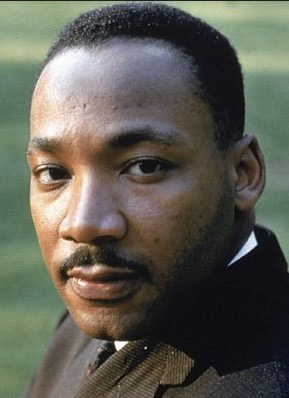
Martin Luther King Jr., an iconic figure in the American Civil Rights Movement, shared a remarkable parallel with the biblical prophet Ezekiel, particularly in relation to their respective callings and the challenges they faced. In Ezekiel 2:2-5, the prophet is called to speak God's word to a rebellious people, much like how Martin Luther King Jr. was called to lead the struggle against racial injustice and segregation in a divided society.
Ezekiel's mission was to convey a message of repentance, justice, and spiritual renewal to the exiled Israelites who had turned away from God. Similarly, Martin Luther King Jr.'s mission was to challenge the systemic oppression, racism, and inequality that plagued America during the 1950s and 60s. Both men faced immense opposition and resistance as they sought to fulfill their callings and bring about change.
Just as Ezekiel was empowered by the Spirit of God to stand firm in the face of adversity, Martin Luther King Jr. drew strength from his faith and the teachings of Jesus to remain committed to the cause of justice and nonviolence. His unwavering commitment to the principles of love, equality, and civil disobedience in the face of violent opposition and resistance from the status quo serves as a powerful example of modern-day prophecy and leadership.
Both Ezekiel and Martin Luther King Jr. were instrumental in bringing about social and spiritual change in their respective contexts. Their courage, faith, and persistence in the face of opposition continue to inspire people today, challenging us to remain steadfast in our own callings and work towards creating a more just and equitable world.
2 Cor 12:7-10

The experiences of Malala Yousafzai and the message of 2 Corinthians 12:7-10, particularly the verse "I am content with weaknesses, insults, hardships, persecutions, and constraints, for the sake of Christ; for when I am weak, then I am strong," share a common thread of finding strength in vulnerability and adversity.
Malala's journey exemplifies the transformative power of embracing one's weaknesses and turning them into opportunities for growth and positive change. After surviving an assassination attempt by the Taliban for advocating girls' education, Malala faced significant hardship and persecution. However, instead of allowing these challenges to defeat her, she drew strength from her faith and convictions, becoming an international symbol of resilience and resistance against oppression.
Similarly, St. Paul, in 2 Corinthians 12:7-10, speaks of finding contentment in his weaknesses, as it is through them that he experiences the sufficiency of God's grace and the perfecting of divine power. For both Malala and Paul, their moments of vulnerability and weakness became sources of strength, enabling them to persevere in their respective missions and inspire others with their unwavering faith.
Both Malala and Paul serve as powerful examples of individuals who have not only overcome adversity but have also used their experiences to create a lasting impact on the world. By embracing their weaknesses and relying on their faith, they have become symbols of hope and resilience, inspiring countless others to persevere in the face of hardship and find strength in their own vulnerabilities.
Mk 6:1-6
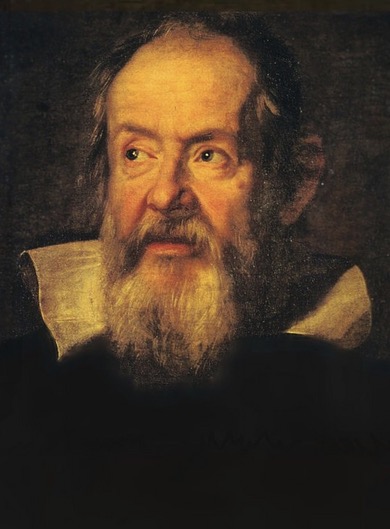
The experiences of Galileo Galilei and the narrative in Mark 6:1-6 share the common theme of rejection and opposition faced by those who challenge the status quo or present new ideas.
Just as Jesus faced disbelief and scorn from his own people in Nazareth when he proclaimed his message, Galileo encountered resistance and persecution from the Catholic Church when he presented scientific evidence supporting heliocentrism. Both Jesus and Galileo were rejected by those who were closest to them and who should have been most receptive to their teachings.
Furthermore, both Jesus and Galileo remained steadfast in their convictions, despite the adversity they faced. Jesus continued to preach and perform miracles, while Galileo pursued his scientific research and defended his findings, even when threatened with excommunication.
In both cases, the initial rejection eventually gave way to wider acceptance and recognition of their respective messages. Today, Galileo is celebrated as a pioneer of modern astronomy, and Jesus' teachings continue to inspire and guide millions of Christians worldwide.

Word This
Week
Catholic
Podcast
Catholic
Prayers
Here are ideas to help you create an opening or closing prayer for your small group discussion
14th Sunday of Year B
[radio_player id=”5″]CATHOLIC PRAYERS
FIRST READING
SECOND READING
GOSPEL READING