Homilies
Homilies
July 5, 2026
⭐⭐⭐ Earthquakes in Venezuela


14th Sunday of Year A
Finding Our Rock when
The Earth Gives Way
Inside the comfort of this church, the ground beneath our feet feels solid. We take its stability for granted, assuming the walls will stand and tomorrow will look much like today.
Yet, just last week, the people of north-central Venezuela were brutally reminded of how fragile our world is. Concrete crumbled, roads split, and ordinary lives were instantly buried under dust, grief, and terror. Thousands are mourning, thousands more are injured, and tens of thousands remain unaccounted for.
When the earth shakes so violently, it fractures our sense of security. We ask: Where do we find solid ground when the world collapses around us? This Sunday’s readings offers us a foundation that no tectonic shift can shatter.
The Humble King and Fragile Fortresses
Life Amid the Rubble
The Invitation of the Yoke
Fr. Tony’s Homilies
14th Sunday of Year A
The Yoke He Made for Me
- Fr. Tony Kadavil, Fr. Tony’s Homilies – Anecdotes
- The New American Bible, Revised Edition (NABRE), Matthew 11:25-30
- Saint Augustine, Sermons on the New Testament, Sermon 69 on Matthew 11:28
- Saint John Chrysostom, Homilies on the Gospel of Matthew, Homily 38
- Saint Thomas Aquinas, Catena Aurea on Matthew 11
- William Barclay, The Gospel of Matthew, Daily Study Bible Series
- The Interpreter’s Dictionary of the Bible, entry on “Yoke”
- Catechism of the Catholic Church, paragraphs 459, 1615, on the yoke of Christ
- Pope Benedict XVI, Jesus of Nazareth, Volume 1, reflections on the Sermon on the Mount and discipleship
- Bishop Robert Barron, Word on Fire homilies on Matthew 11:25-30
Deacon Peter McCulloch
14th Sunday of Year A
✍️ Two Kinds of Life
This homily explores the profound linguistic and spiritual distinction between two ancient Greek concepts of life: bios (earthly, biological life) and zoe (eternal, spiritual life). While English Bible translations obscure this nuance by rendering both as “life,” understanding the difference is central to the Christian journey. Bios is inherited naturally but inevitably degrades and dies. In contrast, zoe begins at baptism and must be actively cultivated through the Holy Spirit.
Reflecting C.S. Lewis’s assertion that Christianity is entirely about moving from bios to zoe, the homily highlights the life of Father Walter Ciszek. Imprisoned for years in a Soviet labor camp, Ciszek was stripped of physical and worldly comforts (bios). Yet, through the clandestine celebration of the Holy Eucharist, he discovered the enduring strength and joy of zoe. Ultimately, the homily reminds us that God never abandons us; He constantly sustains our only long-term hope: the eternal life of the Spirit.

Bishop Robert Barron
14th Sunday of Year A
▶️ Your King Shall Come to You

In this reflection for the 14th Sunday of Ordinary Time, Bishop Barron explores how Jesus perfectly fulfills the Old Testament prophecies of the prophet Zechariah. Unlike traditional, mighty monarchs who project power through violence and advanced weaponry, Zechariah foretold a meek, non-violent king who would ride a humble donkey and banish all instruments of war to usher in authentic peace. Despite Israel’s severe historical vulnerability during Zechariah’s time, the prophet boldly predicted that this humble ruler’s dominion would span the entire earth.
Jesus actualized this vision through his peaceful entry into Jerusalem, his crucifixion, and his post-resurrection message of forgiveness. Today, this universal reign is empirically realized through the global presence of the Church. True discipleship under Christ’s kingship transcends simple moral imitation; rather, through the sacramental life, believers are organically incorporated and grafted into his divine life, finding their ultimate communal identity and purpose within his peaceful, eternal kingdom.
Fr. Michael Chua
14th Sunday of Year A
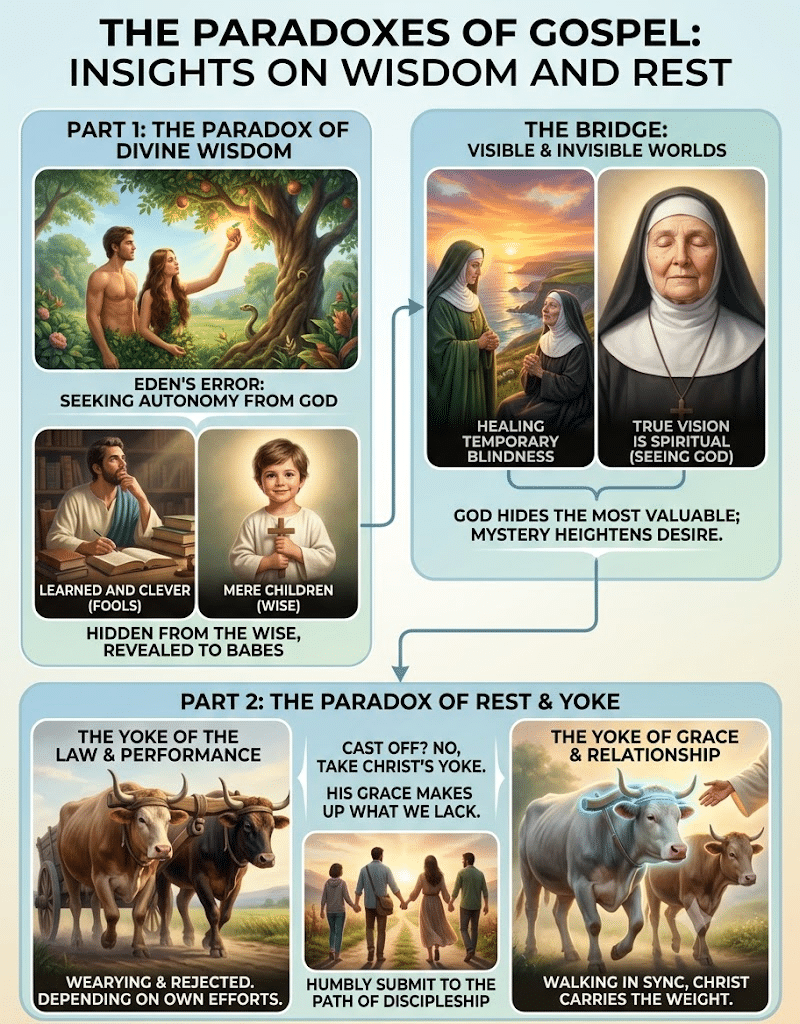
✍️ Wisdom and Freedom
This homily explores the profound paradoxes of Christian discipleship found in the two seemingly inexplicable parts of the Gospel. The first part addresses divine revelation: God conceals His deepest wisdom from the self-proclaimed “learned and clever” while revealing it to humble, child-like souls. True wisdom requires faithful submission to God rather than the prideful pursuit of moral autonomy, which has distanced humanity from the spiritual world since the Fall.
The second part deconstructs Christ’s unexpected invitation to rest by taking on His “yoke”. Rather than offering an escape from labor, Jesus replaces the crushing, performance-driven yokes of legalism and worldly expectations with a yoke of grace. By walking in sync with Christ, believers allow Him to carry the primary weight of life’s burdens. Ultimately, true freedom and spiritual rest are achieved not through absolute autonomy, but through humble submission to His easy and light yoke.
Dominican Blackfriars
14th Sunday of Year A
✍️ All Times and Seasons
Fr. John O’Connor’s homily on the Fourteenth Sunday of the Year explores the foundational necessity of sustained personal prayer, using Jesus’s “Johannine thunderbolt” prayer (Matthew 11:25-27) as a model. Despite mounting hostility from religious leaders and rejection from cities like Capernaum, Jesus abruptly steps back from worldly conflict to engage in an intimate dialogue with the Father. He praises God for hiding profound spiritual mysteries from the self-proclaimed “wise and understanding” while revealing them to “babes”—the humble who openly receive Him.
The homily illuminates a crucial spiritual lesson: prayer must not be reserved solely for seasons of hardship or fair-weather comfort. True prayer is not merely transactional, nor is it aloof from earthly struggles. Rather, it is an ongoing, life-giving relationship with a loving Creator. Ultimately, the faithful are urged to bring their authentic realities into prayer across all seasons of life, nurturing an enduring friendship with God.

Fr. Austin Fleming
14th Sunday of Year A
✍️ You’re Not in the Flesh, You’re in the Spirit!
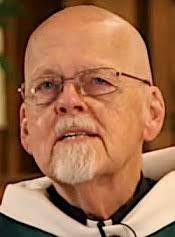
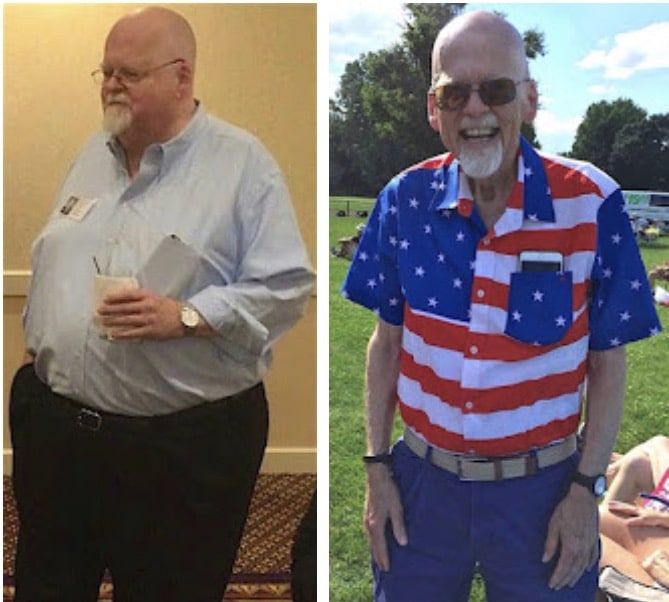
This homily explores St. Paul’s letter to the Romans, examining what it means to move from living “in the flesh” to living “in the spirit.” The preacher uses his personal journey of losing 205 pounds after bariatric surgery to illustrate a profound spiritual truth: heavy physical or emotional weights subtly dictate, shape, and restrict our entire lives, often blinding us to true spiritual freedom.
Expanding beyond physical obesity, the text outlines various modern “yokes of the flesh”—including addiction, workaholism, resentment, and self-pity. Drawing from his transformation, the preacher outlines three essential steps for spiritual liberation: Cultivating a genuine desire for change, accepting the necessary cost of letting go, and fully trusting in divine grace and communal support.
Ultimately, the homily reminds the faithful that while self-effort fails, yoking oneself to Christ through the Eucharist unlocks an impossible transformation, allowing the Spirit of God to dwell within us in complete joy and serenity.

Monsignor Peter Hahn
14th Sunday of Year A
▶️ Come to Me All who Labor and are Burdened
Drawing from the intense personal clarity of accompanying his dying mother, Msgr. Peter Hahn addresses life’s ultimate reality: our journey is a continuous going forth from God and an inevitable return to Him. While Christ’s familiar words, “Come to me… and I will give you rest,” serve as a daily spiritual invitation, they also represent this unavoidable human destiny.
Msgr. Hahn warns that modern secularization falsely promises relief through sources that omit God and distort the concept of freedom as the license to do whatever one wants. In reality, choosing sin enslaves us to disordered affections, whereas true freedom is found only in choosing the good. Refuting Satan’s deception that holy living is too difficult, the homily emphasizes that Christ’s yoke is easy and His burden light; practicing virtue grows easier through divine grace. Ultimately, the faithful are called to maintain a sharp focus on their eternal origin and destiny, uniting their daily crosses with Christ to share in the glory of His resurrection.
Fr. Charles E. Irvin
14th Sunday of Year A
✍️ Christ’s Yoke Upon Us

This homily addresses the overwhelming array of modern burdens—from economic strains, unstable marriages, and health scares to internal cycles of shame, self-blame, and guilt. Clarifying that Christian faith is not a magical shield against suffering, the text refutes distorted, prosperity-driven gospels that falsely promise a life entirely free of pain, doubt, or illness.
Instead, Christ offers a relational solution: an invitation to be yoked alongside Him. Rather than removing our hardships, Jesus pulls these weights with us, providing divine strength to manage them. True spiritual rest requires shedding rigid, legalistic images of an angry deity in favor of a gentle, loving Father. Crucially, the homily emphasizes that our heaviest self-imposed loads stem from self-centered resentment. To experience true liberation, the faithful must accept Christ’s conditional demand for forgiveness, releasing personal resentments to allow His grace to transform and lighten life’s inevitable burdens.
Fr. Joe Jagodensky, SDS
14th Sunday of Year A
✍️ Kindergarten & Biblical Advice
This reflection harmonizes the foundational, practical lessons of childhood with profound biblical truths to offer a blueprint for a balanced, faithful life. By interweaving classic kindergarten tenets—such as sharing, playing fair, cleaning up messes, and apologizing—with sacred Scripture, the text illustrates that the core principles of human decency align closely with divine wisdom.
The commentary pairs the inevitability of mortality, observed through classroom pets and seeds, with the spiritual promise of eternal life through the Holy Spirit. It highlights a central paradox: while we encounter labor, burdens, and physical limitations in the world, Christ provides a gentle yoke and ultimate rest for those who approach Him with humility. Ultimately, the text underscores a timeless reminder for all ages: navigating the complexities of the world requires a sense of wonder, an attentive spirit to “LOOK,” and a commitment to communal unity—holding hands and sticking together.

Fr. Langeh, CMF

14th Sunday of Year A
▶️ Come and Rest

This homily addresses the modern epidemic of stress and subsequent depression, highlighting how external demands and internal pressures damage the body, mind, and spirit. While recognizing that maintaining a productive schedule is necessary, the text underscores the profound biblical necessity of rest. Drawing on Saint Augustine’s truth that the human soul remains restless until it rests in God, the homily explores Jesus’ urgent invitation in the Gospel: “Come.”
This call is presented not merely as an optional offer, but as a loving imperative. Jesus commands the weary, stressed, and overburdened to surrender their anxieties and cease the exhausting labors of self-effort. Because Christ alone is holy and righteous, absolute spiritual refreshment cannot be manufactured through worldly means. Ultimately, the homily challenges the faithful to heed Christ’s voice today, soften their hearts, and discover complete, restorative rest for their souls by yoking themselves to Him.

Msgr. Charles Pope
14th Sunday of Year A
✍️ Stop Yoking Around
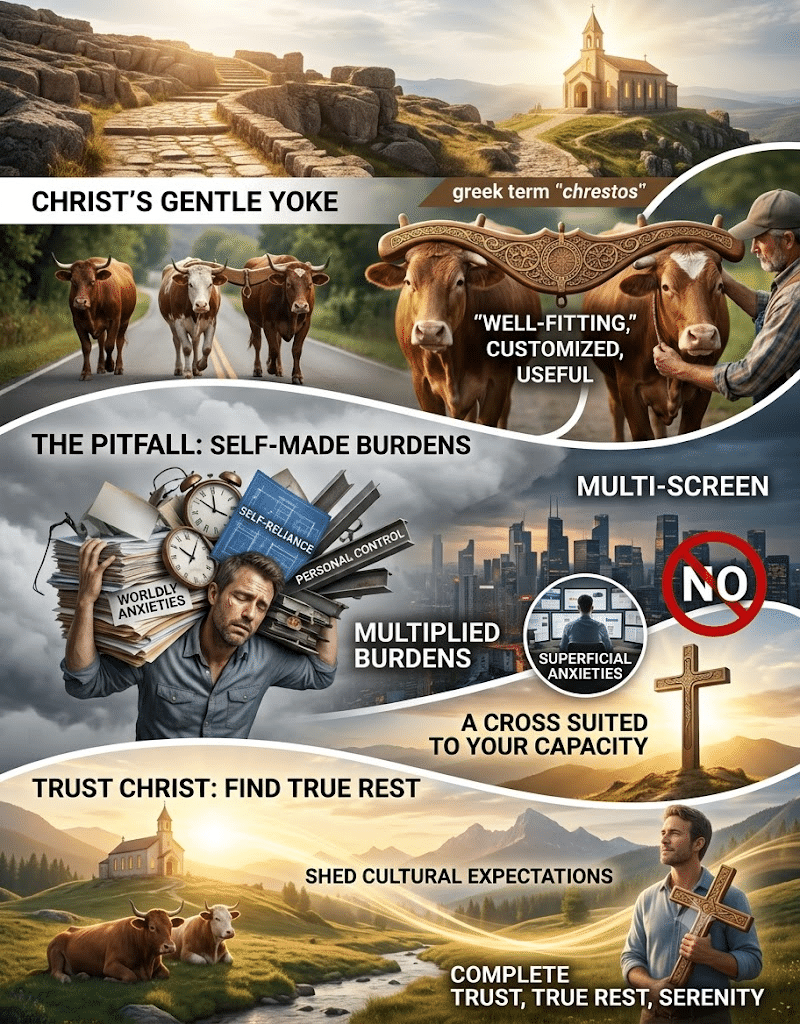
Msgr. Charles Pope’s homily addresses the common misinterpretation of Christ’s scriptural promise that His yoke is easy and His burden light. He clarifies that the Greek term chrestos does not mean a life free of difficulty, but rather a yoke that is “well-fitting,” customized, and useful for our spiritual growth. While Jesus emphasizes that following Him requires carrying a cross, that cross is uniquely suited to each believer’s capacity.
The primary spiritual pitfall occurs when individuals unnecessarily multiply their own burdens by adding worldly anxieties, self-reliance, and standards of their own making. Msgr. Pope observes that modern society eliminates manual labor while simultaneously manufacturing endless superficial anxieties, replacing a holy, reverent fear of God with thousands of paralyzing worldly fears. Ultimately, the homily reminds the faithful to shed the heavy yokes of cultural expectations and personal control. By completely trusting and yoking ourselves strictly to Christ, we find true rest, serenity, and the grace to bear our appointed burdens.
Father Kevin Rettig
14th Sunday of Year A
▶️ The Cracked Liberty Bell
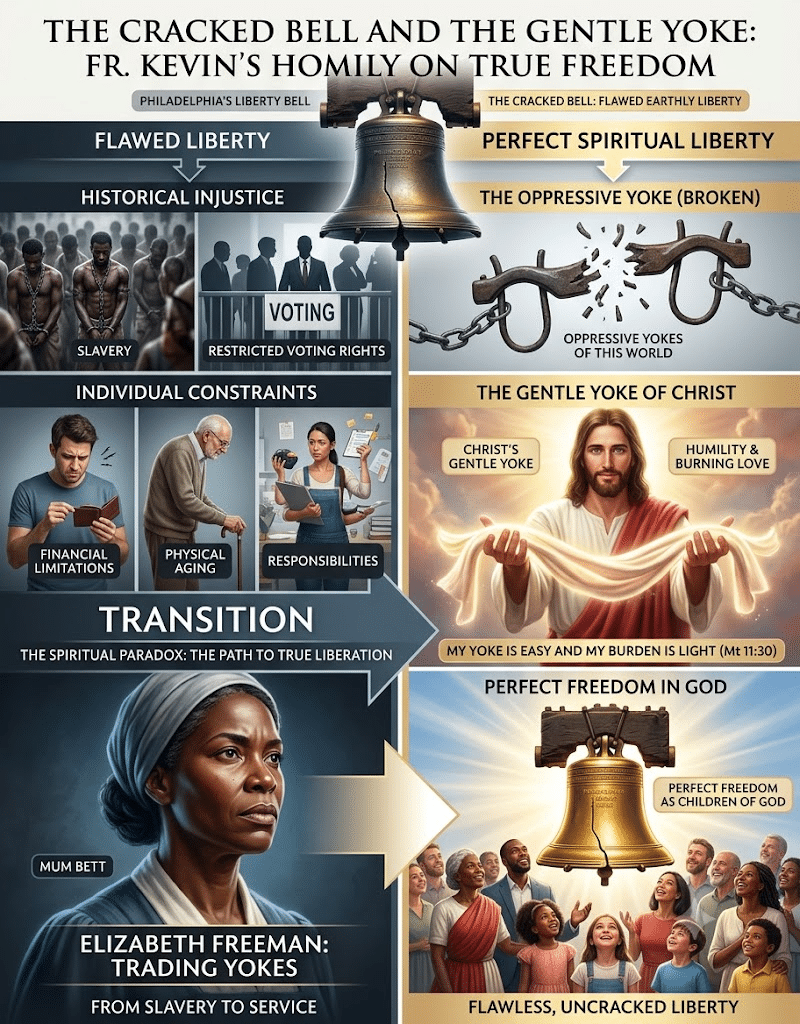
Fr. Kevin’s homily explores humanity’s intense, universal thirst for freedom, contrasting this deep desire with the inherently flawed nature of earthly liberty. Using the striking, historical imagery of Philadelphia’s cracked Liberty Bell, the sermon illustrates how worldly freedom remains consistently compromised—historically through systemic injustices like slavery and restricted voting rights, and individually through the inevitable constraints of financial limitations, physical aging, and everyday responsibilities.
Drawing inspiration from Elizabeth Freeman (“Mum Bett”), the first enslaved person legally freed in Massachusetts, the homily introduces a profound, timeless spiritual paradox: true liberation requires trading the oppressive yokes of this world for a new bond. Ultimately, Fr. Kevin argues that flawless, uncracked freedom cannot be found in absolute independence. Instead, perfect spiritual liberty is fully realized only by willingly embracing the gentle yoke of Christ, whose divine path of humility and burning love successfully transforms us into the beloved, free children of God.
Fr. George Smiga
14th Sunday of Year A
✍️ Fear and Love

This homily addresses the paralyzing nature of fear and its power to obstruct positive action, illustrated by a humorous anecdote of a newly ordained priest whose anxiety causes him to disastrously misdeliver a bishop’s lighthearted icebreaker. While modern life presents authentic anxieties regarding health, family, and societal instability, the text emphasizes that Jesus does not promise the immediate removal of these hardships. Instead, through the scriptural promise that His yoke is easy and His burden is light, Christ offers the grace and strength necessary to endure them without becoming paralyzed.
Grounded in this theological truth, the parish community—marking thirty years of mutual support and introducing a new youth ministry initiative—serves as a vital sanctuary where faith is nurtured. Ultimately, the homily reminds the faithful that while reasons for fear are ever-present, communal worship, the Eucharist, and an enduring trust in God’s reality can successfully transform fear into love.

Additional Homilies
14th Sunday of Year A
Fr. Vincent Hawkswell | Archive
He Will Command Peace to the Earth
Fr. George Corrigan, OFM
Take My Yoke: Context
Take My Yoke: Commentary
Take My Yoke: Invitation
Msgr. Joseph Pellegrino (PDF) | Archive
The Strong One
Fr. Tommy Lane | Archive
Come to Jesus: his yoke is easy and light 2008
Come to me all you who labor and are burdened
Related Homilies: Jesus’ prayer is a model for our prayer 2018
Jesus’ yoke is easy and his burden light 2018
Jesus’ yoke and burden
Fr. Michael Fallon, MSC | Archive