Catholic Digest, Homily Themes
Catholic Digest, Homily Themes
July 5, 2026








Theology, Apologetics & Evangelization
These channels focus on explaining and defending the Catholic faith, often engaging with modern culture and other viewpoints.
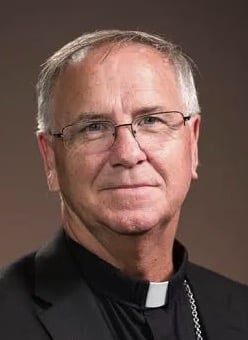
- Bishop Robert Barron (Word on Fire): One of the most influential voices in the Church, offering cultural commentary, movie reviews, and deep theological deep-dives.
- Ascension Presents: A powerhouse channel featuring popular figures like Fr. Mike Schmitz (known for the “Bible in a Year” and “Catechism in a Year” podcasts) and Fr. Josh Johnson, offering accessible videos on faith and life.
- Catholic Answers: The premier channel for Catholic apologetics, featuring live Q&A shows where apologists answer tough questions from callers.
- Pints with Aquinas (Matt Fradd): Long-form interviews and discussions on theology, philosophy, and culture, often over a drink.
- The Counsel of Trent (Trent Horn): Trent Horn, a Catholic Answers apologist, provides rebuttals to atheist and Protestant arguments, as well as commentary on current events.
- Jimmy Akin: A senior apologist at Catholic Answers known for his fairness and deep knowledge, covering everything from bizarre questions to deep theology.
- Breaking In The Habit (Fr. Casey Cole, OFM): A young Franciscan friar who offers fresh, accessible reflections on faith, vocations, and everyday life.
- Thomistic Institute: Excellent, high-quality animated videos and lectures explaining the philosophy and theology of St. Thomas Aquinas.
14th Sunday of Year A

14th Sunday of Year A

The Yoke of Gentleness
Gospel: Matthew 11:25–30
Theme: Learn from me, for I am gentle and humble of heart.
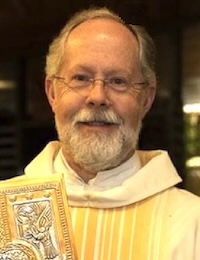
McCulloch
(Diocese of Broken Bay)
After the demanding missionary discourse, Jesus offers a prayer of praise and an astonishing invitation. He reveals that God’s wisdom is hidden from the wise and revealed to the little ones. Then, He turns to all who are weary and find life burdensome and offers them, not a free pass, but a new relationship: “Come to me… Take my yoke upon you and learn from me, for I am gentle and humble of heart.”
The world’s yokes are heavy, imposed by power and pride. But Christ’s yoke is easy because it is the yoke of a shared, gentle, and humble love. As St. Francis de Sales wrote, “Nothing is so strong as gentleness, nothing so gentle as real strength.”
The deacon is a man ordained to be a living sign of this gentle strength. His entire ministry is an embodiment of the gentle and humble heart of Christ, a ministry that carries burdens with tenderness – a yoke shared, not imposed.
AT MASS
The Proclamation of Gentleness
The deacon’s liturgical role is to be the voice of this gentle invitation.
• The Voice of Comfort: When the deacon proclaims this Gospel, his voice must be an instrument of Christ’s own tenderness. He is speaking directly to the weary and burdened in the pews, offering them not a new law, but a new rest.
• The Homily of the Humble Heart: The deacon’s preaching on this text is an antidote to the noise and harshness of the world. He is called to preach a homily of comfort, reassurance, and humble love, reminding the assembly that God’s strength is found in gentleness, not in worldly power.
Minister of the Easy Yoke: The deacon, as the ordinary minister of the Chalice, serves the assembly the Blood of Christ – the very source of this gentle strength. The Eucharist itself is the easy yoke, the gift of love that makes our burdens light. His dismissal, to “Go in peace,” is a commission to carry that gentleness out into the world.
IN THE PARISH
The Ministry of the Quiet Presence
The deacon, by his very vocation, is a sign of humility. He is not a prince of the Church, but her servant.
• The Humble Servant: The deacon’s dual vocation – living with one foot in the world (family, job) and one at the altar – is a witness to humility. He serves without demanding recognition. His ministry in parish councils, in faith formation, and in pastoral care is effective not when it is loud, but when it is gentle, patient, and humble.
• An Antidote to Harshness: In a parish, which can have its own harshness (judgment, gossip, cliques), the deacon’s quiet presence is the oil of peace. He is the one who must listen more than he speaks, and who comforts more than he corrects, embodying the gentle and humble heart of Jesus.
AT THE MARGINS
The Sharing of the Yoke
This Gospel is the very soul of diakonia. The deacon’s job is to go to the weary and burdened.
• Finding the Weary: The deacon is the Church’s first responder to those who struggle and are over-burdened – the sick, the grieving, the imprisoned, the poor, the lonely.
• A Yoke Shared, Not Imposed: The deacon does not arrive at the hospital or the home of the grieving with a new set of burdens (a quick fix, a list of demands). He comes to share the yoke. He sits, he listens, he carries them with tenderness. His simple, silent, supportive presence is the easy yoke made tangible.
• The Strength of Tenderness: This is the real strength St. Francis de Sales spoke of. The deacon’s act of bringing the Eucharist to the homebound, of feeding the hungry, or of holding the hand of the dying is the strongest proclamation of the Gospel. It is Christ Himself, through His deacon, giving rest to their souls.
14th Sunday of Year A
The Shared Yoke: Finding Rest in Spiritual Direction
SUMMARY: Priestly discernment is an interior battleground that cannot be navigated alone. By pairing with a spiritual director, a candidate shares the weight of discernment, exposes the illusions of self-reliance, and transforms a crushing burden into Christ’s easy, peaceful yoke.
The road to the priesthood is not a career path to be engineered; it is a mystery to be lived. Whether you are just beginning to look at this calling with quiet wonder or are already sitting in a seminary desk, the core challenge remains the same: you cannot discern this alone. Vocational discernment is an interior battleground where your own desires, fears, the voice of the world, and the gentle whisper of the Holy Spirit all converge. To navigate this landscape safely, you must be yoked to a spiritual director.
The Battle Lines of the Interior Life
In Romans 8, St. Paul draws a sharp, uncompromising line between two ways of living: according to the flesh and according to the Spirit. He writes,
“If you live according to the flesh, you will die, but if by the Spirit you put to death the deeds of the body, you will live.”
For a young man discerning the priesthood, “the flesh” is rarely just a temptation to gross sin; more subtly, it manifests as the desire for self-reliance, spiritual pride, or a priesthood built in your own image.
Left to your own devices, it is dangerously easy to mistake your own voice for the voice of God. You might look at your natural talents and assume you are called, or look at your deep brokenness and assume you are disqualified. The flesh relies on its own optics.
The Spirit, however, “dwells in you” to bring life and freedom. Because the Holy Spirit works with immense subtlety, you need an objective, trained observer—a spiritual director—to help you “put to death” the illusions of the flesh.
A spiritual director acts as a mirror, helping you spot the blind spots of spiritual pride, the hidden attachments to comfort, or the subtle fears that keep you from giving a total “yes” to God. They ensure that your discernment is rooted in reality, not a pious fantasy.
Resting in the Yoke: The Childlike Heart
However, if discernment were nothing but a grueling, hyper-vigilant battle against the flesh, it would quickly lead to spiritual burnout. This is where the Gospel of Matthew provides the essential balance. Jesus prays,
“I give praise to you, Father, Lord of heaven and earth, for although you have hidden these things from the wise and the learned you have revealed them to the childlike.”
True discernment requires a childlike disposition. It demands that you drop the intellectual armor and the exhausting need to have your entire life figured out by next week. Christ follows this praise with a beautiful, paradoxical invitation:
“Take my yoke upon you and learn from me… and you will find rest for yourselves. For my yoke is easy, and my burden light.”
A yoke is a heavy wooden beam designed for two oxen to pull a load together. When Jesus invites you into His yoke, He is promising that He is doing the heavy lifting. In the context of your discernment, this Christ-like yoke takes on a tangible, human form through your spiritual director. A spiritual director is someone already securely fastened into the yoke of Christ, who steps in alongside you to help you bear the weight of your questions, doubts, and anxieties. When you try to discern in isolation, you bear a crushing, unordained burden. You constantly ask yourself: Am I holy enough? Did I pray right today? What if I make the wrong choice?
But when you submit your interior life to a spiritual director, you are paired with someone who can say, “Stop pulling so hard. Let Christ lead. Rest in this step.” The director helps you decode the movements of your heart, teaching you how to distinguish between the driving, anxious spirit of the enemy and the gentle, peaceful leading of the Good Shepherd. They help keep the burden of discernment exactly what Christ promised it would be: light.
The Crucible of Humility
Whether you are stepping into a seminary for the first time or are years into the formation process, do not buy into the lie of the isolated hero. The Church does not need self-made priests; she needs men who have been formed in the crucible of humility. Be completely transparent with your director. Bring him your highest joys and your darkest, most embarrassing temptations. By yoking yourself to his wisdom, you are ultimately yoking yourself to Christ. In that holy companionship, the pressure to “figure it out” fades away, leaving room for the Holy Spirit to breathe life into your mortal body, guiding your steps toward the altar with absolute freedom and rest.
Practical Footsteps for the Journey
Here are three practical footsteps to help you ground these spiritual principles into your daily routine, whether you are just stepping into discernment or are already navigating formation in the seminary.
Establish Your Fixed Interval
Commit to meeting with your spiritual director at a set frequency—ideally every 3 to 4 weeks. Lock these dates into your calendar months in advance. Treat these appointments as non-negotiable encounters with Christ’s guidance, rather than meetings you only schedule when a crisis arises.
Keep a ‘Two-Column’ Discernment Journal:
During your daily prayer, maintain a journal divided into two distinct columns: Consolation (where you feel an increase in faith, hope, and peace) and Desolation (where you experience anxiety, spiritual dryness, or self-reliance). Do not analyze them immediately. Simply record the movements honestly so you have a concrete, unvarnished spiritual map to hand to your director at your next meeting.
Practice the Daily Examen:
Spend the final 10 to 15 minutes of each day reviewing your interior movements. Ask the Holy Spirit to reveal where you consciously pulled along with the yoke of Christ, and where you attempted to slip the yoke to rely on the flesh. Reviewing these daily patterns strips away the illusions of self-reliance and gives your director the exact raw material needed to guide you effectively.
Essay and video created with AI tools and human editorial oversight.

Download PDF (High Resolution)
Non-profits have permission to use in their ministry.
14th Sunday of Year A

The Trinity Dome
by Bishop John P. Dolan
Diocese of Phoenix
Basilica of the National Shrine of
the Immaculate Conception, Washington D.C.
On this 14th Sunday in Ordinary Time, and as our nation celebrates its 250th anniversary this weekend, the readings invite us to reflect not only on where we have come from but on who we are called to become. “As a mother comforts her child, so will I comfort you.” Isaiah envisions Jerusalem as a mother who gathers, nourishes, and consoles her children. It is an image of belonging, hope, and peace.
With those words in mind, let us look upward—literally upward—to the Trinity Dome in the Basilica of the National Shrine of the Immaculate Conception, the largest Catholic Church in North America. Completed in 2017, the dome contains millions of pieces of mosaic tile. Over 24 tons of mosaic tiles were packed into wooden crates and shipped by air and boat from Italy to Washington, D.C., to be installed.
A Heavenly Perspective
At its center is Christ in glory, united with the Blessed Trinity and the Blessed Virgin Mary. Under her title of the Immaculate Conception, the apostles, the saints, and holy men and women who helped shape the Church in our land called America are there as well. What strikes me about this work is its perspective. The dome draws our eyes upward in a city known for monuments to presidents, lawmakers, and national heroes. This great Catholic mosaic quietly proclaims that history ultimately belongs to God.
Our True Identity in Christ
As we celebrate 250 years of the United States, we rightly give thanks for the blessings of our nation: freedom, opportunity, sacrifice, and the faith of generations who built communities, schools, hospitals, and churches. Yet, the Trinity Dome reminds us that our deepest identity is not found in politics or geography. It is found in Christ.
That is the balance Isaiah offers as well. He speaks of a people who rejoice in their homeland, but only because God is present among them. The source of their peace is not their achievements; the source of their peace is the Lord.
The True Measure of a Nation
I am especially moved by the presence of Mary in this mosaic. Under her title as the Immaculate Conception, she is the patroness of the United States. Just as Isaiah describes a mother comforting her children, Catholics have long turned to Mary as a sign of God’s tenderness and care.
The message of this artwork is simple, but profound. Nations rise and fall. Generations come and go, but Christ remains the Lord of history. The saints remind us that the true measure of a nation is not merely its power or prosperity, but the holiness, justice, and charity of its people.
May the Lord continue to bless our nation. May Mary, the Immaculate Conception, watch over her children. And may our eyes always remain fixed on Christ, who leads us to the homeland that will never pass away.

NATIONAL SHRINE (1:20): Mosaic Artist Designs Face of the Blessed Mother
14th Sunday of Year A

The Straight Story (1999)
Directed by David Lynch, The Straight Story (1999) is a deeply moving biographical drama based on the true journey of Alvin Straight. When the infirm, 73-year-old veteran learns his estranged brother Lyle has suffered a stroke, he resolves to mend their painful, decades-long feud. Lacking a driver’s license and severely impaired by failing health, Alvin undertakes an improbable, 240-mile highway odyssey from Iowa to Wisconsin riding a 1966 John Deere lawnmower. His slow-paced, deliberate trek gradually transforms into a meditative exploration of aging, mortal grace, and forgiveness, culminating in a profoundly quiet, emotionally resonant, and unforgettable silent family porch reunion.

Thematic Alignment: Matthew 11:29
The Core Theme: At its heart, The Straight Story centers on the surrender of pride in pursuit of reconciliation. The grueling, slow-paced journey on a lawnmower serves as an outward manifestation of an inward purgation. Alvin must strip away all illusions of self-sufficiency, physical strength, and worldly dignity to bridge a decades-long chasm of estrangement. The film argues that healing broken relationships demands an exhausting, intentional vulnerability—a willingness to become “small” so that grace can take its place.
The Porch Reunion at Mt. Zion: (Final Scene) Alvin Straight, an infirm 73-year-old man, completes an arduous, six-week journey across hundreds of miles riding nothing but a dilapidated John Deere lawnmower to mend fences with his estranged, dying brother, Lyle. When Alvin finally arrives at Lyle’s ramshackle cabin, he can barely walk, leaning heavily on two canes. Lyle looks at his brother’s absurd mode of transportation and asks if he rode that thing just to see him. Alvin sits down on the porch, looks into his brother’s eyes, and simply says, “I did, Lyle.” The two old men sit side-by-side in total silence, staring up at the stars as the heavy weight of a decades-long feud completely evaporates.
Theological Connection: Alvin’s physical vulnerability and absolute lack of pretension illustrate the “gentle and humble in heart” character of Christ (v. 29). The brothers had spent a lifetime carrying the exhausting, crippling burden of anger, pride, and estrangement. By choosing a slow, agonizingly humble path over worldly convenience or prideful demands, Alvin invites his brother into a space of total rest, showing that the yoke of reconciliation is light when pride is entirely cast aside.
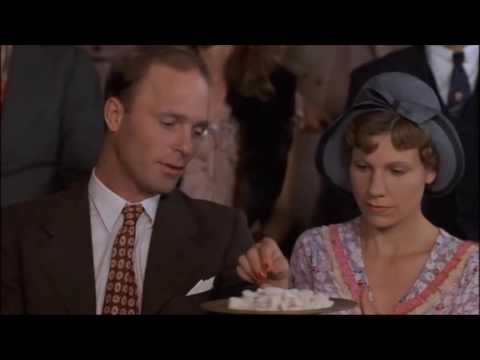
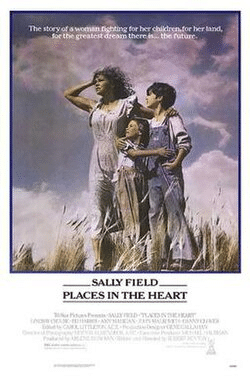
Places in the Heart (1984)
Written and directed by Robert Benton, Places in the Heart (1984) is a deeply moving historical drama set in Depression-era Texas. Following the sudden death of her husband, young widow Edna Spalding fights to save her family farm from bank foreclosure. To survive, she forms an unlikely alliance with Moses, a Black migrant worker possessing essential cotton-farming knowledge, and Mr. Will, a blind boarder. Together, they endure severe economic hardship, a devastating tornado, and racial violence. The film serves as a powerful testament to human resilience and community, culminating in a transcendent, heavenly communion scene of ultimate reconciliation.
Thematic Alignment: Matthew 11:29
The Core Theme: Enduring grace, resilient community, and radical forgiveness can overcome devastating grief, economic hardship, and racial injustice to bring ultimate spiritual reconciliation.
The Communion of the Saints: In the final scene of the film, a small, deeply fractured Depression-era Texas community gathers in a modest church. As the elements of bread and wine are passed down the pews, the camera seamlessly bridges the gap between the living and the dead. The traditional communion tray is passed from those who survived the film’s trials to those who did not—including the young black boy whose accidental actions sparked the narrative’s tragedy, and the Ku Klux Klansman who persecuted the family. They sit side-by-side in white attire, partaking of the elements in a state of absolute, tranquil peace.
Theological Connection: Throughout the narrative, the characters are heavily burdened by the crushing social, economic, and racial “yokes” of their time, as well as the deep grief of sudden loss. The final scene beautifully mirrors the spiritual “rest” promised in Matthew 11:28. By presenting an egalitarian, heavenly banquet where worldly intelligence, societal hierarchies, and bitter grievances are completely dissolved, the film visualizes a community that has finally exchanged its heavy worldly burdens for the gentle, humble, and reconciliatory peace of Christ.
14th Sunday of Year A

Do Nothing for 15 Seconds
Calm App
Matthew 11:25 & 28
The fast-paced, high-decibel commercial break is the modern marketplace’s version of the frantic, noisy world. It bombards the senses with bright graphics, flashing text, and urgent calls to action—a relentless cycle of consumerist striving that mirrors what Jesus refers to in Matthew 11:25 as the domain of the “wise and intelligent.” In this context, human value is dictated by performance, acquisition, and intellectual effort.
The 15-second “silent ad” serves as a profound theological disruption to this matrix. By stripping away product pitches, demonstrations, and intellectual stimulation, it replaces chaos with a rain-covered window or a serene forest. The gentle instruction to breathe in and out acts as a literal, physical manifestation of Christ’s invitation in Matthew 11:28: “Come to me, all you who are weary and burdened, and I will give you rest.”
This interruption subverts the entire economy of self-justification. In a consumerist culture, we are told that our worth is tied to what we produce, buy, or know. The silent ad, however, demands absolutely nothing from the viewer. It does not ask for money, attention to a brand, or intellectual processing. In doing so, it beautifully mimics the gospel mechanics of grace. It provides an unearned, unmerited moment of absolute stillness amidst a sea of noise. The viewer cannot earn this rest; they can only receive it. Ultimately, these brief windows of silence remind a exhausted culture that true rest is found not in running faster on the treadmill of worldly wisdom, but in pausing to receive a peace that the world can neither manufacture nor sustain.
The Anatomy of Rest: The Marketplace vs. The Gospel
Dimension | The Worldly Matrix (Matt 11:25) | The Sabbath Disruption (Matt 11:28) |
The Atmosphere | High-decibel, fast-paced commercial noise | Absolute stillness, a rain-covered window |
The Mandate | Continuous intellectual striving and acquisition | “Take a deep breath… stop working” |
The Currency | Performance, achievement, and self-justification | Unearned grace, unconditional rest |

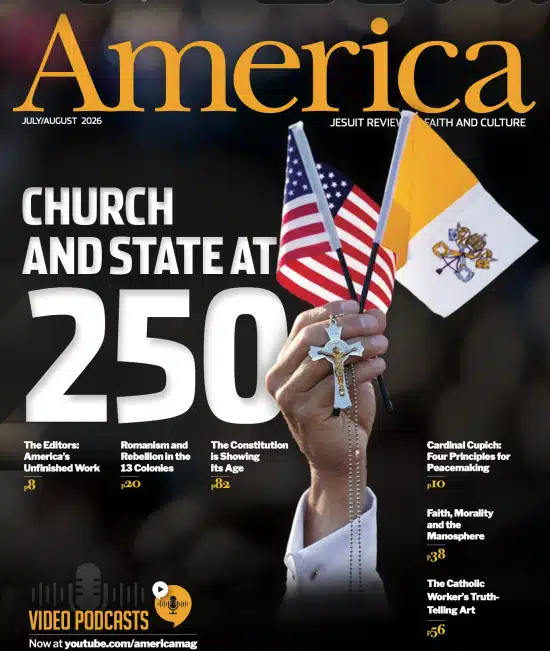
JULY-AUGUST 2026
PDF (84 pages)
America Magazine: Published by the Jesuits, this leading national review is highly regarded for its thoughtful, nuanced commentary on religion, politics, and contemporary culture.

Commonweal: An independent, lay-edited journal of opinion that provides rigorous intellectual perspectives on faith, society, the arts, and public policy.

JULY-AUGUST 2026
PDF (48 pages)
Liguorian is an award-winning Catholic magazine published since 1913 by the Redemptorists to provide spiritual guidance, pastoral messages, and inspiring stories, helping readers navigate modern life through faith. It acts as a trusted resource for Catholic spirituality, offering insights on faith, social justice, and daily Christian living.

U.S. Catholic: This publication focuses on everyday faith, social justice, and practical insights for living out Catholic teachings in modern, daily life.
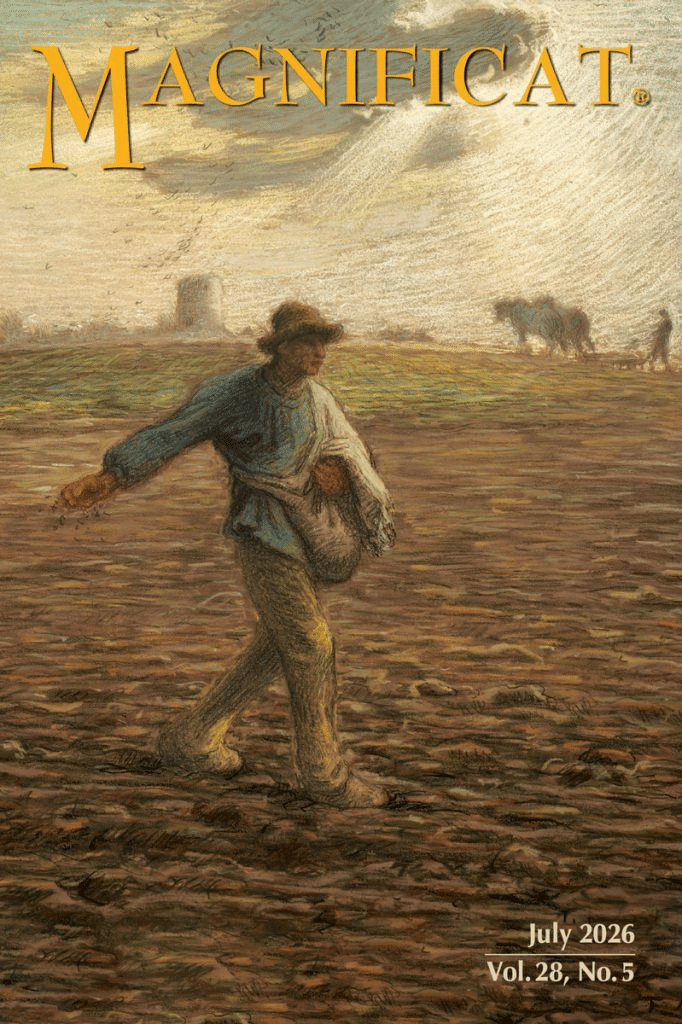
Magnificat: A beautifully designed monthly publication intended for daily use. It includes the texts of the daily Mass, morning and evening prayers, and spiritual reflections. Exploring its Spanish edition, Magnificat en Español, can also be an excellent way to weave language practice into a daily spiritual routine.