JAN 5, 2025


Sunday Papal Homilies
Sunday Papal Homilies
LIVE FROM
VATICAN
This livestream allows viewers to witness the Pope’s addresses during Papal Audiences, as well as other Vatican events and news. The livestream is part of the Vatican Media Center’s efforts to share the latest updates on Pope Francis, the Holy See, and the Church worldwide with a global audience.
TIP: You can rewind the livestream up to twelve hours, allowing you to catch up on any events or addresses you may have missed.


The Dicastery for the Clergy deals with everything that concerns the priests and deacons of the diocesan clergy with regard to their persons, their pastoral ministry and what is necessary for its fruitful exercise. In these matters it offers the Bishops appropriate assistance.

Sign of Contradiction
Epiphany - YEAR C
Jesus Christ, from his birth, is a sign of contradiction for human beings. For some, like the wise men who come from the East (Gospel), or for Paul, coming from the Diaspora, he is the epiphany, a resplendent manifestation of his mystery (second reading); an epiphany which is prefigured in the first reading, according to which all peoples will feel attracted by the light and glory of Jerusalem. For others who live in Jerusalem, the capital of Judaism, and who hold the political (Herod) or religious (priests and teachers of the Law) authority over the Jewish people, Jesus, the Messiah, is nothing but a dangerous rival (for Herod) or a mere object of sacred science, upon which they report with the objectivity of experts (priests, scribes).
P. Antonio Izqeuirdo, L.C., Copyright © Dicastery for the Clergy
Doctrinal Messages
Epiphany - YEAR C
VATICAN
DAILY
BULLETIN
The Vatican Daily Bulletin is the official news source for the Pope’s activities and statements, providing accurate and up-to-date information. Published daily, it keeps the public informed about the Church’s activities and decisions.
Pastoral Suggestions
Epiphany - YEAR C
THE HOLY
FATHER
RELATED LINKS
THIS SUNDAY’S
QUOTES
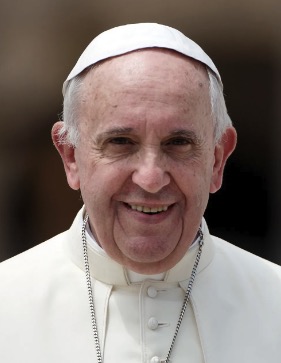
Pope Francis: “The Magi challenge us to respond to the God who calls us to life, to happiness, to the Covenant; to hear him speaking in the soul of every man and woman, and to journey in hope towards the fullness of life to which he calls us.” (January 6, 2023)
Pope Francis: “The Epiphany shows us that God’s salvation is for all peoples and that the light of his love shines on the whole of creation.” (January 6, 2021)
Pope Francis: “The Magi found a king in a manger, poor and helpless, and in this king they found the fullness of God. This is the mystery of Jesus: his poverty is divine wealth.” (January 6, 2020)
Pope Francis: “Like the Magi, let us look up and contemplate the star of Jesus, so that our hearts will be filled with hope and courage. Let us journey towards him, and allow our lives to be guided by his light.” (January 6, 2019)
Pope Francis: “The Magi were not content with just getting by, with keeping things as they were. They were actively seeking the meaning of life. So let us not be content to live a mediocre existence, set on maintaining the status quo. Let us instead seek out the meaning of life.” (January 6, 2017)
Pope Francis: “The star that shone in the sky on the night of Christmas continues to point the way to those who seek the light and hope of faith. The star is a sign of God’s promise to humanity that he will never leave us in darkness.” (January 6, 2015)
Pope Francis
Epiphany - YEAR C

Epiphany’s Light
6 January 2019 | Saint Peter’s Square
- TEXT
- DISCUSSION GUIDE
Today, the Solemnity of the Epiphany of the Lord, is the celebration of the manifestation of Jesus, symbolized by light. In the prophetic texts this light is a promise: light is promised. Isaiah, in fact, addresses Jerusalem with these words: “Arise, shine; for your light has come, and the glory of the Lord has risen upon you” (60:1). The prophet’s invitation — to arise because the light has come — seems surprising, because it occurs in the aftermath of the harsh exile and of the numerous oppressions that the people have experienced.
Today this invitation also resonates for us, who have celebrated the Birth of Jesus, and it encourages us to allow ourselves to be reached by the light of Bethlehem. We too are invited not to stop at the outward signs of the event, but to set out from it once again and to undertake anew the experience of our journey as men and women, and as believers.
The light that the Prophet Isaiah had foretold, is present and encountered in the Gospel. And Jesus, born in Bethlehem, the City of David, has come to bring salvation to those near and far: to everyone. Matthew the Evangelist reveals various ways by which one can encounter Christ and react to his presence. For example, Herod and the scribes of Jerusalem have a hard heart, which obstinately refuses the visit of that Child. This is one possibility: to be closed to the light. They represent those who, even in our day, fear Jesus’ coming and close their heart to brothers and sisters who need help. Herod is afraid of losing power and does not consider the true good of the people, but rather his own personal advantage. The scribes and the chief priests of the people are afraid because they do not know how to look beyond their own certainties; they are thus unable to understand the newness that is in Jesus.
Instead, the experience of the Magi is quite different (cf. Mt 2:1-12). Having come from the East, they represent all the faraway peoples of the traditional Hebrew faith. Yet they allow themselves to be guided by the star and face a long and perilous journey just to arrive at the destination and to know the truth of the Messiah. The Magi were open to ‘novelty’, and history’s greatest and most surprising novelty is revealed to them: God-made-man. The Magi prostrate themselves before Jesus and offer him symbolic gifts: gold, incense and myrrh, because seeking the Lord entails not only perseverance on the journey but also generosity of heart. And lastly, they returned “to their own country” (v. 12); and the Gospel states that they returned “by another road”. Brothers and sisters, each time that a man or woman encounters Jesus, he or she changes paths, returns to life in a different way, returns renewed, “by another road”. They returned “to their own country”, bearing within them the mystery of that humble and poor King; we can imagine that they told everyone about the experience they had had: the salvation offered by God in Christ is for all mankind, near and far. It is not possible to “take possession” of that Child: he is a gift for all.
Let us also have a bit of silence in our heart and allow ourselves to be illuminated by the light of Jesus that comes from Bethlehem. Let us not allow our fears to close our hearts, but let us have the courage to open ourselves to this light that is meek and delicate. Then, like the Magi, we will feel “great joy” (v. 10) that we will be unable to keep to ourselves. May the Virgin Mary — star who guides us to Jesus and Mother who shows Jesus to the Magi and to all those who approach her — support us on this journey.
Introduction
The Holy Father’s homily on the Solemnity of the Epiphany of the Lord focuses on the manifestation of Jesus as a symbol of light and explores different human responses to this revelation. This discussion guide will help delve deeper into the themes presented and facilitate meaningful conversations about the text.
Section 1: Light as a Promise and Invitation
1. Discussion Question: How does the light, as described in Isaiah’s prophecy, represent a promise to the Israelites, and what relevance does it have for us today?
2. Reflection: Consider the context of Isaiah’s message following the exile and oppression. Why is the invitation to “arise” significant?
3. Action: Reflect on personal or collective experiences where you have felt invited to embrace light or hope in challenging times.
Section 2: Encountering Jesus in the Gospel
1. Discussion Question: How does the sermon describe the different reactions to Jesus in the Gospel? What do Herod and the scribes’ responses teach us about fear and self-interest?
2. Reflection: Identify modern parallels to Herod’s fear of losing power and the scribes’ inability to look beyond their certainties. How can these insights help in addressing personal or societal fears?
3. Action: Discuss ways of opening our hearts to others in need, overcoming the self-serving tendencies depicted by Herod and the scribes.
Section 3: The Journey of the Magi
1. Discussion Question: What qualities of the Magi’s journey and response to Jesus can we incorporate into our own spiritual journeys?
2. Reflection: Consider the significance of the gifts the Magi brought. What do these symbolize in the context of seeking and finding Jesus?
3. Action: Reflect on a “journey” or experience in your life that required perseverance and openness. How did this encounter change you?
Section 4: Transformation and Renewal
1. Discussion Question: What does it mean to “return by another road” after encountering Jesus, as the Magi did?
2. Reflection: Reflect on how an encounter with belief or a transformative experience might have altered your path in life.
3. Action: Share experiences within the group where an encounter with faith or a key life event led to a significant change in perspective or lifestyle.
Section 5: Embracing the Light with Courage
1. Discussion Question: How can we cultivate the courage to open our hearts to the light of Jesus amid fears and uncertainties?
2. Reflection: Find parallels in your life where embracing light or hope has resulted in joy and transformation.
3. Action: Conclude by discussing how you can actively “share the great joy” of encountering Jesus with others in your community. Reflect on the role of the Virgin Mary as a guiding star in this journey.
Conclusion
Encourage group members to reflect silently on how they can be more open to the light of Jesus in their lives and support one another in this pursuit. The aim is to foster a commitment to openness, courage, and sharing the transformative joy of faith.
THIS SUNDAY’S
QUOTES
Pope Benedict XVI: “The Epiphany is a mystery of light, symbolized by the star which guided the Magi to the stable of Bethlehem. But the light that shines from the Christmas star is not just any light: it represents the very light of God which illuminates the whole world.” (2006)
Pope Benedict XVI: “The Magi set out because they desired God, they sought him in the great and marvellous things that the cosmos holds, and they followed the star that led them to the very place where the new King of the universe was born.” (2008)
Pope Benedict XVI: “The experience of the Magi, represented in the liturgy by the evocative symbol of the star, teaches us that faith is not a possession, but a journey of discovery. It is not a private matter, but a pilgrimage within the community of the Church.” (2011)
Pope Benedict XVI: “The Magi were attentive to God’s signs; they were open to God’s Word, and they tirelessly sought the light of truth. In their search, they were not satisfied with lesser goals or partial truths. They sought the truth itself, the ultimate and definitive truth that gives meaning to life.” (2012)
Pope Benedict XVI: “The light of Bethlehem has never been extinguished. It shines still and leads the way for those who, like the Magi, journey in search of Truth, in search of God.” (2013)
Pope Benedict XVI: “The Magi had the courage to set out on a journey in the hope of finding something new and of being guided by a star which they believed pointed to the King of the Jews, the Messiah-King. For us too, the journey of faith is not easy. It requires trust, the ability to listen, and openness to mystery.” (2009)
Pope Benedict XVI
Epiphany - YEAR C

The Magi
6 January 2010 | Saint Peter’s Square
- TEXT
- DISCUSSION GUIDE
Today we are celebrating the great feast of the Epiphany, the mystery of the Lord’s Manifestation to all the peoples, represented by the Magi who came from the East to worship the King of the Jews (cf. Mt 2: 1-2). St Matthew, who recounts the event, stresses that they arrived in Jerusalem following a star that they had seen rising and interpreted as a sign of the birth of the King proclaimed by the Prophets, in other words the Messiah. However, having arrived in Jerusalem, the Magi needed the priests and scribes to direct them in order to know exactly where to go, namely, Bethlehem, the city of David (cf. Mt 2: 5-6; Mic 5: 1). On their journey, the star and the Sacred Scriptures were the two lights that guided the Magi, who appear to us as models of authentic seekers of the truth.
They were Wise Men who scrutinized the stars and knew the history of the peoples. They were men of science in the broad sense, who observed the cosmos, considering it almost as a great open book full of divine signs and messages for human beings. Their knowledge, therefore, far from claiming to be self-sufficient, was open to further divine revelations and calls. In fact, they were not ashamed to ask the religious leaders of the Jews for directions. They could have said: “we will do it on our own, we do not need anyone”, thereby avoiding, according to our mentality today, all “contamination” between science and the word of God. Instead, the Magi listened to the prophecies and accepted them; and, no sooner had they continued on their way towards Bethlehem than they saw the star again, as if to confirm the perfect harmony between human seeking and the divine Truth, a harmony that filled the hearts of these genuine Wise Men with joy (cf. Mt 2: 10). The culmination of their quest was the moment when they found themselves before “the Child with Mary his Mother” (Mt 2: 11). The Gospel says that they “fell down and worshipped him”. They might have been disappointed, or even shocked. Instead, as the true Wise Men that they were, they were open to the mystery that had manifested itself in a surprising manner and, with their symbolic gifts, they showed that they recognized Jesus as the King and Son of God. Precisely in that gesture were fulfilled the messianic oracles that proclaimed the homage of nations to the God of Israel.
A final detail confirms the unity in the Magi of intelligence and faith: it is the fact that “being warned in a dream not to return to Herod, they departed to their own country by another way” (Mt 2: 12). It would have been natural to return to Jerusalem, to Herod’s Palace and to the Temple to spread the news of their discovery. Instead, the Magi, who had chosen the Child as their Sovereign, kept this hidden, in accordance with Mary’s, or rather with God’s own style. And thus just as they had appeared they disappeared in silence, content but also transformed by their meeting with the Truth. They had discovered a new Face of God, a new kingship: that of love. May the Virgin Mary, model of true wisdom, help us to be authentic seekers of God’s truth, ever capable of living the profound harmony that exists between reason and faith, science and revelation.
Key Themes and Questions
The Magi as Seekers of Truth
1. What motivated the Magi to embark on their journey? Discuss their role as models of authentic seekers of truth.
2. How did the Magi balance their knowledge of science with openness to divine revelation?
3. Reflect on the concept of guidance in the Magi’s journey. What were the two guiding “lights” for the Magi?
Integration of Knowledge and Faith
1. Why did the Magi seek the help of the Jewish religious leaders, even though they had their own scientific knowledge?
2. Discuss the significance of the Magi’s acceptance of the prophecies and how it reflects the harmony between human inquiry and divine truth.
Recognition of Jesus’ Divinity
1. How did the Magi’s response when they encountered Jesus reflect their wisdom and openness to mystery?
2. What is the symbolism behind their gifts, and how does it fulfill messianic prophecies?
Transformation and Obedience
1. What does the decision of the Magi to return by another route signify about their encounter with Jesus?
2. How were the Magi transformed by their meeting with Jesus, and what implications does this have for us as seekers of truth today?
Application
– Reflect on personal experiences of seeking truth. How can individuals today balance reason and faith in their own spiritual journeys?
– Discuss ways to remain open to divine revelations in contemporary life, drawing parallels between the Magi’s journey and modern spiritual practices.
Concluding Reflection
– Discuss the role of the Virgin Mary as a model of true wisdom. How can she inspire us to be seekers of God’s truth?
– Consider the theme of love as a new form of kingship revealed through Jesus. How does this transform our understanding and practice of faith?
Prayer and Commitment
– End with a group prayer asking for guidance in becoming authentic seekers of God’s truth, embracing both reason and faith.
– Encourage participants to commit to exploring the harmony between science and revelation in their daily lives.